
If you’ve been around the AI space long enough, you’ve probably noticed something frustrating: everyone talks about “AI,” but very few people explain which AI actually matters and how to use it without wasting time or money.
That’s exactly where 15 AI comes in.
This guide isn’t theory. It isn’t hype. And it definitely isn’t a recycled list of tools copied from product launch pages. It’s a grounded, experience-driven breakdown of 15 AI systems and use cases that consistently deliver real-world results—for creators, businesses, developers, marketers, founders, and everyday professionals.
I’ve tested most of these tools in production environments, client projects, and internal workflows. Some are powerful. Some are overrated. Some quietly outperform everything else when used correctly.
This article is written for:
- People overwhelmed by AI noise
- Professionals who want leverage, not novelty
- Founders and teams looking to automate intelligently
- Anyone who wants AI to save time, reduce friction, or increase output
By the end, you’ll know:
- What “15 AI” really means in practical terms
- Where each AI fits in real workflows
- Which tools are worth paying for (and which aren’t)
- How to avoid the most common AI mistakes
No fluff. No filler. Just hard-earned clarity.
What “15 AI” Actually Means (And Why Most People Misunderstand It)
At first glance, “15 AI” sounds vague—almost like a buzzword. But in practice, it represents something very specific: a curated ecosystem of 15 AI capabilities that cover 90% of real-world needs.
Not 15 random apps.
Not 15 trending startups.
But 15 functional categories of AI that consistently solve problems.
Think of it like a professional toolkit.
A carpenter doesn’t carry 200 tools. They carry the 15 that matter—and know exactly when to use each one.
That’s the philosophy behind 15 AI.
These categories typically include:
- Language intelligence
- Visual generation
- Audio and voice synthesis
- Automation and agents
- Data analysis
- Coding assistance
- Research and summarization
- Marketing optimization
- Customer support
- Workflow orchestration
Most people fail with AI because they chase tools instead of capabilities.
When you understand 15 AI as capability layers, everything clicks:
- You stop tool-hopping
- You build stable workflows
- You compound results over time
This guide bridges beginners to advanced users by showing not just what these AIs do—but why they matter in real situations.
The 15 AI Capabilities That Actually Matter in the Real World


Below is a practical breakdown of the 15 AI capability pillars that consistently deliver ROI.
1. Conversational & Language AI
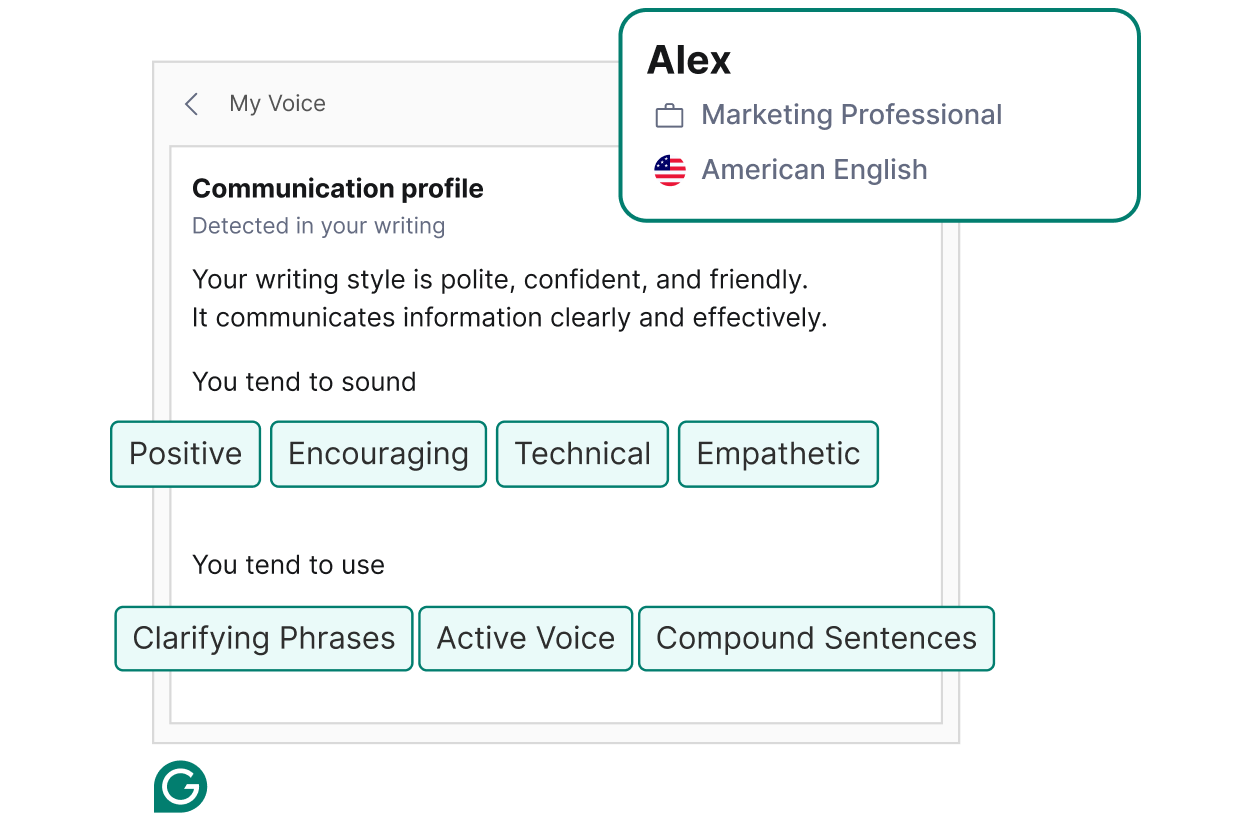
This is where most people start—and for good reason. Language AI powers writing, summarization, ideation, customer responses, and internal documentation.
Used correctly, it replaces:
- First drafts
- Repetitive writing
- Knowledge base lookups
Used incorrectly, it produces generic nonsense.
2. Visual Generation AI
From thumbnails to product mockups to concept art, image AI saves design hours—but only if guided properly.
The real power is iteration speed, not final perfection.
3. Voice & Audio AI
Voice cloning, narration, and transcription are now reliable enough for production use—especially in podcasts, training, and accessibility workflows.
4. Video Intelligence AI
This includes video editing, captioning, summarization, and scene extraction—hugely valuable for content teams.
5. Coding & Development AI
AI doesn’t replace developers. It replaces:
- Boilerplate
- Debugging friction
- Documentation searches
That alone saves hours per week.
6. Data Analysis & Insight AI
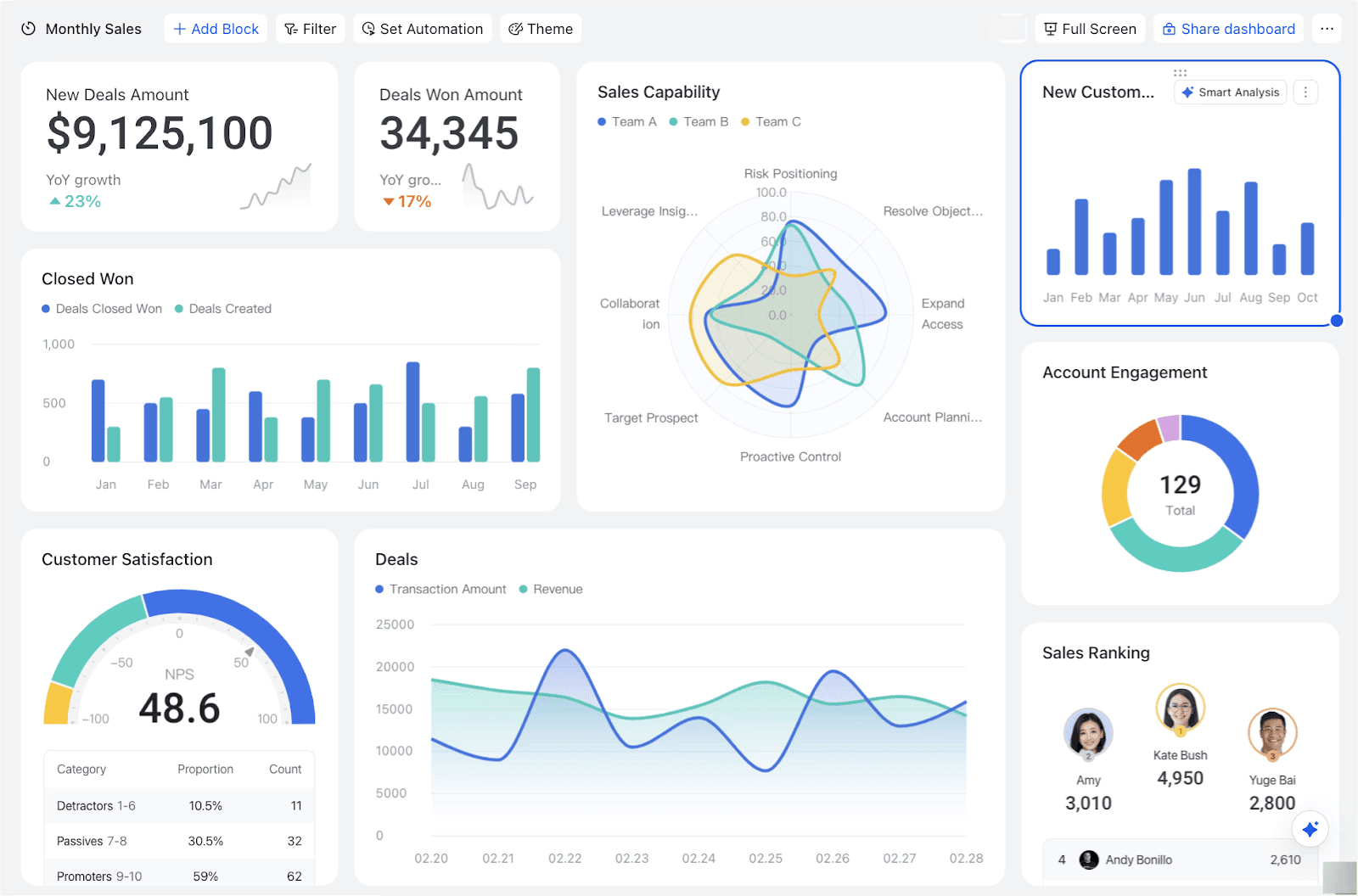
Turning raw spreadsheets into insights is one of AI’s most underrated strengths—especially for non-technical teams.
7. Research & Knowledge Mining AI
AI shines when you give it structured questions, not vague prompts.
8. Automation & AI Agents
This is where AI becomes a force multiplier—connecting tools, triggering actions, and running workflows without supervision.
9. Marketing Optimization AI
From ad copy testing to SEO analysis, AI accelerates experimentation.
10. Sales Enablement AI
Used well, AI shortens sales cycles by handling prep, follow-ups, and qualification.
11. Customer Support AI
AI doesn’t replace humans here—it filters noise so humans focus on real issues.
12. E-commerce AI
Product descriptions, inventory insights, pricing optimization—quiet but powerful.
13. Security & Risk AI
Threat detection, anomaly spotting, and fraud prevention now rely heavily on AI.
14. Education & Learning AI
Personalized learning paths outperform generic courses when paired with human judgment.
15. Decision Support AI
The highest level: AI that helps leaders think clearer, not faster.
Benefits & Real-World Use Cases of 15 AI (Before vs After)


Before 15 AI
- Manual work everywhere
- Slow content production
- Repetitive decision-making
- Fragmented tools
- Burnout disguised as “hustle”
After 15 AI
- Clear division between human judgment and machine execution
- Faster output without quality loss
- Fewer tools, better workflows
- Predictable results
- More strategic thinking time
Who benefits most?
- Content creators managing scale
- SaaS teams and startups
- Agencies juggling clients
- Solopreneurs wearing too many hats
- Enterprises modernizing operations
The biggest win isn’t speed—it’s mental bandwidth.
A Step-by-Step Practical Guide to Implementing 15 AI

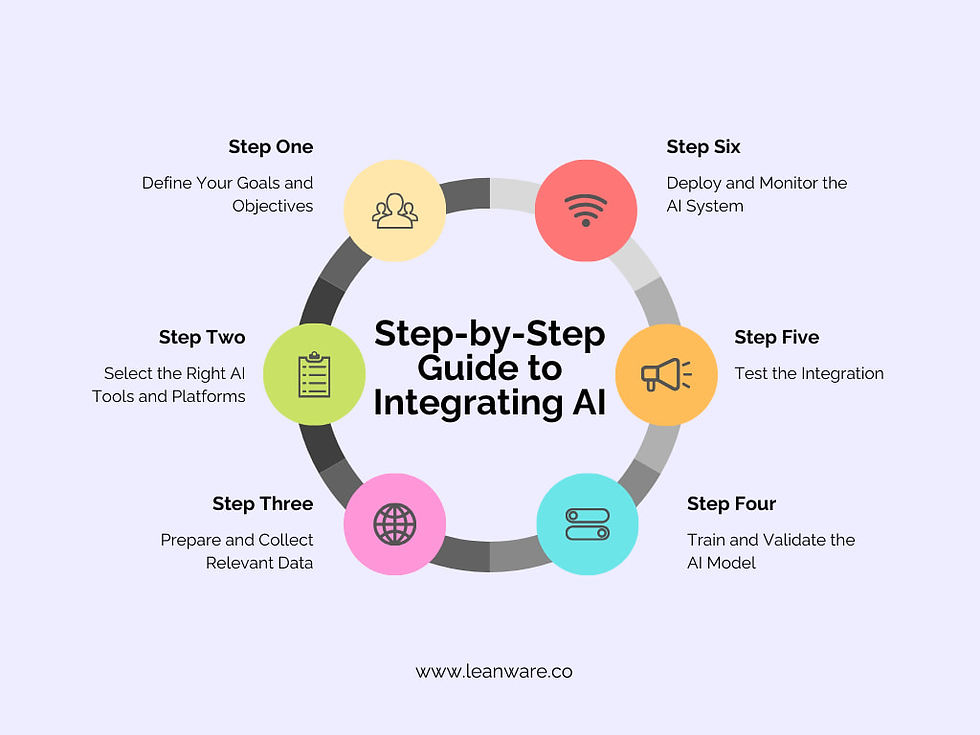
Step 1: Map Your Friction
List everything that feels repetitive, slow, or mentally draining.
Step 2: Match Friction to AI Capability
Don’t ask “Which tool?”
Ask “Which capability solves this?”
Step 3: Start Narrow
One workflow. One outcome. One measurable win.
Step 4: Build Guardrails
Define where AI stops and humans decide.
Step 5: Iterate Weekly
AI workflows improve with small tweaks—not big overhauls.
Pro Tip:
If AI doesn’t save time in week one, your prompt or process is wrong—not the technology.
Tools, Comparisons & Expert Recommendations
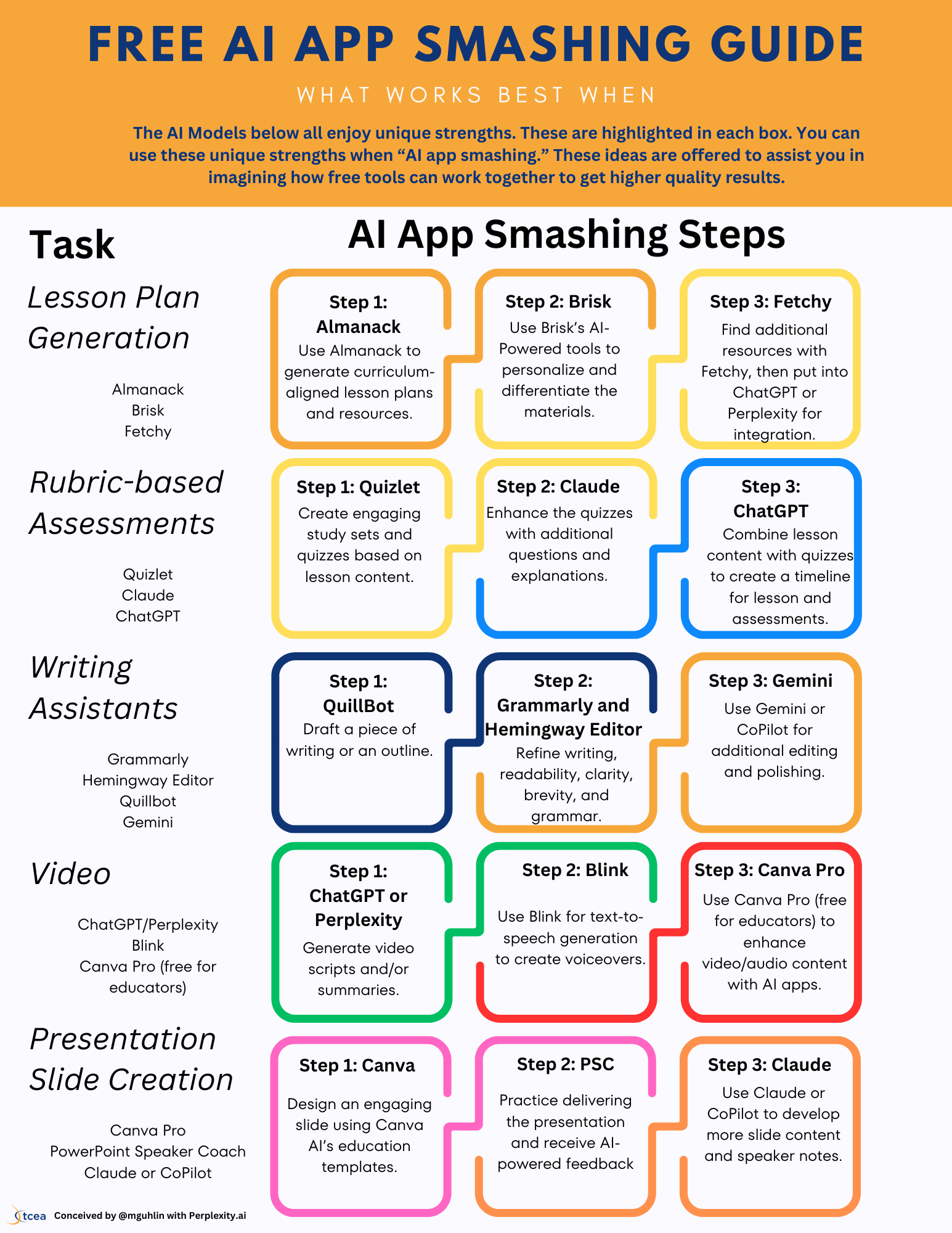

Free vs Paid AI
Free tools are great for:
- Learning
- Experimentation
- Low-risk tasks
Paid tools are worth it when:
- Reliability matters
- Output is customer-facing
- Time savings justify cost
Beginner vs Advanced
Beginners should prioritize:
- Simplicity
- Clear UI
- Strong defaults
Advanced users benefit from:
- APIs
- Custom workflows
- Agent-based systems
Expert Reality Check
Most professionals only need 5–7 AI tools—but they need to understand all 15 AI capabilities.
That distinction matters.
Common Mistakes People Make With 15 AI (And How to Fix Them)


Mistake 1: Tool Hoarding
Fix: Master fewer tools, deeper.
Mistake 2: Expecting Magic
Fix: Treat AI like an intern—clear instructions matter.
Mistake 3: No Human Review
Fix: AI drafts, humans decide.
Mistake 4: Ignoring Data Quality
Fix: Garbage in still means garbage out.
Mistake 5: Chasing Trends
Fix: Focus on outcomes, not hype cycles.
Conclusion: Why 15 AI Is About Leverage, Not Technology
The real promise of 15 AI isn’t automation—it’s clarity.
Clarity about:
- What deserves your attention
- What can be delegated
- Where humans still matter most
When used intentionally, 15 AI doesn’t replace you.
It removes friction between your ideas and execution.
Start small. Stay focused. Let AI handle the repeatable so you can do the meaningful.
That’s how real leverage is built.
FAQs
What does 15 AI actually refer to?
It represents 15 core AI capability categories, not just tools.
Is 15 AI suitable for beginners?
Yes—when approached gradually and intentionally.
Do I need coding skills for 15 AI?
No, but technical literacy helps.
Is 15 AI expensive?
Only if misused. Most value comes from workflow design, not subscriptions.
Can 15 AI replace jobs?
It replaces tasks, not judgment.

Adrian Cole is a technology researcher and AI content specialist with more than seven years of experience studying automation, machine learning models, and digital innovation. He has worked with multiple tech startups as a consultant, helping them adopt smarter tools and build data-driven systems. Adrian writes simple, clear, and practical explanations of complex tech topics so readers can easily understand the future of AI.