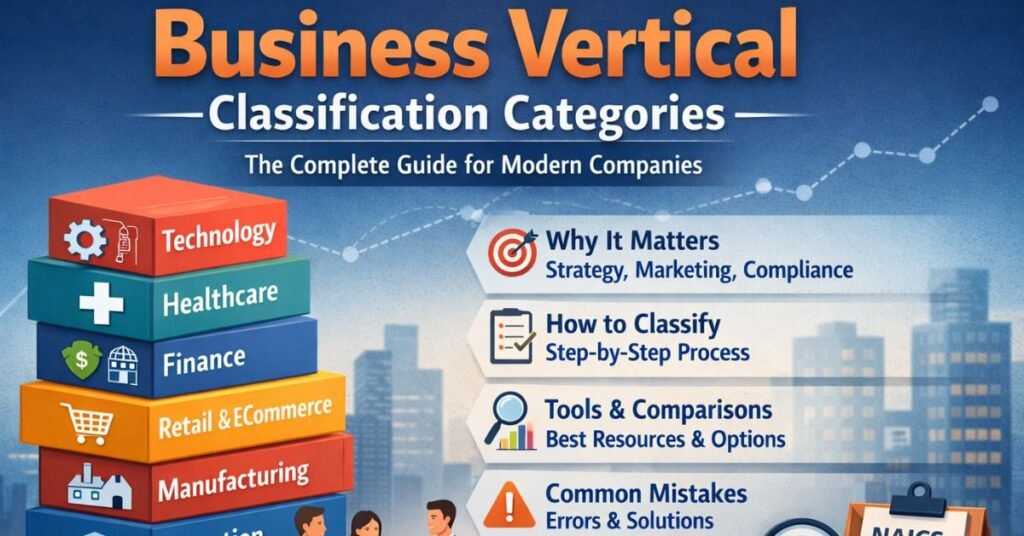
Introduction
If you have ever tried to describe what your business really does in one clear sentence, you already understand why business vertical classification categories matter more than most people realize. Imagine pitching to an investor, onboarding a new marketing agency, filling out a government form, or even setting up analytics in Google or Meta. Almost immediately, someone asks: “What industry are you in?”
That simple question hides a surprisingly complex problem.
Businesses today rarely fit neatly into one box. A fintech startup might look like a software company, behave like a financial institution, and market itself like a consumer brand. An eCommerce brand could also be a logistics company, a media publisher, and a data company at the same time. Without a clear system of business vertical classification categories, things fall apart quickly: targeting becomes vague, benchmarks become misleading, compliance gets risky, and growth decisions are made on shaky assumptions.
This guide exists to fix that.
By the end of this article, you will understand what business vertical classification categories are, how they are structured, why they matter in the real world, and exactly how to classify your own business correctly. We will walk through benefits, step-by-step methods, tools, comparisons, common mistakes, and practical examples from actual business scenarios. Whether you are a founder, marketer, analyst, SEO professional, consultant, or enterprise strategist, this is designed to be a reference you can actually use, not just skim.
Topic Explanation: What Are Business Vertical Classification Categories?
At its core, business vertical classification categories are structured ways of grouping businesses based on the primary economic activity they perform. Think of them as the organizing system of the business world, similar to how libraries classify books or how supermarkets organize aisles.
A helpful analogy is a shopping mall. Every store sells something, but they are grouped into verticals like fashion, electronics, food, or entertainment. Inside fashion, you have subcategories like luxury, fast fashion, sportswear, or accessories. Business vertical classification works the same way, just with more formal definitions and broader economic purpose.
A “business vertical” refers to a specific industry or market segment, such as healthcare, finance, education, manufacturing, or retail. Classification categories go further by defining levels:
- Broad sectors (for example, Technology or Healthcare)
- Industry groups (such as Software or Medical Devices)
- Sub-industries (like SaaS, FinTech software, or diagnostic equipment)
- Specialized niches (B2B SaaS for hospitals, telemedicine platforms, etc.)
These categories are not just theoretical. Governments use them to measure economic output. Investors use them to compare performance. Marketing platforms use them to approve ads. Search engines use them to understand relevance. When businesses skip this structure or choose the wrong category, the ripple effects show up everywhere from compliance delays to poor conversion rates.
The key idea to remember is this: business vertical classification categories are about what value you primarily create, not every activity you touch.
Why Business Vertical Classification Categories Matter More Than Ever
Twenty years ago, a company could say “we’re a manufacturing firm” and that was enough. Today, digital transformation, platform-based models, and hybrid services have blurred boundaries across industries. This makes accurate classification more important, not less.
From a strategic standpoint, classification influences who you compete with, how customers perceive you, and which benchmarks you compare yourself against. A SaaS company benchmarking itself against generic “IT services” firms will make terrible pricing and growth decisions. Likewise, a healthcare startup incorrectly labeled as general technology may face regulatory surprises later.
There is also a trust element. Partners, investors, regulators, and customers rely on consistent classification to understand risk and relevance. When your classification aligns with your real-world operations, conversations become faster and decisions smoother.
On a practical level, accurate business vertical classification categories directly affect:
- Ad account approvals and targeting options
- SEO topical authority and content relevance
- Funding eligibility and investor interest
- Compliance, licensing, and reporting requirements
- Market research accuracy and forecasting
In short, classification is not paperwork. It is infrastructure.
Core Business Vertical Classification Categories Explained
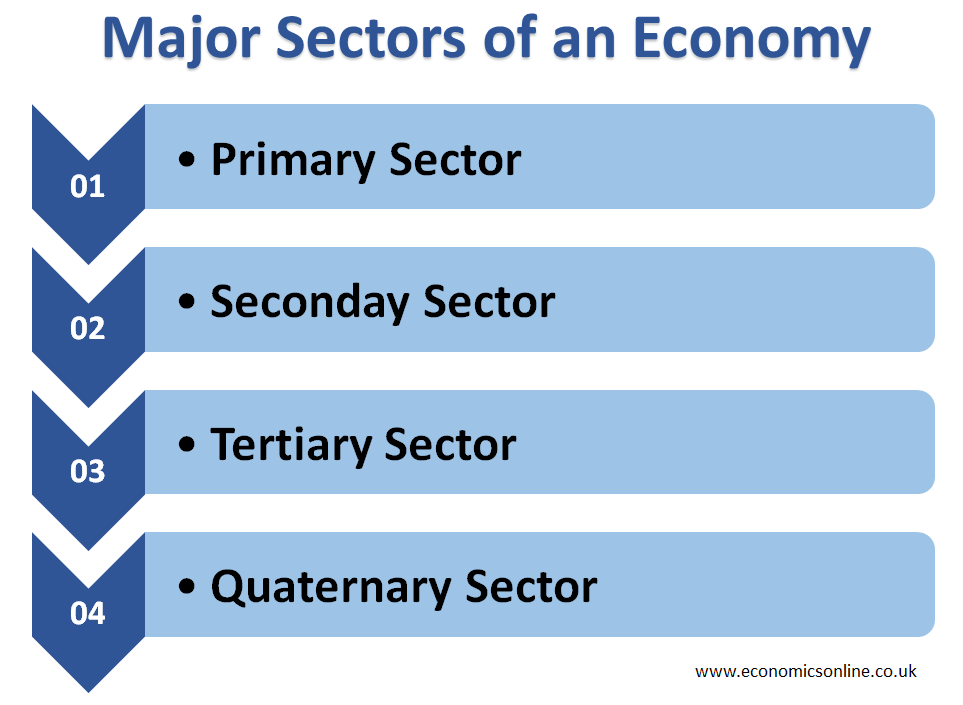

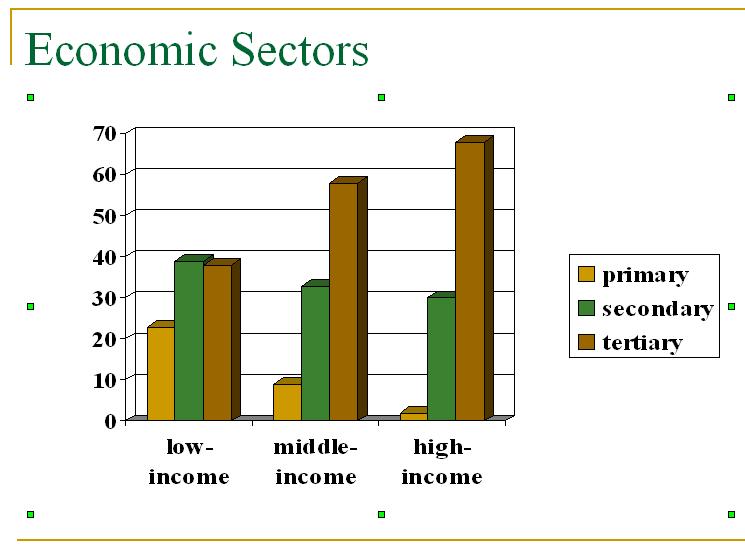
While different frameworks exist, most business vertical classification categories fall into a familiar set of core sectors. Understanding these helps you place your business correctly before drilling down further.
The technology vertical includes software development, IT services, cloud infrastructure, cybersecurity, artificial intelligence, and data analytics. Businesses here primarily create digital products or services. A common mistake is lumping all online businesses into technology, even when tech is only an enabler, not the core value.
Healthcare includes providers, pharmaceuticals, biotechnology, medical devices, diagnostics, and healthtech platforms. The defining factor is whether the business directly impacts patient care, health outcomes, or medical systems.
Finance covers banking, insurance, investment management, payments, lending, and financial technology. If your business touches money flow, risk management, or financial decision-making, this vertical likely applies.
Retail and eCommerce focus on selling physical or digital goods directly to consumers. Wholesale, direct-to-consumer, marketplaces, and omnichannel brands all sit here, even if they rely heavily on technology.
Manufacturing involves transforming raw materials into finished goods. This includes everything from electronics to food processing to industrial equipment.
Education includes schools, universities, online learning platforms, corporate training, and edtech products, where the primary value is knowledge transfer.
Professional services cover consulting, legal, accounting, marketing agencies, and advisory services, where expertise is the product.
Media and entertainment include publishing, streaming, gaming, advertising, and content creation platforms.
Logistics and transportation include shipping, warehousing, supply chain management, and mobility services.
Each of these broad categories can be broken down further, which is where most classification challenges—and opportunities—appear.
Benefits & Use Cases of Business Vertical Classification Categories
When used correctly, business vertical classification categories unlock clarity across the entire organization. One of the biggest benefits is strategic focus. When leadership aligns on what vertical they are truly in, product roadmaps, hiring plans, and partnerships become easier to prioritize.
For marketing teams, classification drives better targeting and messaging. Knowing your exact vertical helps you speak your audience’s language, choose the right channels, and benchmark performance against the right competitors. A B2B SaaS company targeting healthcare providers should not copy marketing tactics from consumer apps, even if both are “tech.”
Investors and analysts rely heavily on vertical classification for valuation and comparison. Revenue multiples, growth expectations, and risk profiles vary dramatically by vertical. Being misclassified can undervalue your business or attract the wrong type of investor.
Operationally, classification helps with compliance and regulation. Industries like healthcare, finance, and education come with strict rules. Correct classification ensures you follow the right standards from the start rather than fixing issues later under pressure.
Real-world scenarios where classification matters include:
- A startup choosing the correct industry code for tax and reporting
- An advertiser selecting vertical-based ad restrictions and approvals
- A consultant benchmarking client performance accurately
- An SEO team building topical authority within a defined industry
- A SaaS platform positioning itself for acquisition
In every case, the right classification reduces friction and increases confidence.
Step-by-Step Guide to Classifying a Business Correctly
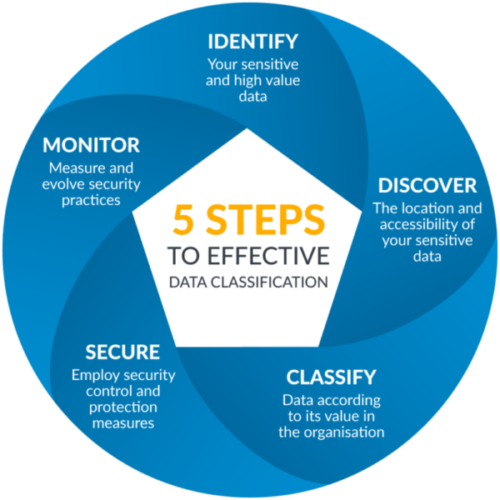
Step one is to identify your primary revenue driver. Ask a brutally honest question: if everything else disappeared, what activity would still generate most of your revenue? That activity defines your core vertical.
Step two is to identify your primary customer type. Are you serving consumers, businesses, governments, or institutions? Two companies selling similar products may belong to different verticals depending on who they serve.
Step three is to analyze value creation, not tools. Using software does not make you a technology company. Using AI does not automatically place you in artificial intelligence. The question is whether technology itself is what customers pay for.
Step four is to map yourself against established frameworks such as NAICS, SIC, or industry taxonomies used by major platforms. Even if you do not use them officially, they provide clarity and consistency.
Step five is to choose one primary vertical and one or two secondary descriptors. Avoid the temptation to list everything. Precision beats breadth.
Best practices include documenting your reasoning, revisiting classification annually, and aligning internal teams on the chosen category. This avoids confusion when marketing, sales, finance, and compliance interpret the business differently.
Tools, Comparisons & Recommendations
Several tools and frameworks help businesses define and validate their classification. Government frameworks like NAICS and SIC offer standardized categories used for reporting and compliance. They are free, widely recognized, and useful for official purposes, though sometimes slow to reflect modern digital models.
Commercial databases and market research platforms provide more granular, up-to-date vertical definitions. These are especially useful for competitive analysis and investor reporting. The trade-off is cost and occasional over-complexity.
Marketing and advertising platforms also offer their own vertical taxonomies. While not universal, they matter for ad approvals, targeting, and content policies. Aligning your internal classification with these systems reduces friction.
For most businesses, the best approach is a hybrid one:
- Use government classifications for compliance
- Use market research frameworks for strategy
- Use platform-specific categories for execution
Free options are ideal for early-stage companies, while paid tools become valuable as complexity and scale increase.
Common Mistakes & How to Fix Them
One of the most common mistakes is over-classifying. Businesses often try to fit into multiple primary verticals, which dilutes clarity. The fix is to choose one core category and treat others as supporting roles.
Another frequent error is following trends instead of reality. Labeling a business as “AI-powered” or “Web3” may sound impressive, but if customers are not paying specifically for that, the classification will cause confusion. The solution is to ground classification in revenue and customer perception.
Many companies also fail to update their classification as they evolve. A startup may begin as a service provider and later become a product company. Without revisiting classification, strategy and reporting lag behind reality.
Finally, teams often confuse internal structure with external classification. How you organize departments does not necessarily reflect how the market sees you. External perception should guide classification decisions.
Conclusion
Business vertical classification categories are not academic labels or boring administrative tasks. They are a strategic foundation that shapes how your business is understood, evaluated, and scaled. When done well, classification brings clarity to strategy, confidence to decision-making, and consistency across marketing, finance, and operations.
The most successful businesses treat classification as a living framework, not a one-time choice. They revisit it as products evolve, markets shift, and revenue models change. If you take the time to classify your business accurately and intentionally, everything else becomes easier to align.
If you have never documented your business vertical classification categories before, now is the time. Start simple, stay honest, and build from there.
FAQs
What are business vertical classification categories?
They are structured systems used to group businesses based on their primary economic activity, industry, and value creation.
Why are business vertical classification categories important?
They influence strategy, marketing, compliance, benchmarking, and how stakeholders understand your business.
Can a business belong to more than one vertical?
A business can have secondary descriptors, but it should always have one primary vertical based on revenue and value.
How often should classification be reviewed?
At least once a year or whenever there is a major shift in products, customers, or revenue model.
Are government classifications enough for modern businesses?
They are essential for compliance but should be supplemented with market-based frameworks for strategy.

Michael Grant is a business writer with professional experience in small-business consulting and online entrepreneurship. Over the past decade, he has helped brands improve their digital strategy, customer engagement, and revenue planning. Michael simplifies business concepts and gives readers practical insights they can use immediately.