

Introduction
Think about the last time you met a business professional who instantly earned your trust. Maybe it was a calm manager who handled chaos without raising their voice, a consultant who explained complex ideas in plain language, or a colleague whose emails were so clear they saved everyone time. That feeling you had—confidence, respect, ease—that’s the quiet power of true professionalism at work.
Being a business professional today has very little to do with stiff suits, corporate jargon, or pretending to have all the answers. In fact, some of the most effective professionals I’ve worked with wear sneakers, work remotely, and openly admit when they’re still figuring things out. What they share is something deeper: judgment, reliability, emotional intelligence, and the ability to create value for others.
This topic matters more than ever. Work has gone global. Careers are less linear. First impressions now happen on Zoom, Slack, LinkedIn, and email—often before you ever meet someone in person. Whether you’re a student, freelancer, manager, founder, or mid-career professional trying to stay relevant, understanding what it truly means to be a business professional can quietly transform your opportunities.
In this guide, we’ll break the idea down from the ground up. You’ll learn what defines a modern business professional, how it shows up in real life, where people go wrong, and exactly how to build this skill set step by step—without faking it or losing your personality.
Understanding the Meaning of a Business Professional
At its core, a business professional is someone who consistently brings competence, credibility, and consideration into their work interactions. That sounds abstract, so let’s make it concrete.
Imagine professionalism like a well-run restaurant. The decor matters, but it’s not the point. What keeps customers coming back is that the food is good, orders are accurate, the staff communicates clearly, and problems are handled gracefully. In business, professionalism works the same way. It’s not about appearances alone—it’s about outcomes and how people feel working with you.
A business professional understands context. They know when to be formal and when to be human. They adapt their communication depending on who’s in the room. They don’t overshare, but they’re not robotic. They respect time, boundaries, and expectations—both their own and others’.
Crucially, professionalism is not a personality trait you’re born with. It’s a set of learned behaviors. You can be introverted or extroverted, creative or analytical, young or experienced, and still show up as highly professional. The difference lies in awareness and intention.
In today’s world, the definition has expanded. A modern business professional is expected to:
- Communicate clearly across cultures and channels
- Handle feedback without defensiveness
- Take responsibility instead of making excuses
- Balance confidence with humility
- Deliver results, not just effort
This is why professionalism is often noticed most when it’s missing. Missed deadlines, vague emails, emotional outbursts, or ghosting after meetings don’t just hurt performance—they quietly erode trust. On the flip side, consistent professionalism compounds over time, opening doors you didn’t even know were available.



4
Why Being a Business Professional Matters More Than Ever
There was a time when professionalism was enforced by hierarchy. Titles, offices, and dress codes did a lot of the signaling for you. Today, those signals are weaker. What replaces them is behavior.
In a remote-first, fast-moving economy, people make decisions quickly. They decide who to trust, who to promote, who to recommend, and who to work with again based on small cues. A well-written follow-up email. A meeting that starts and ends on time. A calm response under pressure. These details matter more than flashy credentials.
One reason being a business professional is so valuable is that it reduces friction. Teams move faster when communication is clear. Clients stay longer when expectations are managed. Managers sleep better when they can rely on someone to handle things without constant oversight.
Professionalism also protects your reputation. Skills can become outdated, industries can shift, and companies can disappear—but your professional reputation travels with you. People remember how you made them feel to work with you. They remember whether you owned mistakes, respected boundaries, and delivered what you promised.
Another overlooked benefit is internal. Acting professionally reduces stress. When you manage expectations, document decisions, and communicate clearly, you spend less time firefighting and more time doing meaningful work. You don’t have to constantly explain yourself or repair misunderstandings.
In short, professionalism is leverage. It multiplies the impact of your skills, your ideas, and your effort. Without it, even brilliant work can go unnoticed or underappreciated.
Core Traits That Define a True Business Professional
If professionalism isn’t about surface-level polish, what actually defines it? Over years of working across industries, a few traits show up again and again.
First is reliability. A business professional does what they say they’ll do. If something changes, they communicate early. Reliability builds trust faster than charisma ever could.
Second is clarity. This shows up in how you write emails, run meetings, and explain ideas. Clear professionals respect other people’s time. They don’t hide behind jargon or overcomplicate simple things.
Third is emotional intelligence. Professionals can manage their reactions. They don’t let frustration spill onto colleagues or clients. This doesn’t mean suppressing emotion—it means choosing the right time, place, and tone.
Fourth is accountability. When something goes wrong, a business professional focuses on solutions instead of blame. They ask, “What’s the fix?” before “Whose fault is this?”
Fifth is adaptability. The best professionals read the room. They know that what works with one client, culture, or manager might not work with another. They stay curious instead of rigid.
Finally, there’s respect. This includes respecting differences, confidentiality, deadlines, and boundaries. Respect is often quiet, but it’s always felt.
Together, these traits form a reputation that speaks before you do.
Benefits and Real-World Use Cases of Being a Business Professional
The benefits of being a business professional aren’t abstract—they show up in everyday moments.
For employees, professionalism often leads to trust and autonomy. Managers are more likely to give you flexible hours, interesting projects, and leadership opportunities when they don’t have to worry about follow-through or judgment.
For freelancers and consultants, professionalism is a competitive advantage. Many clients are willing to pay more for someone who communicates clearly, meets deadlines, and makes the process easy. Skill gets you in the door; professionalism keeps you there.
For entrepreneurs and founders, professionalism affects everything from investor confidence to team morale. Clear expectations, thoughtful communication, and ethical decision-making set the tone for the entire organization.
Here are a few common scenarios where professionalism makes a measurable difference:
- Handling a tense client conversation without escalating conflict
- Delivering negative feedback in a way that motivates improvement
- Navigating office politics without burning bridges
- Representing your company in public forums or online spaces
- Managing cross-cultural or remote teams effectively
In each case, professionalism acts like a stabilizer. It keeps relationships intact even when stakes are high.



4
A Step-by-Step Guide to Becoming a Business Professional
Becoming a business professional isn’t about reinventing yourself overnight. It’s about building habits that compound. Here’s a practical, step-by-step approach.
Start with self-awareness. Pay attention to how you currently communicate. Do people often ask for clarification? Do deadlines slip? Do conversations get more emotional than necessary? Awareness is the foundation of change.
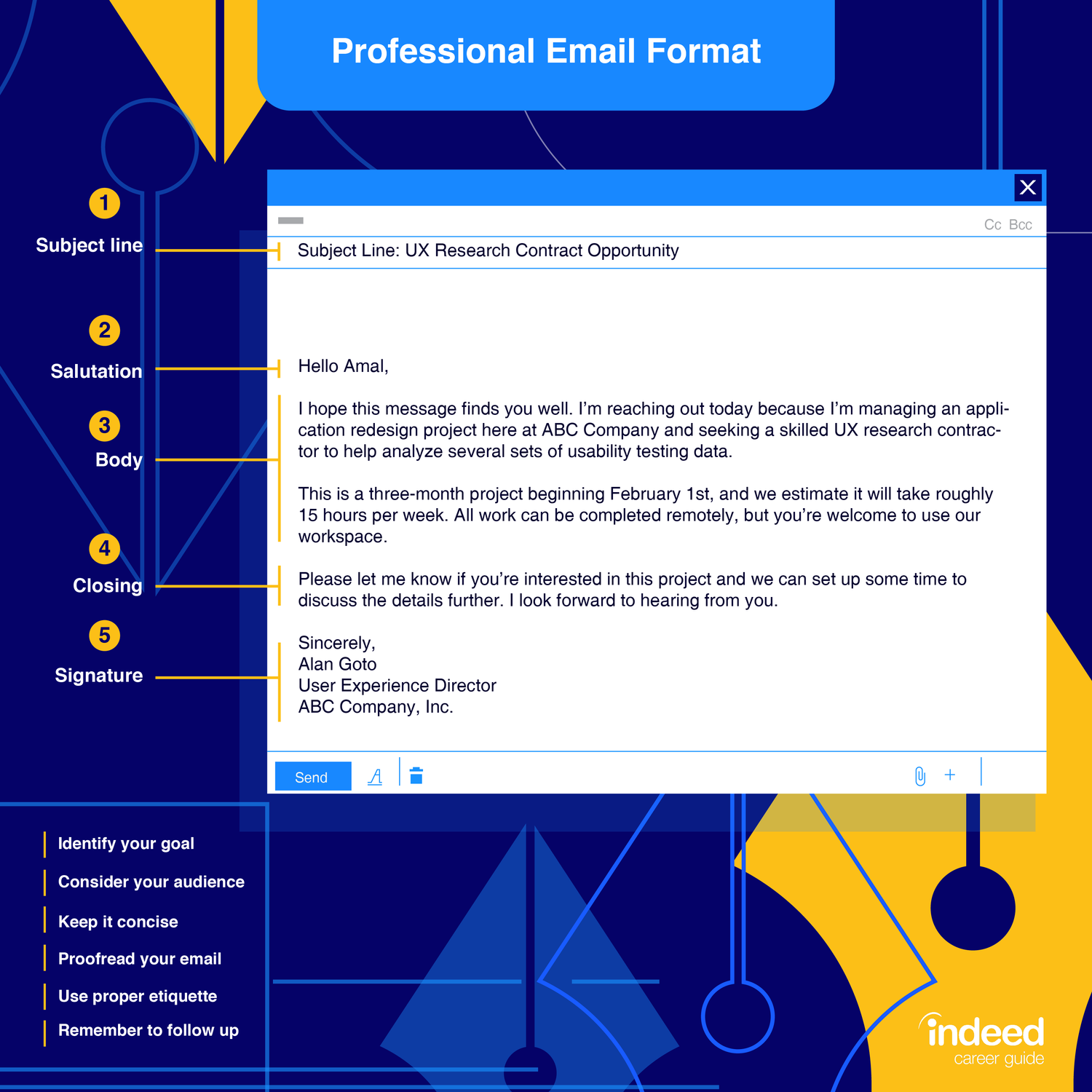
Next, tighten your communication basics. Write emails with a clear purpose. Put the main point in the first two sentences. Use bullet points when appropriate. End with a clear next step. This alone can dramatically improve how professional you appear.
Then, master expectation management. Before starting work, clarify scope, deadlines, and success criteria. Many conflicts happen not because people disagree, but because they assumed different things.
Develop a system for reliability. Use calendars, task managers, or simple checklists. Professionals don’t rely on memory alone—they build systems that support consistency.
Work on emotional regulation. When something triggers you, pause before responding. Draft messages and revisit them later if needed. Professionals choose responses, not reactions.
Finally, seek feedback from people you trust. Ask how you come across in meetings or written communication. This can feel uncomfortable, but it’s one of the fastest ways to grow.
Over time, these steps become second nature. That’s when professionalism stops feeling like effort and starts feeling like identity.
Tools, Comparisons, and Practical Recommendations
Professionalism is supported by tools, not replaced by them. The right tools help you stay organized, communicate clearly, and reduce errors.
For communication, tools like email clients with scheduling features help you respect time zones and boundaries. Messaging platforms can be powerful, but professionalism means knowing when a quick message is appropriate and when a thoughtful email is better.
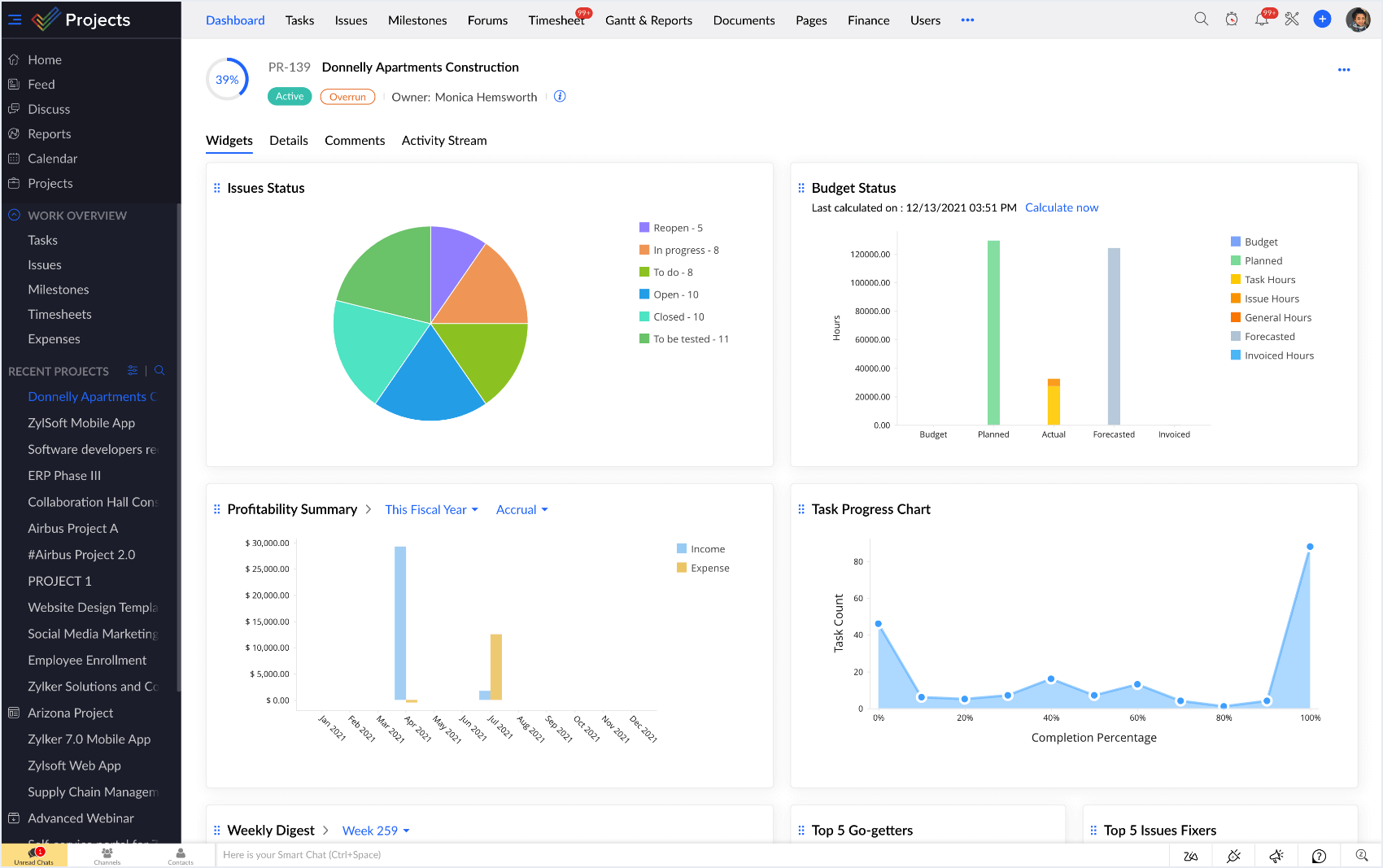
For task management, simple systems often work best. Whether it’s a digital tool or a notebook, what matters is that you track commitments and review them regularly.
Calendar management tools help prevent overbooking and missed meetings. A professional respects their own time as much as others’.
Free tools are often sufficient early on. Paid tools become valuable when they save time, reduce cognitive load, or improve collaboration at scale. The key is consistency—switching tools every month creates friction and confusion.
One expert recommendation: document decisions. Meeting notes, summaries, and written agreements reduce misunderstandings and protect relationships. This habit alone can elevate how professional you’re perceived.

4
Common Mistakes That Undermine Professionalism and How to Fix Them
Even well-intentioned people make mistakes that quietly damage their professional image.
One common mistake is over-informality. Being friendly is good; being careless is not. Sloppy messages, excessive emojis in formal contexts, or unclear commitments can signal a lack of seriousness. The fix is simple: match your tone to the situation.
Another mistake is poor follow-through. Agreeing to too much and delivering too little erodes trust fast. Learn to say no or negotiate timelines realistically.
Emotional venting at work is another pitfall. Sharing frustrations is human, but dumping emotions on colleagues without consent can feel unprofessional. Choose appropriate outlets and timing.
Avoiding difficult conversations is also costly. Professionals address issues early and directly, with respect. Silence often makes problems worse.
Finally, confusing busyness with effectiveness is a trap. Long hours and constant activity don’t equal professionalism. Clear priorities and meaningful results do.
The fix across all these mistakes is intentionality. Pause, consider impact, and choose the response that supports long-term trust.
The Long-Term Impact of Being a Business Professional
Professionalism compounds quietly. You won’t always see immediate rewards, but over months and years, patterns emerge.
People start looping you into important conversations. Your opinion carries more weight. You’re trusted with sensitive information. Opportunities appear through referrals rather than applications.
Perhaps most importantly, professionalism gives you flexibility. When people trust you, they’re more forgiving of occasional mistakes. Trust buys grace.
In a world obsessed with hacks and shortcuts, professionalism is refreshingly simple. It’s not flashy. It’s not trendy. But it works.
Conclusion
Being a business professional isn’t about perfection. It’s about consistency, awareness, and respect. It’s about showing up in a way that makes work smoother, relationships stronger, and outcomes better—for everyone involved.
You don’t need to change who you are to become more professional. You need to refine how you communicate, manage expectations, and handle pressure. These are learnable skills, not fixed traits.
If there’s one takeaway, it’s this: professionalism is a form of generosity. It makes life easier for the people around you. And in return, it opens doors you didn’t even know were closed.
If you found this helpful, reflect on one small habit you can improve this week—and start there.
FAQs
What is a business professional in simple terms?
A business professional is someone who communicates clearly, acts reliably, and treats others with respect in work-related situations.
Do you need formal education to be a business professional?
No. Professionalism is about behavior and mindset, not degrees or titles.
Can creative or casual roles still require professionalism?
Absolutely. Professionalism adapts to context. Even informal environments value reliability, clarity, and respect.
How long does it take to become more professional?
You can improve your professional presence in weeks by changing communication habits, but mastery develops over years.
Is professionalism the same across cultures?
The core principles are similar, but expressions vary. A business professional learns to adapt across cultures.

Michael Grant is a business writer with professional experience in small-business consulting and online entrepreneurship. Over the past decade, he has helped brands improve their digital strategy, customer engagement, and revenue planning. Michael simplifies business concepts and gives readers practical insights they can use immediately.





Great platform with a very professional layout. The transparency in their rules makes me trust them more than other sites. phwinphcom is top notch.