Introduction: Why AI Business Ideas for Entrepreneurs Matter More Than Ever
If you are an entrepreneur in 2026, ignoring artificial intelligence is like opening a retail store in the 1990s and refusing to use the internet. It is not a trend anymore. AI has quietly become the operating system of modern business.
Every week, I talk to founders who feel torn between excitement and overwhelm. They see competitors using AI to automate customer support, personalize marketing, predict demand, or build products that simply were not possible a few years ago. At the same time, they worry they are “late to the game” or lack the technical background to compete.
Here is the truth from someone who has worked with startups, agencies, and solopreneurs for years: this is still the early innings. The real opportunity is not in building the next mega AI model. It is in applying AI to real problems that real people and businesses already have.
This guide on AI business ideas for entrepreneurs is designed to do exactly that. You will learn what AI-powered businesses actually look like in practice, where the money is being made, and how to start step by step—even if you are not a developer. We will walk through benefits, use cases, tools, mistakes, and proven approaches so you can move from curiosity to execution with confidence.
Understanding AI Business Ideas: A Beginner-Friendly Breakdown
At its core, an AI business is not about robots or science fiction. It is about using machine learning, natural language processing, computer vision, or automation to do things faster, cheaper, or smarter than traditional methods.
Think of AI like a highly skilled assistant who never sleeps. It can read thousands of documents in seconds, recognize patterns humans would miss, generate content, answer questions, forecast outcomes, and adapt over time. Entrepreneurs succeed when they package this capability into something useful.
For example, a traditional marketing agency manually analyzes campaign data and writes reports. An AI-powered marketing service uses algorithms to analyze performance automatically, generate insights, and even suggest optimizations. The value is not the AI itself—it is the time saved, the better decisions, and the improved results.
AI business ideas for entrepreneurs usually fall into three categories:
- AI-powered services that enhance or replace human work
- AI-enabled products that solve a niche problem
- AI automation layers that improve existing workflows
You do not need to invent new technology. Most successful founders use existing AI platforms and models and focus on customer experience, industry expertise, and distribution. This is why non-technical entrepreneurs are thriving in the AI space right now.
Benefits and Use Cases of AI Business Ideas for Entrepreneurs
The biggest advantage of AI-driven businesses is leverage. A small team—or even a solo founder—can now compete with much larger companies.
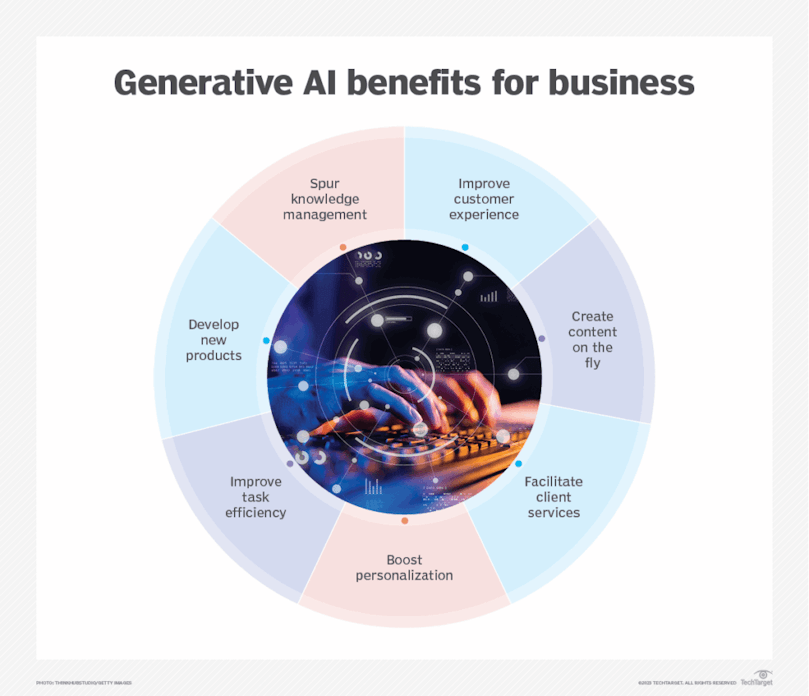
One major benefit is scalability. Traditional service businesses scale linearly: more clients require more staff. AI-powered businesses can scale exponentially. Once the system is built, serving 100 clients is often not much harder than serving 10.
Another benefit is cost efficiency. AI can automate repetitive tasks like data entry, customer support, content generation, scheduling, and reporting. This lowers operational costs and increases margins, which is critical for startups.
AI also unlocks personalization at scale. Instead of generic experiences, businesses can tailor recommendations, emails, onboarding flows, and offers to each user. This leads to higher engagement and retention.
Real-world use cases include:
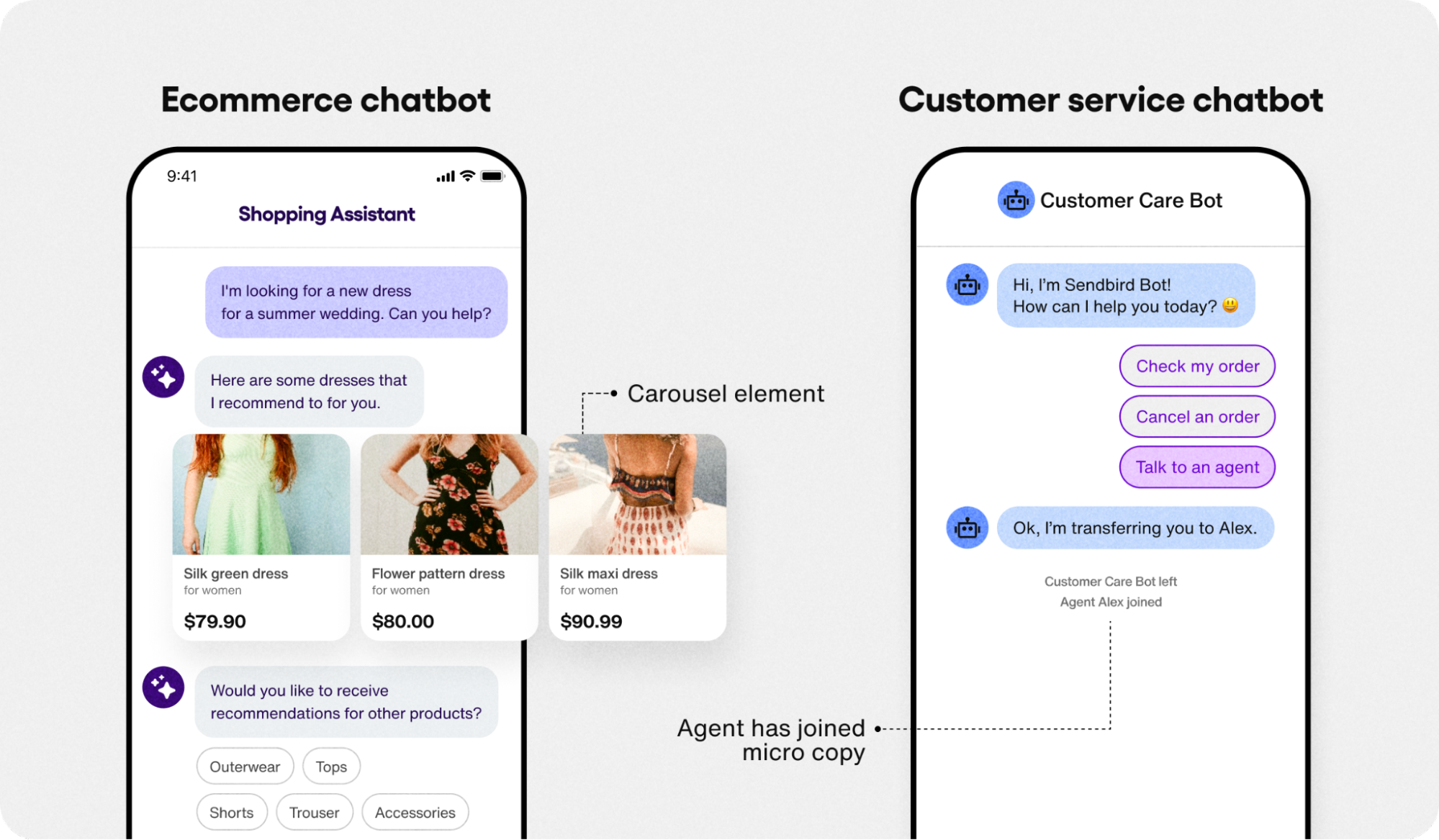
- Small businesses using AI chatbots to provide 24/7 customer support
- Coaches and consultants using AI to create personalized plans for clients
- E-commerce sellers predicting inventory needs with AI forecasting
- Content creators using AI to research, outline, and optimize articles
AI business ideas for entrepreneurs are especially powerful in industries that are data-heavy, repetitive, or underserved by technology, such as healthcare admin, real estate, education, legal services, and local businesses.
Step-by-Step Guide to Building an AI Business as an Entrepreneur
Building an AI business does not start with technology. It starts with clarity.
Step one is identifying a painful problem. Look for tasks that are time-consuming, expensive, or error-prone. Talk to potential customers. Ask what frustrates them daily. The best AI ideas often come from boring problems, not flashy ones.
Step two is validating demand. Before building anything, test interest. Create a simple landing page, run a small ad, or pitch the idea directly to your network. If people are willing to pay—or at least sign up—you are on the right track.
Step three is choosing the right AI approach. Decide whether you need:
- Text-based AI (chatbots, content, analysis)
- Image or video AI (design, inspection, editing)
- Predictive AI (forecasting, recommendations)
- Automation AI (workflow and process optimization)
Step four is building a minimum viable product. Use no-code or low-code tools when possible. Many successful AI startups began with simple integrations and manual processes behind the scenes.
Step five is pricing and positioning. Do not undersell. AI provides clear ROI when positioned correctly. Focus on outcomes, not features.
Finally, iterate based on feedback. AI businesses improve over time as models learn and workflows are refined. Continuous improvement is your competitive edge.
High-Potential AI Business Ideas for Entrepreneurs in 2026
4
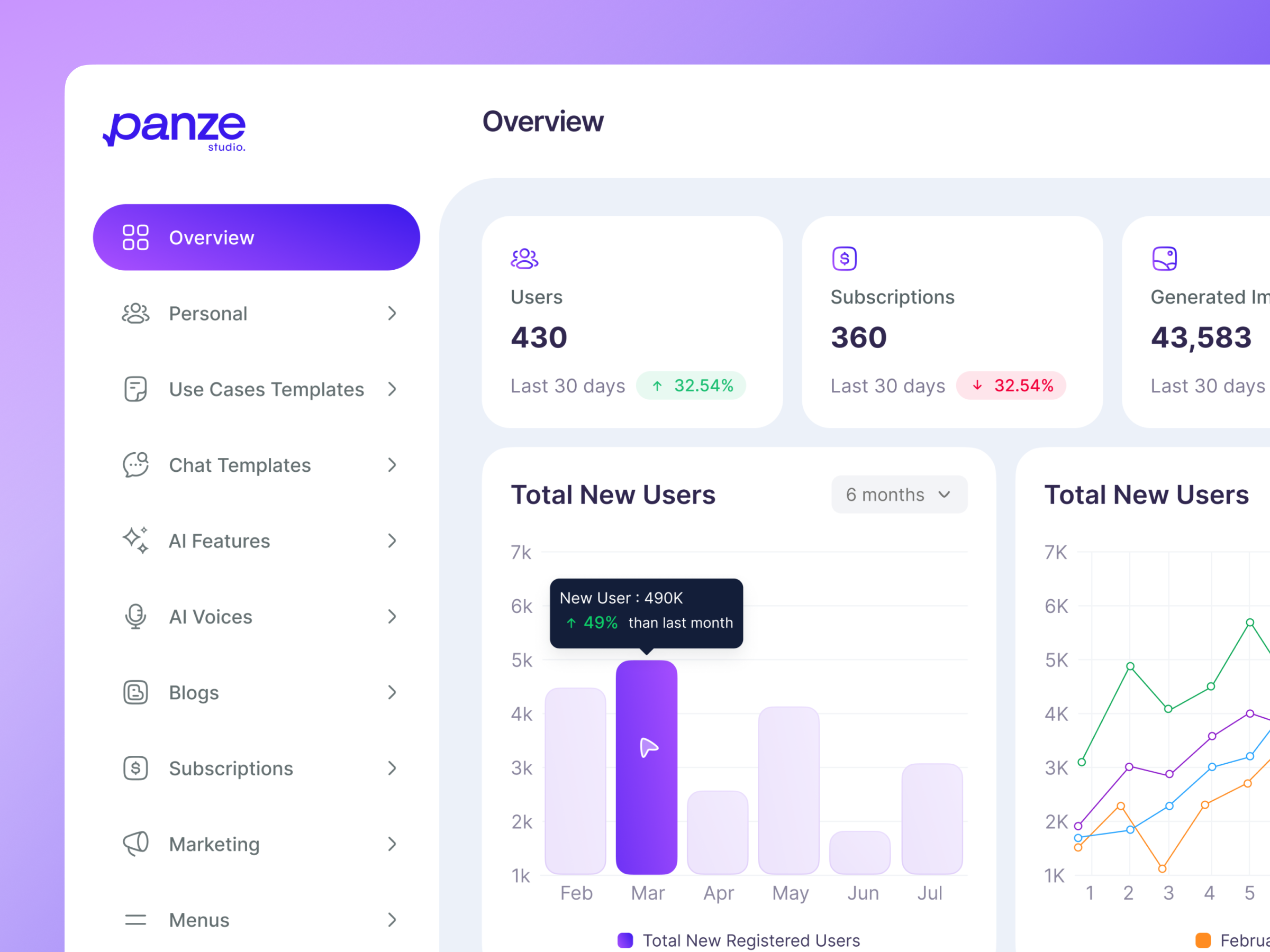
One of the most promising areas is AI-powered SaaS for niche markets. Instead of building a generic tool, target a specific profession or industry. For example, AI software for real estate agents that automates listings, follow-ups, and market analysis.
Another strong idea is AI consulting and implementation services. Many companies know they need AI but have no idea where to start. Entrepreneurs who can bridge this gap—by assessing needs, selecting tools, and setting up systems—are in high demand.
Content and media businesses powered by AI are also thriving. This includes SEO agencies using AI for research and optimization, YouTube automation channels, and newsletter businesses that personalize content for readers.
AI-powered e-commerce tools are another goldmine. Product recommendation engines, dynamic pricing tools, and AI-generated product descriptions directly impact revenue.
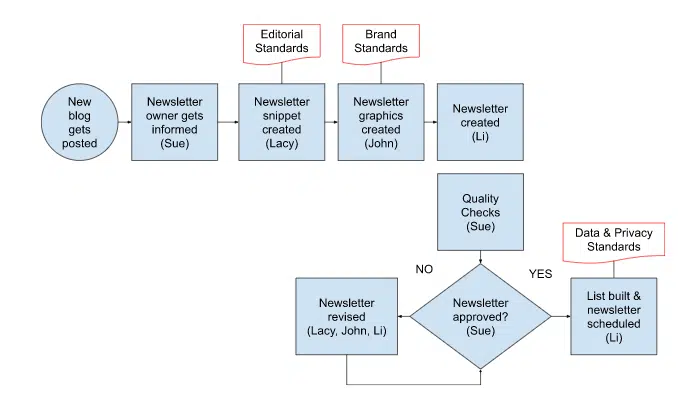
Finally, internal automation for small and medium businesses is exploding. AI that handles invoicing, CRM updates, lead qualification, and reporting saves owners hours every week—and they are happy to pay for that relief.
Tools, Comparisons, and Recommendations for AI Entrepreneurs
Choosing the right tools can make or break your AI business. The good news is that you do not need to build models from scratch.
For text and language tasks, large language model platforms are the backbone of many startups. They are ideal for chatbots, content creation, summarization, and analysis.
For automation, workflow tools allow you to connect AI with existing apps like email, CRMs, and databases. This is where many non-technical founders shine.
Free tools are great for experimentation and learning. They allow you to prototype quickly and validate ideas. However, paid tools offer reliability, support, and scalability, which are crucial once you have paying customers.
When comparing tools, consider:
- Cost versus expected ROI
- Ease of integration
- Data privacy and compliance
- Customization and control
- Vendor stability and roadmap
My recommendation is to start lean, prove the concept, and then upgrade as revenue grows. Tool choice should serve your business model, not the other way around.
Common Mistakes Entrepreneurs Make with AI Businesses (and How to Fix Them)
One of the biggest mistakes is leading with AI instead of the problem. Customers do not care about algorithms. They care about results. Always frame your offering around outcomes.
Another common error is overbuilding too early. Entrepreneurs get excited and spend months developing complex systems before validating demand. The fix is simple: launch faster with a basic version.
Ignoring data quality is another trap. AI is only as good as the data it uses. Poor inputs lead to poor outputs. Build processes to clean, review, and improve data over time.
Many founders also underestimate the importance of trust. AI businesses handle sensitive data and decisions. Be transparent, ethical, and compliant. This builds long-term credibility.
Finally, some entrepreneurs rely too heavily on automation and forget the human touch. The best AI businesses combine efficiency with empathy. Use AI to enhance human value, not replace it entirely.
The Future of AI Business Ideas for Entrepreneurs


4
Looking ahead, AI will become less visible but more embedded. Successful entrepreneurs will not market “AI tools.” They will market better experiences, faster outcomes, and smarter services powered quietly by AI.
We will also see more regulation, which may sound scary but actually favors serious founders. Those who invest in compliance, transparency, and ethics will stand out as trustworthy providers.
The biggest opportunities will belong to entrepreneurs who understand both technology and people. AI can process information, but humans understand context, emotion, and nuance. Businesses that blend both will win.
Conclusion: Turning AI Business Ideas into Real Opportunities
AI business ideas for entrepreneurs are not about chasing hype. They are about solving problems better than before.
Whether you are a solo founder, a consultant, or a startup team, AI gives you leverage that was unimaginable a decade ago. You can build faster, scale smarter, and compete globally with limited resources.
The key is to start small, stay practical, and focus relentlessly on value. Choose one idea, validate it, and take action. The entrepreneurs who succeed with AI are not the ones who know the most about algorithms—they are the ones who understand their customers the best.
If you are serious about building an AI-powered business, now is the time to experiment, learn, and execute.
FAQs
What are the best AI business ideas for beginners
Service-based AI businesses like chatbots, automation setup, and content services are ideal because they require minimal technical skills.
Do I need coding skills to start an AI business
No. Many tools are no-code or low-code. Understanding workflows and customer needs matters more.
Are AI businesses expensive to start
Many can be started with under a few hundred dollars using subscription-based tools.
How long does it take to make money with an AI business
With a validated idea and clear offer, some founders generate revenue within weeks.
Is the AI market too competitive
Competition exists, but niches are still wide open. Specialization is the key advantage.

Michael Grant is a business writer with professional experience in small-business consulting and online entrepreneurship. Over the past decade, he has helped brands improve their digital strategy, customer engagement, and revenue planning. Michael simplifies business concepts and gives readers practical insights they can use immediately.