
When was the last time you clicked an article, video, email, or ad because the headline pulled you in before you even realized what happened? Most of us do it daily—scrolling fast, skimming faster, and stopping only when a headline feels like it was written for us. That’s why effective headline writing techniques 2025r matter more than ever.
In 2025, attention is the scarcest currency online. Algorithms change, platforms evolve, AI floods the internet with content—but headlines remain the gatekeepers. No matter how brilliant your content is, it lives or dies by the headline. I’ve seen expertly researched articles flop because of weak headlines, and scrappy blog posts explode simply because the headline hit the right emotional and informational note.
This guide is designed to be practical, not theoretical. You’ll learn what headline writing really is in today’s landscape, why it matters for SEO and humans, and exactly how to craft headlines that earn clicks without resorting to cheap tricks. Whether you’re a content writer, marketer, blogger, business owner, or creator, these techniques will help you write headlines that attract attention, build trust, and convert readers consistently.
By the end, you’ll have a repeatable system, real-world examples, tool recommendations, and the confidence to write headlines that perform in 2025 and beyond.
Understanding Effective Headline Writing Techniques in 2025
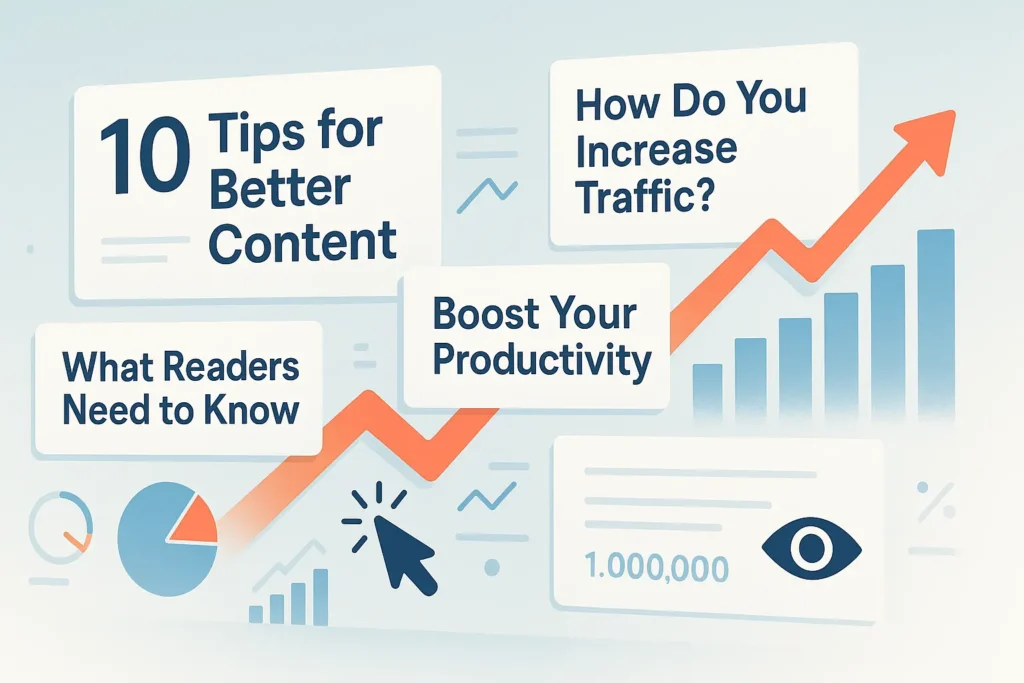
At its core, headline writing is about making a promise—and doing it clearly, credibly, and compellingly. In 2025, effective headline writing techniques are less about shock value and more about relevance, intent, and trust. Readers have been burned too many times by clickbait. They now reward clarity and usefulness.
Think of your headline as a storefront window. If it’s vague, cluttered, or misleading, people walk past. If it shows exactly what’s inside and why it matters, people step in. A great headline answers at least one of these questions instantly:
- What will I gain from reading this?
- Is this relevant to my problem right now?
- Can I trust this source?
Modern headline writing blends psychology, SEO, and empathy. Search engines scan headlines for topical relevance and intent alignment, while humans scan them for emotional resonance and clarity. In 2025, you can’t write for one and ignore the other.
For example, “How to Write Better Headlines” is fine—but forgettable. Compare that with “15 Effective Headline Writing Techniques That Increased My Clicks by 47%.” The second headline adds specificity, credibility, and curiosity without exaggeration. That balance is what defines effective headline writing techniques 2025.
Another key shift is conversational language. Headlines no longer need to sound formal or academic. They need to sound human. If you wouldn’t say it out loud to a colleague or friend, it probably won’t perform well online.
Benefits and Real-World Use Cases of Strong Headlines
Strong headlines don’t just boost clicks—they improve everything downstream. When you apply effective headline writing techniques correctly, the impact shows up across metrics and platforms.
First, headlines directly affect click-through rates. Whether it’s a blog post in Google search results, a LinkedIn post, or an email subject line, the headline determines whether your content gets a chance. Even a small improvement in CTR can double traffic over time.
Second, headlines shape reader expectations. A clear, accurate headline attracts the right audience. That means lower bounce rates, longer dwell time, and higher engagement—all signals that search engines love. In other words, good headlines indirectly support SEO performance.
Real-world use cases are everywhere. Content writers use them to rank blog posts. Marketers rely on them for ads and landing pages. Business owners use them on sales pages to frame value instantly. Even internal documents benefit from strong headlines because clarity saves time.
Consider a SaaS company launching a new feature. “New Update Released” won’t move the needle. “New Automation Feature That Saves Teams 5+ Hours a Week” speaks directly to value. Or think about a freelance writer pitching an article. Editors are far more likely to open an email with a headline that demonstrates relevance and outcome.
Ultimately, effective headline writing techniques 2025 help you cut through noise, communicate value faster, and build trust at scale—skills that compound over time.
Step-by-Step Guide to Writing Headlines That Work in 2025
Writing great headlines isn’t about talent—it’s about process. Here’s a repeatable, real-world approach you can use every time.
Start with audience intent. Before writing a single word, ask what the reader is trying to solve. Are they looking for information, comparison, inspiration, or a solution? Headlines aligned with intent outperform clever but generic ones.
Next, define the core benefit. Every strong headline centers on one main takeaway. Not three. Not five. One. This could be saving time, avoiding mistakes, learning a skill, or achieving a result. Write that benefit in plain language first, then refine.
Then add specificity. Numbers, timeframes, qualifiers, and outcomes make headlines concrete. “Tips for Better Headlines” becomes “9 Proven Headline Tips That Boost Clicks Without Clickbait.”
After that, layer in curiosity—but responsibly. Curiosity should invite the reader, not trick them. Open loops work best when the content genuinely delivers. Think “What Most Writers Miss About Headlines” rather than vague hype.
Finally, optimize for SEO without killing the human tone. Place your primary keyword naturally, ideally toward the front, but don’t force it. Search engines are smart enough to understand variations.
A practical checklist:
- Does it clearly state what the content is about?
- Does it promise a real benefit?
- Would you click it yourself?
- Does it match the content honestly?
This process is the backbone of effective headline writing techniques 2025 and works across blogs, emails, ads, and social media.
Tools, Comparisons, and Expert Recommendations
Headline writing tools can help—but they’re assistants, not replacements for judgment. In 2025, the best tools support clarity, testing, and optimization.
Free tools like CoSchedule Headline Analyzer offer quick feedback on structure, word balance, and readability. They’re great for beginners and for gut-checking ideas. However, they often overemphasize formulas and scores, so don’t treat them as gospel.
Paid tools like Copy.ai, Jasper, or Writesonic generate headline variations quickly. These are useful for brainstorming, A/B testing, and overcoming writer’s block. The downside is that AI-generated headlines often sound generic unless heavily edited.
SEO-focused tools like Ahrefs, SEMrush, and Surfer SEO help align headlines with search intent and keyword opportunities. They shine when you’re competing in crowded niches and need data-backed decisions.
My recommendation is a hybrid approach. Use tools to generate ideas and validate SEO alignment, then refine manually. The best-performing headlines usually come from human insight layered on top of data.
Remember, tools don’t understand your audience like you do. Effective headline writing techniques 2025 rely on experience, empathy, and testing—not just automation.
Common Headline Mistakes and How to Fix Them
Even experienced writers fall into headline traps. One of the most common mistakes is being too vague. Headlines that say nothing specific get ignored. Fix this by adding outcomes, numbers, or context.
Another mistake is overpromising. Clickbait may get clicks once, but it destroys trust and long-term performance. The fix is simple: write headlines that your content fully delivers on—no exceptions.
Keyword stuffing is another issue. Forcing keywords into headlines makes them awkward and unreadable. Instead, focus on natural phrasing and let semantic relevance do the work.
Many writers also write only one headline and move on. That’s a missed opportunity. Writing 5–10 variations often leads to one standout option. Treat headlines as drafts, not final answers.
Finally, ignoring platform context hurts performance. A blog headline, YouTube title, and email subject line shouldn’t be identical. Adjust tone and length based on where it appears.
Fixing these mistakes instantly improves the effectiveness of your headline writing without changing your content at all.
Conclusion
Headlines are not decorations—they’re decision-makers. In 2025, mastering effective headline writing techniques 2025 is one of the highest-leverage skills you can develop as a writer or marketer. Great headlines earn attention, build trust, and create momentum for everything that follows.
The key takeaway is simple: write for humans first, optimize for search second, and always deliver on the promise you make. Use clear benefits, honest curiosity, and real-world language. Test, refine, and learn from what performs.
If you apply even a handful of the techniques in this guide, you’ll notice stronger engagement, better SEO results, and more confident writing. Try rewriting one old headline today using these principles—and see what happens.
FAQs
What makes a headline effective in 2025?
An effective headline in 2025 is clear, benefit-driven, aligned with search intent, and written in natural, human language without clickbait.
How long should a headline be for SEO?
Most SEO-friendly headlines fall between 50–65 characters, but clarity and relevance matter more than strict length.
Are numbers still effective in headlines?
Yes, numbers still work when they add specificity and realism, not when they feel exaggerated or random.
Can AI tools replace human headline writing?
AI tools help with ideas and testing, but human judgment is still essential for tone, trust, and nuance.
How many headline variations should I write?
Aim for at least 5–10 variations. The best headline is rarely the first one you write.

Adrian Cole is a technology researcher and AI content specialist with more than seven years of experience studying automation, machine learning models, and digital innovation. He has worked with multiple tech startups as a consultant, helping them adopt smarter tools and build data-driven systems. Adrian writes simple, clear, and practical explanations of complex tech topics so readers can easily understand the future of AI.