
If you’ve ever sat in a meeting where business leaders complained that “IT is slowing us down,” you already understand the core problem the information technology infrastructure library was created to solve. Technology is no longer a support function tucked away in a server room. It is the nervous system of modern organizations. When IT fails, revenue stalls, customers leave, and trust erodes fast.
I’ve worked with teams where IT was seen as a necessary evil—reactive, overworked, and constantly firefighting. I’ve also seen organizations where IT was a strategic partner, rolling out changes smoothly, communicating clearly, and delivering measurable business value. The difference between those two realities is rarely about talent or budget alone. More often, it comes down to whether the organization follows a shared, proven framework for managing IT services.
That’s where the information technology infrastructure library comes in. This article is for IT managers who are tired of chaos, business leaders who want predictability, students trying to understand IT service management, and organizations that need structure without suffocating bureaucracy. By the end, you’ll understand not just what ITIL is, but how it actually works in the real world—and how to apply it without turning your team into process robots.
Information Technology Infrastructure Library Explained in Plain English
The information technology infrastructure library, commonly known as ITIL, is a best-practice framework for IT service management (ITSM). At its heart, ITIL answers a deceptively simple question: how can IT consistently deliver services that meet business needs?
Think of ITIL like a well-tested playbook rather than a rulebook. It doesn’t tell you exactly what software to buy or how many people to hire. Instead, it gives guidance on how to design, deliver, manage, and improve IT services over time. The emphasis is on services—not servers, not tickets, not tools, but outcomes that matter to users and the business.
A useful analogy is restaurant operations. Customers don’t care how the kitchen is organized or which brand of stove is used. They care that the food arrives on time, tastes good, and meets expectations. ITIL applies the same thinking to IT: users don’t care about infrastructure details; they care that systems work reliably and support their goals.
Over the years, ITIL has evolved significantly. Earlier versions focused heavily on processes. Modern ITIL (especially ITIL 4) emphasizes value co-creation, flexibility, and integration with Agile, DevOps, and Lean practices. This evolution is one reason ITIL remains relevant instead of becoming another outdated management theory.
The Evolution of the Information Technology Infrastructure Library
Understanding how the information technology infrastructure library evolved helps explain why it’s still widely used today. ITIL began in the late 1980s as a set of best practices developed by the UK government to standardize IT operations. At the time, IT departments were largely siloed, undocumented, and inconsistent.
As organizations adopted ITIL, it grew into a structured framework covering the entire service lifecycle. Earlier versions introduced concepts like Service Strategy, Service Design, Service Transition, Service Operation, and Continual Service Improvement. These ideas helped organizations move away from reactive support toward planned, repeatable service delivery.
With ITIL 4, the framework took a major step forward. Instead of rigid lifecycle phases, it introduced the Service Value System (SVS), which focuses on how components and activities work together to create value. This change reflected the reality of modern IT, where Agile development, cloud platforms, and continuous deployment are the norm.
Today, ITIL is maintained by AXELOS and aligns closely with real-world practices. It doesn’t compete with Agile or DevOps; it complements them. That’s why you’ll find ITIL principles quietly embedded in high-performing IT organizations—even when teams don’t explicitly say “we’re using ITIL.”
Core Components of the Information Technology Infrastructure Library
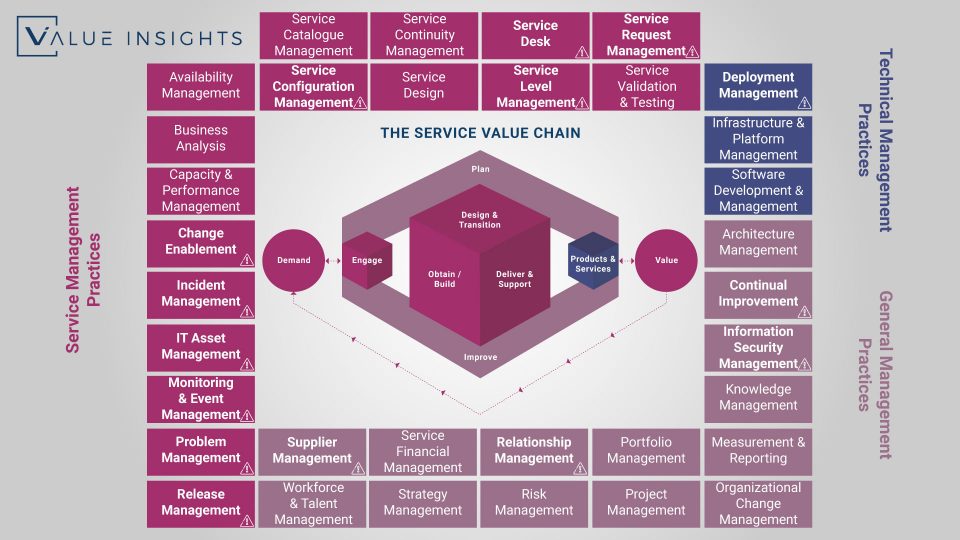
At a structural level, the information technology infrastructure library is built around several interconnected components. Understanding these helps you see how ITIL fits together without memorizing dozens of definitions.
First is the Service Value System. This explains how demand and opportunity are transformed into value through services. It includes guiding principles, governance, the service value chain, practices, and continual improvement. Together, these elements ensure IT efforts align with business outcomes.
Second are the guiding principles. These are universal recommendations such as “focus on value” and “progress iteratively with feedback.” They sound simple, but they are powerful filters for decision-making. In practice, they prevent teams from overengineering solutions or implementing processes that don’t solve real problems.
Third are the ITIL practices. These replace the older concept of “processes” and cover areas like incident management, change enablement, service desk, and problem management. Practices are intentionally flexible, allowing organizations to scale them up or down based on context.
What matters most is that these components work together. ITIL isn’t a checklist; it’s a system. When organizations treat it as a collection of disconnected processes, they miss the point—and usually abandon it out of frustration.
Benefits and Real-World Use Cases of the Information Technology Infrastructure Library
Organizations adopt the information technology infrastructure library because it delivers tangible benefits when applied thoughtfully. The most obvious is consistency. When teams follow shared practices, service delivery becomes predictable. Incidents are handled the same way regardless of who is on call. Changes are assessed for risk instead of being rushed into production.
Another major benefit is improved communication between IT and the business. ITIL encourages defining services in business terms. Instead of talking about servers or applications, teams talk about payroll services, customer portals, or analytics platforms. This shift alone can dramatically improve trust.
In the real world, I’ve seen ITIL reduce downtime, shorten incident resolution times, and clarify ownership. In healthcare, it helps ensure critical systems remain available. In finance, it supports compliance and risk management. In fast-growing startups, lightweight ITIL practices provide structure without slowing innovation.
Before ITIL, many teams operate in survival mode. After ITIL, they gain breathing room. Firefighting decreases, documentation improves, and continuous improvement becomes part of the culture rather than an afterthought.
Step-by-Step: Implementing the Information Technology Infrastructure Library in Practice
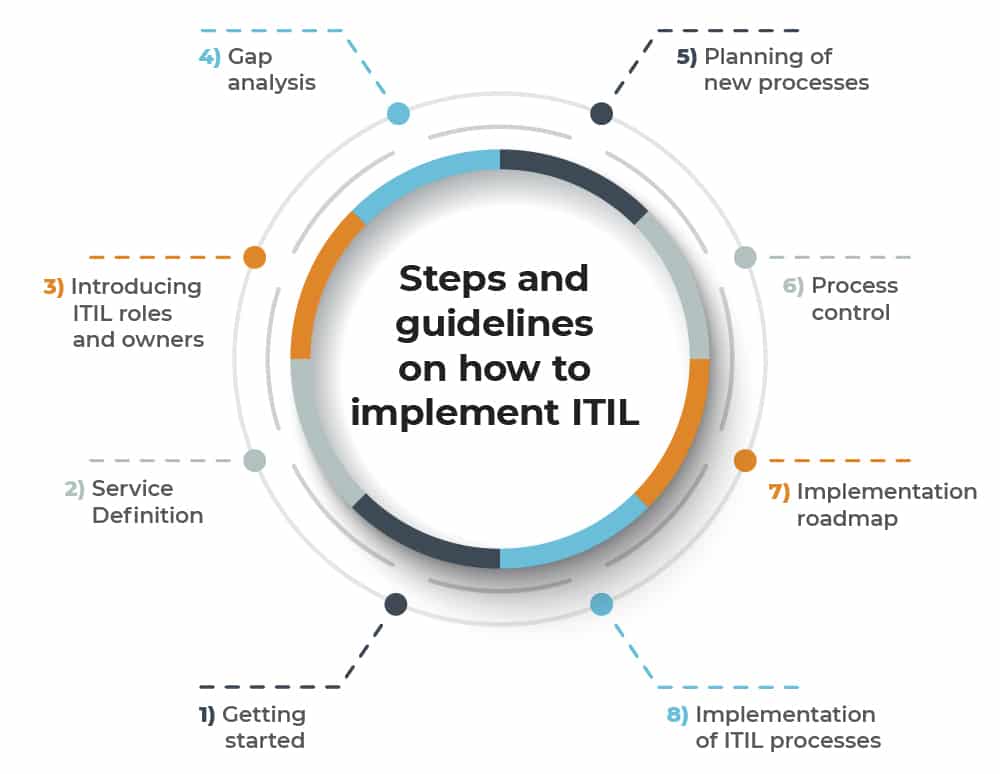
Implementing the information technology infrastructure library doesn’t mean rolling out every practice at once. In fact, that’s one of the most common mistakes. A successful implementation follows a phased, pragmatic approach.
The first step is understanding your current state. Identify pain points: recurring incidents, failed changes, unclear responsibilities, or unhappy users. ITIL should solve real problems, not theoretical ones.
Next, define your services. This is harder than it sounds. Services should be described from the user’s perspective, with clear value and ownership. Without this clarity, ITIL practices lose focus.
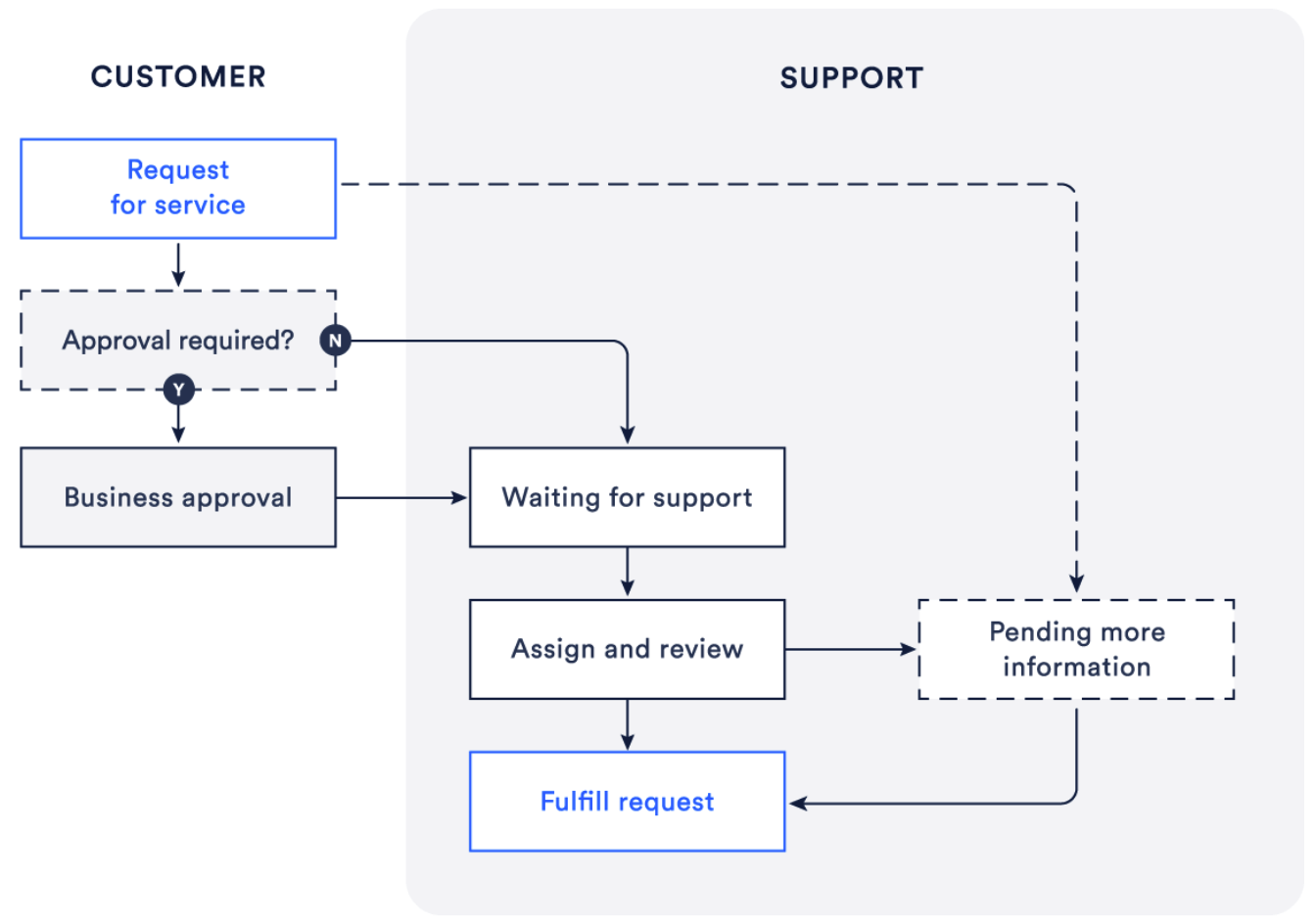
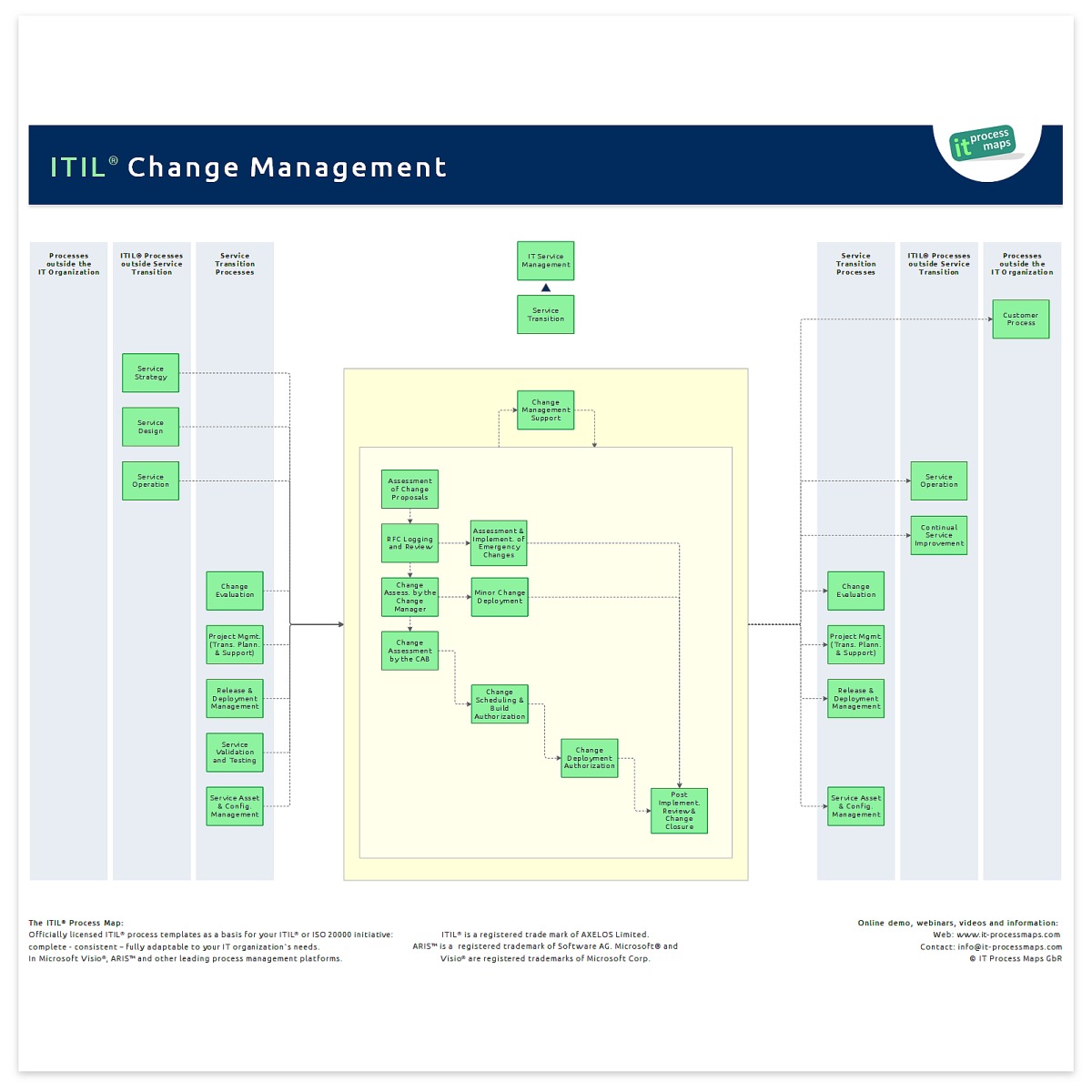
Then, start small. Many organizations begin with incident management, service request management, and change enablement. These areas often deliver quick wins and build confidence.
As practices mature, integrate tools that support workflows rather than dictate them. Automation helps, but only after processes are understood. Finally, establish a culture of continual improvement. Regular reviews, metrics, and feedback loops keep ITIL alive rather than frozen in documentation.
Tools, Comparisons, and Expert Recommendations
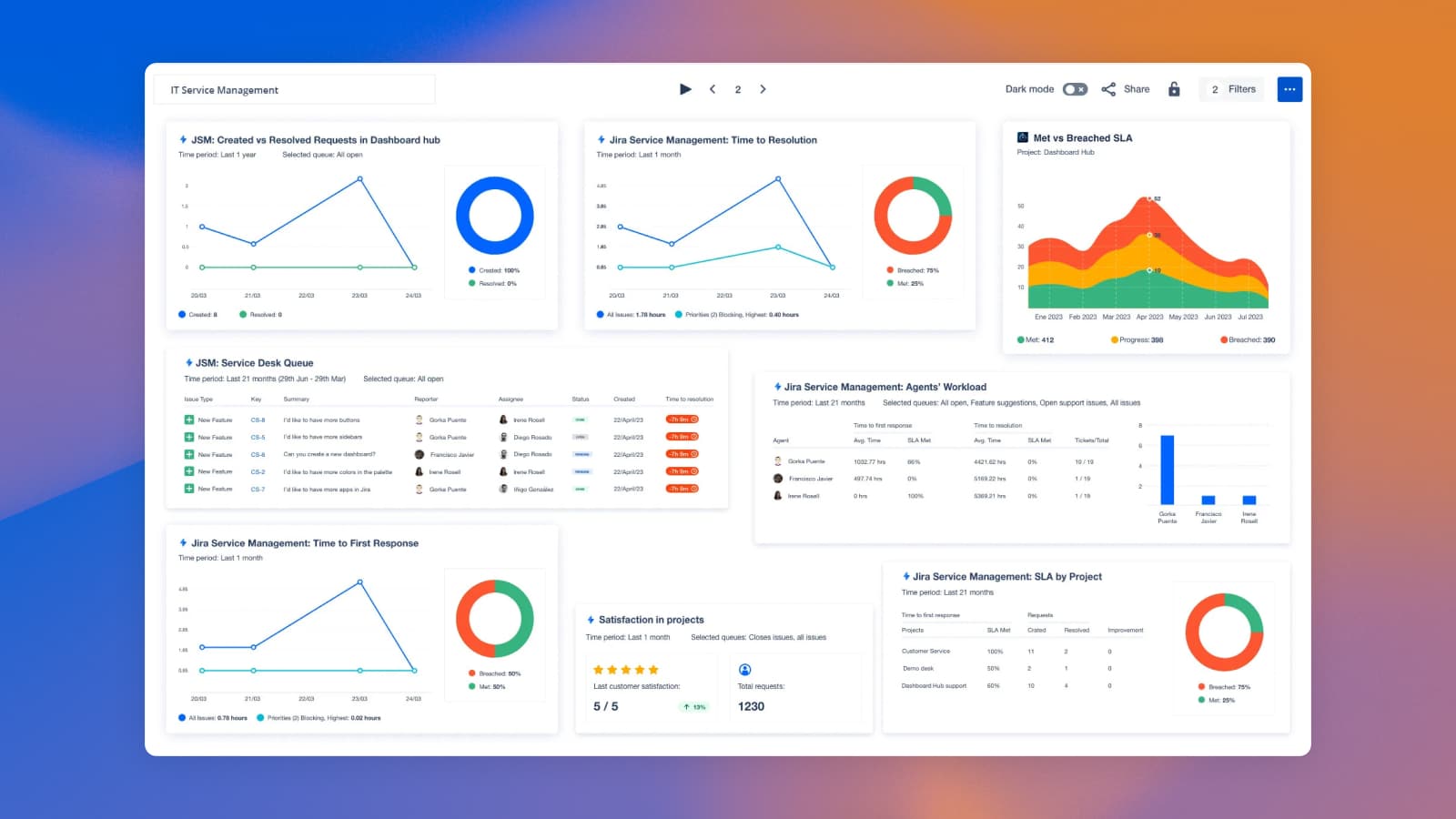

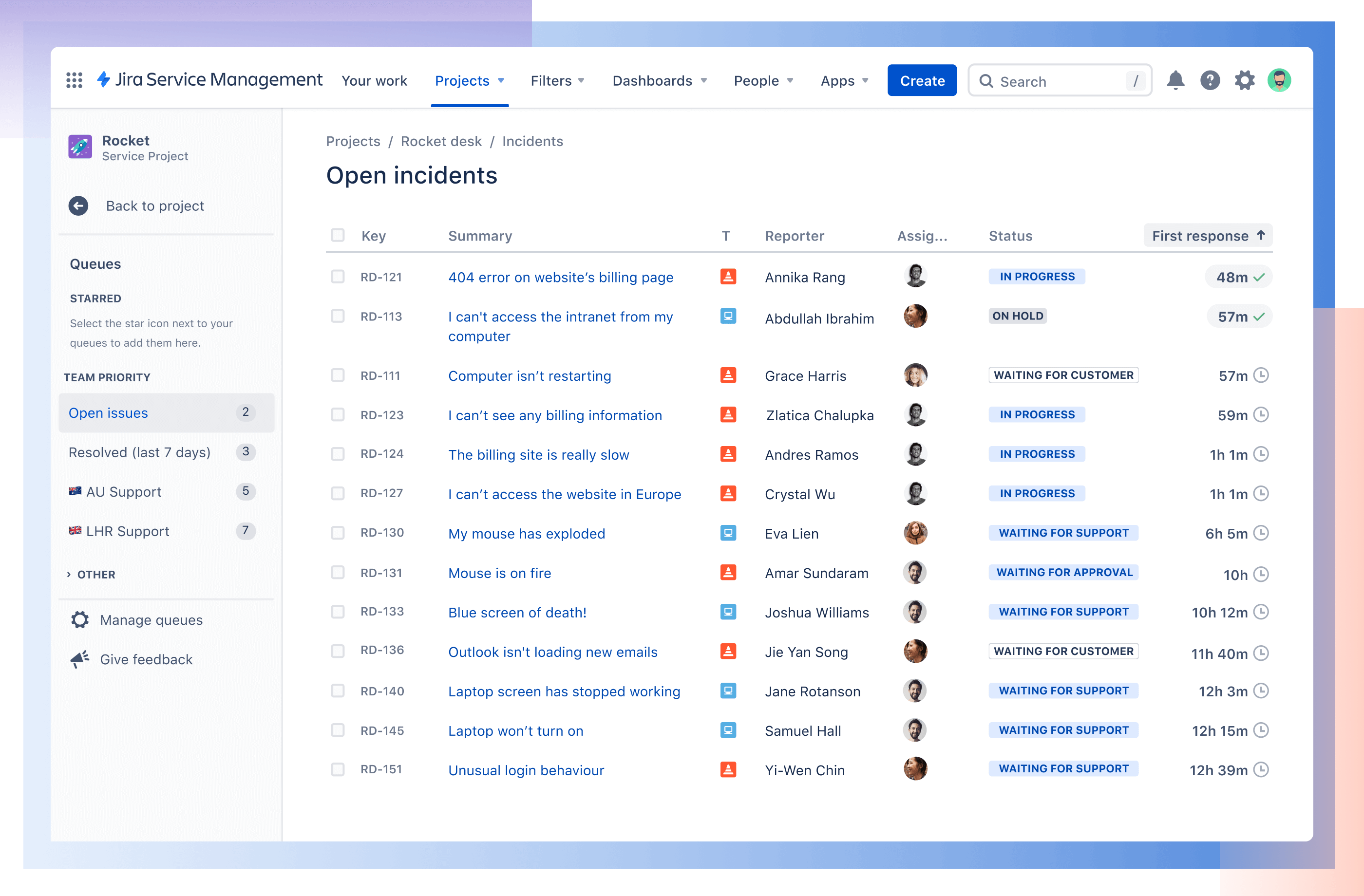
Tools can either amplify the benefits of the information technology infrastructure library or undermine it. The key is choosing tools that align with your maturity level.
Enterprise platforms like ServiceNow offer deep functionality, automation, and reporting. They’re powerful but require disciplined configuration. For mid-sized teams or Agile environments, Jira Service Management provides flexibility and strong integration with development workflows.
Free or lightweight tools can work for smaller teams, but they often lack governance and reporting. My general advice is to prioritize usability and alignment with processes over feature lists. A simpler tool used well beats a complex tool used poorly.
Common Mistakes with the Information Technology Infrastructure Library—and How to Fix Them
The most frequent mistake is treating the information technology infrastructure library as a rigid rulebook. Teams over-document, over-approve, and slow themselves down. This usually leads to backlash and eventual abandonment.
Another common error is focusing on certification over capability. Training is valuable, but real improvement comes from applying principles in daily work. I’ve seen highly certified teams deliver poor service because they never adapted ITIL to their context.
Finally, many organizations ignore the “continual improvement” aspect. They implement practices once and move on. The fix is simple but challenging: schedule regular reviews, listen to feedback, and adjust. ITIL is meant to evolve alongside the business.
Conclusion: Turning the Information Technology Infrastructure Library into a Competitive Advantage
When applied with intention, the information technology infrastructure library becomes more than a framework. It becomes a shared language between IT and the business, a foundation for trust, and a platform for continuous improvement.
The organizations that succeed with ITIL are not the ones that implement everything perfectly. They are the ones that stay focused on value, adapt practices to reality, and treat IT service management as a living discipline. If you take that approach, ITIL won’t slow you down—it will help you move faster with confidence.
FAQs
What is the main purpose of the information technology infrastructure library?
Its purpose is to provide best practices for managing IT services in a way that delivers consistent business value.
Is ITIL still relevant in cloud and DevOps environments?
Yes. Modern ITIL complements Agile and DevOps by focusing on value, flow, and continual improvement.
Do small businesses need ITIL?
Small teams can benefit from lightweight ITIL practices without implementing the full framework.
How long does ITIL implementation take?
It varies. Initial improvements can be seen in months, while full maturity may take years.
Is ITIL a standard or a framework?
ITIL is a framework, not a mandatory standard, which makes it adaptable.

Adrian Cole is a technology researcher and AI content specialist with more than seven years of experience studying automation, machine learning models, and digital innovation. He has worked with multiple tech startups as a consultant, helping them adopt smarter tools and build data-driven systems. Adrian writes simple, clear, and practical explanations of complex tech topics so readers can easily understand the future of AI.