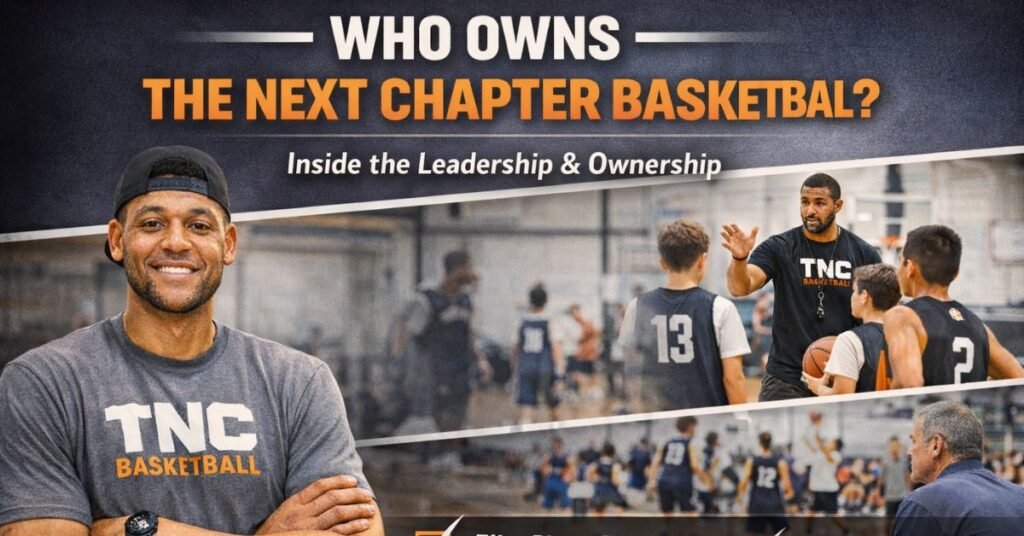
If you’ve spent any time around grassroots basketball, AAU circuits, or elite youth development programs in the U.S., chances are you’ve heard people asking the same question again and again: who owns The Next Chapter Basketball?
It’s a fair question—and an important one.
Parents want to know who they’re trusting with their child’s development. Players want to understand the values behind the brand. Coaches and sponsors want clarity on leadership, credibility, and long-term vision. Ownership in youth basketball isn’t just a business detail—it shapes culture, opportunity, and outcomes.
In this deep-dive guide, I’ll walk you through everything you actually need to know about who owns The Next Chapter Basketball, how the organization is structured, why ownership matters so much in modern basketball development, and how this program fits into the broader ecosystem of elite hoops training. This isn’t speculation or hype—just a grounded, experience-backed explanation written for real people making real decisions.
Understanding The Next Chapter Basketball: What It Is and Why Ownership Matters
Before we answer who owns The Next Chapter Basketball, it’s important to understand what the organization actually represents.
The Next Chapter Basketball is best described as a player development-focused basketball organization that operates at the intersection of elite training, competitive exposure, and long-term athlete growth. Unlike traditional AAU teams that often chase wins and trophies above all else, The Next Chapter Basketball positions itself as a development-first program.
Ownership matters here because youth basketball has a reputation problem.
Too many programs are run by:
- Tournament chasers with no long-term plan
- Coaches with zero player pathway experience
- Businesses that prioritize fees over futures
When ownership lacks real basketball credibility, the effects trickle down fast—poor coaching, weak exposure, and burned-out athletes.
That’s why families ask who owns The Next Chapter Basketball before they ever ask about tryouts.
Ownership tells you:
- What values guide decisions
- Whether development or profit comes first
- How connected the program is to higher levels of basketball
In elite youth sports, leadership isn’t background noise—it’s the foundation.
Who Owns The Next Chapter Basketball? The Clear, Honest Answer
The Next Chapter Basketball is privately owned and operated by its founding leadership team, with direct involvement from former high-level basketball professionals.
At the center of that ownership is Justin Jackson, a former NBA player and University of North Carolina standout. Jackson is widely recognized not just for his playing career, but for his thoughtful approach to athlete development, education, and life after basketball.
Rather than being owned by a large corporation, shoe brand, or investment group, The Next Chapter Basketball operates under founder-led ownership. This means the people who built the vision are still actively guiding the organization’s direction.
That distinction matters.
Founder-led programs tend to:
- Maintain consistent values over time
- Avoid short-term cash-grab decisions
- Stay personally invested in athlete outcomes
While Justin Jackson is the most publicly visible figure associated with ownership and leadership, it’s important to understand that organizations like this typically operate with a small internal leadership group, not a single individual calling all the shots.
In simple terms:
The Next Chapter Basketball is owned by basketball people, not outside financiers.
The Philosophy Behind the Ownership Model
Ownership isn’t just about legal paperwork—it’s about mindset.
The leadership behind The Next Chapter Basketball follows a philosophy rooted in sustainability over hype. That shows up in how the organization approaches training, competition schedules, and athlete expectations.
Here’s how that philosophy typically plays out:
- Development before dominance: Players are encouraged to improve skills, IQ, and habits—not just win weekend tournaments.
- Education and character matter: Ownership emphasizes life skills, accountability, and preparation for what comes after basketball.
- Long-term athlete pathways: The focus isn’t just college offers—it’s readiness for the next level, whatever that may be.
Because the owners have lived the full basketball journey themselves—from youth circuits to college to the professional level—they understand where the system helps athletes and where it fails them.
That lived experience shapes every operational decision.
Benefits of Founder-Owned Basketball Programs Like This One
Understanding who owns The Next Chapter Basketball also helps explain why the program operates the way it does.
Founder-owned sports organizations offer several real-world advantages for players and families.
First, decision-making is faster and more intentional. There’s no boardroom full of investors asking how to scale revenue this quarter. The people in charge can prioritize what’s best for athletes—even when it’s not the most profitable option.
Second, credibility opens doors. When ownership includes someone with NBA and high-major college experience, college coaches and scouts pay closer attention. That doesn’t guarantee scholarships—but it does mean players are seen through a more serious lens.
Third, culture stays consistent. Programs owned by rotating investors often drift over time. Founder-led groups tend to preserve their original mission, which creates a more stable environment for long-term development.
For players, this translates to:
- Clear expectations
- Honest feedback
- Fewer false promises
For parents, it means transparency and trust—two things youth basketball desperately needs more of.
How The Next Chapter Basketball Is Structured Day-to-Day
Many people assume ownership equals day-to-day coaching. In reality, strong programs separate vision from execution.
While ownership provides strategic direction, daily operations are typically handled by:
- Lead trainers and skill coaches
- Program directors and coordinators
- Team coaches with youth and college-level experience
This structure allows owners to focus on:
- Maintaining standards
- Building partnerships
- Expanding opportunity networks
Meanwhile, athletes benefit from hands-on coaching delivered by professionals who are aligned with the ownership’s philosophy.
This balance is one of the reasons the program has gained respect—it avoids the trap of celebrity ownership without substance.
Comparing The Next Chapter Basketball to Other Youth Programs
To really understand who owns The Next Chapter Basketball, it helps to compare it with other common ownership models in youth hoops.
Many AAU programs fall into one of these categories:
- Coach-owned local teams with limited exposure
- Shoe-brand-sponsored circuits with heavy branding pressure
- Investor-backed academies focused on rapid scaling
Each model has pros and cons.
What makes The Next Chapter Basketball stand out is that it blends:
- High-level basketball credibility
- Independence from shoe-company agendas
- A development-first business structure
That combination is rare—and it’s directly tied to who owns and leads the organization.
Common Misconceptions About Ownership (and the Truth)
There’s a lot of misinformation floating around youth basketball spaces. Let’s clear up a few common myths.
One misconception is that The Next Chapter Basketball is owned by a major shoe brand. It’s not. While the program may partner with brands or participate in sponsored events, ownership remains private.
Another myth is that celebrity ownership automatically means hands-off involvement. In this case, ownership is strategic, not superficial. The leadership actively shapes culture, standards, and direction.
Finally, some assume that private ownership equals exclusivity. In reality, founder-led programs often work harder to create inclusive, merit-based opportunities—because their reputation depends on results, not hype.
How to Evaluate Any Basketball Program’s Ownership for Yourself
Even if you’re not joining The Next Chapter Basketball, learning how to evaluate ownership is a skill every parent and athlete should have.
Here’s a simple checklist:
- Does ownership have real basketball experience?
- Are values clearly communicated and consistent?
- Is development prioritized over exposure hype?
- Can leadership explain long-term pathways honestly?
If those answers are unclear or evasive, that’s a red flag.
Programs with strong ownership don’t hide behind marketing—they let culture and outcomes speak.
The Bigger Picture: Why Ownership Shapes Player Futures
At the youth level, basketball feels like games, practices, and tournaments. But behind the scenes, ownership determines:
- Which events teams attend
- How players are promoted to scouts
- Whether athletes are protected from burnout
When ownership understands the full basketball ecosystem, players benefit from smarter scheduling, better guidance, and fewer empty promises.
That’s the real reason people keep asking who owns The Next Chapter Basketball. They’re not just curious—they’re protecting their future.
Final Thoughts: Why the Answer Actually Matters
So, who owns The Next Chapter Basketball?
It’s a privately owned, founder-led basketball organization guided by former high-level players, most notably Justin Jackson, with a mission centered on long-term athlete development rather than short-term wins.
That ownership structure explains the program’s emphasis on growth, education, and sustainability. In an industry crowded with noise, that clarity is refreshing.
If you’re evaluating youth basketball options, don’t just ask about schedules and uniforms. Ask about leadership. Ask about values. Ask who’s really in charge.
Because in basketball—as in life—the people at the top shape everything below.
If you found this breakdown helpful, feel free to share it with other parents or players navigating the youth basketball maze.
FAQs
Who is the owner of The Next Chapter Basketball?
The program is privately owned by its founding leadership team, with Justin Jackson as the most publicly associated figure.
Is The Next Chapter Basketball owned by a shoe company?
No. It operates independently, though it may partner with brands for events or exposure.
Is Justin Jackson actively involved in the organization?
Yes, he plays a leadership and vision-setting role rather than serving as a full-time coach.
Is The Next Chapter Basketball a nonprofit?
No, it operates as a private basketball organization.
Does ownership affect college exposure?
Yes. Leadership with high-level basketball experience often improves credibility and scouting access.

Michael Grant is a business writer with professional experience in small-business consulting and online entrepreneurship. Over the past decade, he has helped brands improve their digital strategy, customer engagement, and revenue planning. Michael simplifies business concepts and gives readers practical insights they can use immediately.