Have you ever stopped to think about how much of our modern world quietly runs on remote control technology? From the drone capturing cinematic footage overhead, to the industrial robot assembling cars, to hobby-grade RC cars tearing across dirt tracks on weekends — technology RC is everywhere, even if we rarely call it by that name.
For many people, “RC” still brings back childhood memories of plastic controllers, clunky antennas, and batteries that died far too quickly. But today’s technology RC landscape is an entirely different beast. We’re talking about precision electronics, real-time data transmission, AI-assisted control systems, cloud connectivity, and applications that go far beyond hobbies into serious commercial, educational, and industrial use.
This article is designed to be your complete, no-nonsense guide to technology RC. Whether you’re a curious beginner, a hobbyist looking to level up, a business owner exploring automation, or a content creator trying to understand the tech behind the tools — you’ll walk away with clarity, confidence, and practical insight.
We’ll break down what technology RC really means today, how it works, where it’s used, the benefits it offers, the tools worth considering, and the common mistakes that trip people up. Most importantly, this guide is written from real-world experience — not marketing fluff — so you can make smarter decisions faster.
What Is Technology RC? A Clear, Beginner-Friendly Explanation
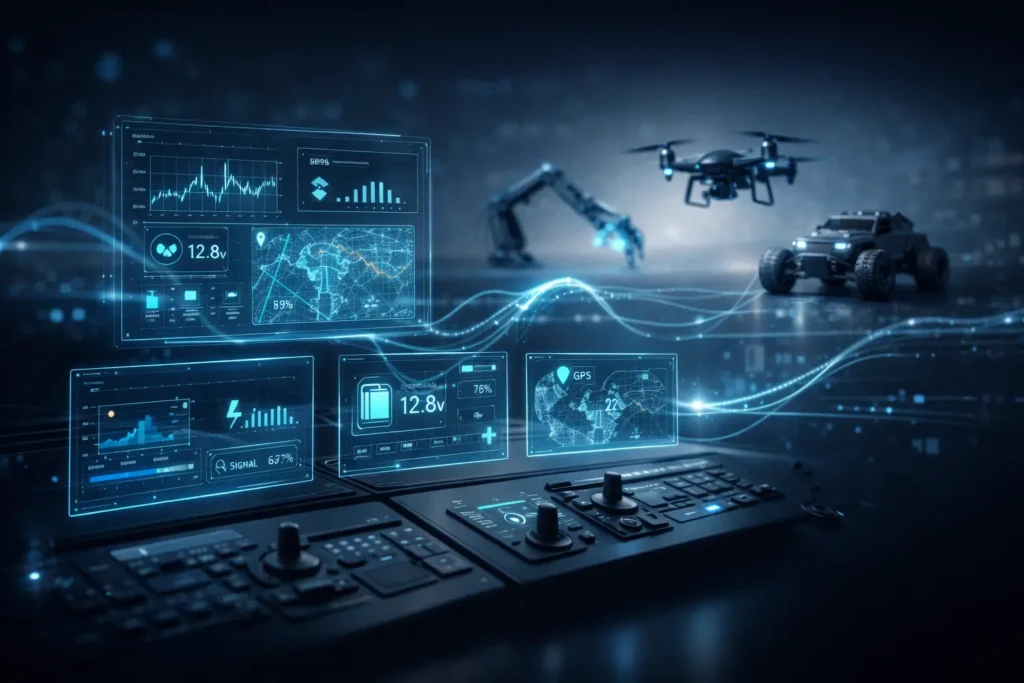
At its core, technology RC refers to modern systems that allow machines, vehicles, or devices to be controlled remotely using advanced electronics, wireless communication, and intelligent software. RC stands for “remote control,” but that simple phrase barely scratches the surface of what’s happening behind the scenes today.
Think of early RC like shouting instructions across a room. Modern technology RC is more like having a constant phone call, GPS tracking, health monitoring, and feedback loop all running at the same time. Instead of just sending “go forward” or “turn left,” today’s RC systems transmit rich data streams — speed, temperature, battery health, location, signal strength, and even video.
A helpful analogy is to compare old RC toys to modern smartphones. Both technically “communicate,” but one is dramatically more capable. Modern technology RC integrates:
- Digital radio frequencies instead of analog signals
- Microcontrollers and embedded software
- Sensors like gyroscopes, accelerometers, and cameras
- Two-way communication rather than one-way commands
This evolution is why technology RC now powers drones, autonomous vehicles, robotics, smart agriculture tools, medical devices, and defense systems — not just hobby toys.
Understanding this shift is crucial, because when people search for technology RC today, they’re often looking for solutions, not toys. They want reliability, scalability, and intelligence baked into the system.
How Technology RC Works Behind the Scenes
To really understand technology RC, it helps to look under the hood. While the user experience might feel simple — a controller, an app, or a dashboard — there’s a sophisticated chain of technology making it all possible.
Every modern RC system is built around five core components working together seamlessly.
First, there’s the input device. This could be a physical controller, a smartphone app, a computer interface, or even an AI-driven command system. This is where human intent begins — steering, activating functions, or setting automation rules.
Second, the transmitter converts those inputs into digital signals. Unlike older analog systems that were prone to interference, modern RC transmitters encode data packets with error correction and encryption. This is why you can fly drones miles away without losing control.
Third, the communication channel carries those signals. Most technology RC systems use 2.4GHz or 5.8GHz radio frequencies, Wi-Fi, cellular networks, or proprietary long-range protocols like LoRa. The choice here affects range, latency, and reliability.
Fourth, the receiver and control unit onboard the device interprets the signals. This is where microcontrollers or embedded computers translate commands into real actions — spinning motors, adjusting servos, activating sensors.
Finally, there’s feedback and telemetry. Modern technology RC doesn’t just listen; it talks back. Data flows from the device to the controller, providing real-time insight into performance and safety.
This closed-loop system is what makes today’s RC technology so powerful, precise, and trustworthy.
Benefits and Real-World Use Cases of Technology RC
The true value of technology RC becomes clear when you look at how widely it’s used and what problems it solves. This isn’t niche technology anymore — it’s foundational.
One of the biggest benefits is remote accessibility. Technology RC allows humans to operate machines in environments that are dangerous, distant, or impractical to access directly. Think disaster zones, high-altitude inspections, underwater exploration, or hazardous industrial sites.
Another major advantage is precision and repeatability. Digital RC systems can execute movements with incredible accuracy, often down to fractions of a millimeter. This is why RC-based robotics are used in manufacturing, surgery simulations, and research labs.
Technology RC also enables cost efficiency. Remote operation reduces labor costs, minimizes downtime, and lowers the risk of expensive mistakes. In agriculture, RC-guided equipment can monitor crops and apply treatments with minimal waste.
Some of the most common real-world applications include:
- Drones for photography, mapping, inspections, and delivery
- RC robotics in warehouses and factories
- Smart RC vehicles for research and education
- Military and defense reconnaissance systems
- Medical training simulators and teleoperation tools
What’s important to understand is that technology RC scales. The same principles apply whether you’re controlling a $200 RC car or a $200,000 industrial robot.
A Step-by-Step Guide to Getting Started With Technology RC
If you’re new to technology RC, the learning curve can feel intimidating — but it doesn’t have to be. The key is approaching it systematically rather than trying to understand everything at once.
Step one is define your purpose. Ask yourself what you want to control and why. A hobbyist racing RC cars has very different needs than a business using drones for inspections. Clarity here saves money and frustration later.
Step two is choose the right platform. Decide whether you need a ready-to-use system or a customizable setup. Beginners often benefit from integrated ecosystems, while advanced users may prefer modular components.
Step three involves learning the basics of control and safety. Modern technology RC systems include failsafes, geofencing, and signal monitoring. Understanding these features isn’t optional — it’s essential for safe operation.
Step four is practice in controlled environments. Simulators and test modes allow you to build muscle memory and confidence without risking equipment. This step is often skipped — and often regretted.
Finally, step five is optimize and expand. Once you’re comfortable, you can upgrade components, integrate sensors, or automate workflows. Technology RC rewards gradual mastery.
Following this step-by-step approach turns what feels complex into something manageable and genuinely enjoyable.
Tools, Platforms, and Technology RC System Comparisons
Choosing the right tools can make or break your experience with technology RC. The market is crowded, and not all solutions are created equal.
Free and entry-level systems are great for learning. They often include basic controllers, limited range, and fewer customization options. These are ideal for beginners, students, or casual users who want hands-on experience without a big investment.
Paid and professional-grade RC systems offer significantly more power. You’ll typically get:
- Extended range and stronger signal stability
- Advanced telemetry and analytics
- Modular hardware compatibility
- Better support and firmware updates
Popular categories of tools include:
- RC transmitters with programmable channels
- Flight controllers and vehicle control boards
- Simulation software for training
- Monitoring apps with real-time dashboards
The key recommendation here is honesty with yourself. Overbuying leads to wasted money, while underbuying leads to limitations and frustration. The best technology RC setup is the one that fits your actual use case — not the one with the most features.
Common Technology RC Mistakes (and How to Fix Them)
Even experienced users make mistakes with technology RC, and beginners often repeat the same ones. Knowing them upfront can save you time, money, and headaches.
One of the most common errors is ignoring signal limitations. Users assume “long range” means unlimited range. In reality, interference, obstacles, and regulations all affect performance. The fix is understanding your environment and choosing the right communication protocol.
Another frequent mistake is skipping calibration and testing. Modern RC systems rely on precise sensor data. If you skip setup steps, you’re inviting instability and crashes. Taking an extra hour upfront often prevents weeks of troubleshooting.
Many people also underestimate power management. Battery health, voltage drops, and load balancing matter. The solution is monitoring telemetry and never pushing equipment beyond safe limits.
Finally, there’s feature overload. Buying advanced systems without understanding them leads to misuse. The fix is simple: master the basics before enabling advanced features.
Mistakes aren’t failures — they’re part of the learning process — but smart users learn from others instead of repeating them.
The Future of Technology RC
Technology RC is evolving faster than most people realize. We’re moving from direct control toward intelligent assistance and autonomy. AI-driven stabilization, predictive maintenance, and automated navigation are already here.
In the near future, expect RC systems that learn user behavior, adapt to environments, and integrate seamlessly with cloud platforms. This will blur the line between “remote control” and “remote collaboration” between humans and machines.
For anyone investing time or money into technology RC today, this is good news. Skills learned now will transfer directly into future systems, making this one of the most future-proof technological domains to explore.
Conclusion: Why Technology RC Is Worth Understanding Now
Technology RC is no longer just a hobbyist niche or a technical curiosity. It’s a foundational technology shaping how we interact with machines, environments, and data from a distance.
By understanding how modern RC systems work, where they’re used, and how to approach them strategically, you position yourself ahead of the curve — whether for personal growth, creative projects, or professional opportunities.
If there’s one takeaway from this guide, it’s this: technology RC rewards curiosity, patience, and hands-on learning. Start small, learn deeply, and build confidently.
If you’ve worked with RC systems before or are just getting started, share your experience or questions — the conversation is often where the real learning happens.
FAQs
What does technology RC mean today?
Technology RC refers to modern remote control systems that use digital communication, sensors, and software to control machines remotely with precision and feedback.
Is technology RC only for hobbies?
No. While hobbies are common, technology RC is widely used in industries like agriculture, manufacturing, healthcare, and defense.
Do I need programming skills for technology RC?
Basic systems require no programming, but advanced customization and automation benefit greatly from coding knowledge.
What’s the difference between RC and automation?
RC involves human control at a distance, while automation allows systems to operate independently once programmed.
Is technology RC expensive to get started?
Entry-level systems are affordable, and costs scale with features and performance requirements.

Adrian Cole is a technology researcher and AI content specialist with more than seven years of experience studying automation, machine learning models, and digital innovation. He has worked with multiple tech startups as a consultant, helping them adopt smarter tools and build data-driven systems. Adrian writes simple, clear, and practical explanations of complex tech topics so readers can easily understand the future of AI.