If you pause for a moment and look around, you’ll notice something fascinating: almost everything you touch, use, or rely on today is the result of centuries—sometimes thousands of years—of technological evolution. The phone in your hand, the electricity powering your home, even the system that brings clean water to your tap are all chapters in the long story of the evolution of technology.
Technology didn’t just appear overnight. It grew slowly, shaped by human curiosity, survival needs, failures, experiments, and breakthroughs. Early humans didn’t set out to “invent technology” as we define it today. They simply wanted to hunt better, stay warm, communicate, and protect their families. Yet those simple goals sparked innovations that eventually led to machines, computers, the internet, and now artificial intelligence.
Understanding the evolution of technology is more than a history lesson. It helps us make sense of where we are today and where we’re heading tomorrow. It explains why societies change, how economies grow, and why new skills constantly replace old ones. In this guide, you’ll explore how technology evolved across different eras, what benefits it brought, how it’s used in real life, and what lessons we can learn to navigate the future more wisely.
Whether you’re a student, professional, content creator, or simply curious, this deep dive will give you clarity, context, and practical insight into one of the most powerful forces shaping human life.
Evolution of Technology: A Simple Explanation for Beginners
At its core, the evolution of technology is the story of how humans create tools and systems to solve problems more efficiently over time. Think of it like upgrading your skills in a video game. You start with basic tools, learn from mistakes, unlock better equipment, and eventually handle complex challenges with ease.
In the earliest days, technology meant stone tools, fire, and simple shelters. These were survival technologies—tools designed to keep humans alive. As communities grew, technology expanded to agriculture, pottery, and irrigation. This allowed people to settle in one place, store food, and build civilizations.
Fast forward a few centuries, and technology became more mechanical. The invention of the wheel, writing systems, and basic machines transformed trade, communication, and governance. Later, during the Industrial Revolution, machines powered by steam and electricity replaced manual labor on a massive scale.
In modern times, technology has shifted from physical tools to digital systems. Computers, smartphones, cloud computing, and artificial intelligence now dominate daily life. Each stage of technological evolution builds on the previous one, just like layers in a foundation.
A helpful way to understand this is to imagine technology as an extension of human ability. Tools extend our hands, vehicles extend our legs, communication tech extends our voice, and computers extend our minds. The evolution of technology is essentially the evolution of human capability itself.
The Major Stages in the Evolution of Technology
Early Human Tools and Survival Technologies
The first major phase in the evolution of technology began with simple tools made from stone, wood, and bone. These tools helped early humans hunt animals, cut food, and protect themselves. Fire was another revolutionary breakthrough, offering warmth, cooked food, and safety from predators.
These technologies may seem primitive today, but they were transformative at the time. They extended human lifespan, supported social cooperation, and laid the groundwork for culture and learning. Without these early innovations, human civilization would never have progressed.
Agricultural and Ancient Technologies
The shift from hunting-gathering to farming was one of the most important moments in technological evolution. Agriculture tools like plows, irrigation systems, and storage methods allowed humans to produce surplus food. This surplus freed people to pursue other roles, such as craftsmanship, trade, and leadership.
Ancient civilizations developed technologies like calendars, mathematics, writing systems, and early engineering structures. Roads, bridges, and aqueducts improved transportation and sanitation. These technologies weren’t just practical—they shaped laws, religion, and education.
Industrial Revolution and Mechanization
The Industrial Revolution marked a dramatic acceleration in the evolution of technology. Machines powered by steam engines replaced manual labor in factories. Textile production, mining, and transportation became faster and cheaper.
This era introduced mass production, railways, and mechanical tools that reshaped economies and societies. While it improved productivity and living standards, it also brought challenges like pollution and worker exploitation—reminding us that technological progress often comes with trade-offs.
The Digital Age and Information Technology
The invention of computers and the internet ushered in the digital age. Information that once took weeks to share could now travel instantly across the globe. Businesses became data-driven, communication became global, and knowledge became more accessible than ever.
Figures like Tim Berners-Lee played a crucial role in shaping how information flows today. The digital revolution didn’t just change tools—it changed behavior, relationships, and even how we think.
Modern and Emerging Technologies
Today, the evolution of technology is driven by artificial intelligence, robotics, biotechnology, and renewable energy. These technologies don’t just assist humans—they can learn, adapt, and make decisions.
Smart systems now power healthcare diagnostics, financial markets, transportation, and content creation. This stage of evolution raises important questions about ethics, employment, and human identity, making it one of the most complex and exciting eras yet.
Benefits and Real-World Use Cases of Technological Evolution
One of the biggest benefits of the evolution of technology is efficiency. Tasks that once took days can now be completed in seconds. For example, sending a letter across continents once required months. Today, a message arrives instantly.
In healthcare, technology saves lives through advanced imaging, robotic surgery, and data-driven diagnostics. Doctors can detect diseases earlier and treat patients more precisely. In education, online platforms allow learners from remote areas to access world-class knowledge.
Businesses benefit from automation, analytics, and global connectivity. Small startups can now compete with large corporations using digital tools. Even daily life has improved—navigation apps, online banking, and smart homes make routines smoother and safer.
Technology also empowers creativity. Content creators, designers, and writers can reach global audiences with minimal resources. As a content writer, you’ve likely experienced how digital tools streamline research, editing, and publishing—clear evidence of technology enhancing human potential.
Step-by-Step Guide: How Technology Typically Evolves
Understanding how technology evolves helps predict trends and adapt faster. While every innovation is unique, most follow a similar pattern.
First comes a problem or need. Humans face a limitation—slow communication, inefficient labor, or lack of resources. This creates demand for a solution.
Next is experimentation. Early versions are often imperfect, expensive, or limited. Think of early computers that filled entire rooms and performed basic calculations.
Then comes improvement and adoption. As technology becomes more reliable and affordable, more people use it. Feedback drives upgrades and variations.
Finally, integration occurs. Technology becomes part of daily life, often invisible. Electricity is a perfect example—we don’t think about it until it’s gone.
Best practices during this process include ethical evaluation, skill development, and adaptability. Tools evolve, but human judgment remains essential.
Tools, Comparisons, and Recommendations in the Modern Tech Era
Today’s technological landscape offers countless tools across industries. Free tools like open-source software allow experimentation, while paid tools offer advanced features and support.
For example, cloud-based platforms provide scalability for businesses without heavy infrastructure costs. AI-powered tools help with data analysis, writing assistance, and customer service. Paid options usually offer better customization and security, while free tools are ideal for learning and testing.
The key is alignment. Choose tools that match your goals, skills, and budget. Avoid chasing trends blindly. Technology should serve your needs, not overwhelm them.
Expert insight suggests starting small, mastering basics, and scaling gradually. This approach reduces waste and increases long-term value.
Common Mistakes in Understanding and Using Technology (and How to Fix Them)
A frequent mistake is assuming newer technology is always better. While innovation is valuable, not every new tool fits every situation. The fix is critical evaluation—ask whether a tool truly solves your problem.
Another mistake is ignoring the learning curve. Many abandon tools too quickly. Investing time in proper learning often unlocks real benefits.
Overdependence is also risky. Technology should enhance human skills, not replace thinking. Balance automation with creativity and judgment.
Finally, neglecting ethics can cause harm. Data privacy, bias, and environmental impact must be considered. Responsible use ensures sustainable progress.
The Future of the Evolution of Technology

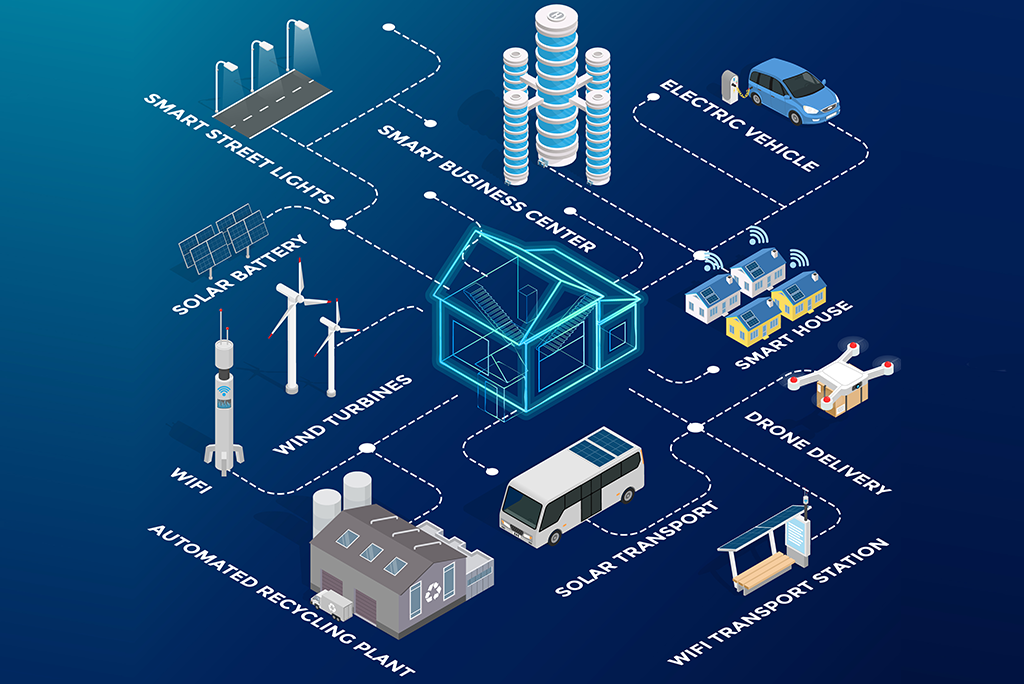

Looking ahead, the evolution of technology will likely focus on integration rather than expansion. Technologies will become more connected, intelligent, and human-centric. Smart cities, personalized medicine, and sustainable energy solutions will redefine daily life.
Organizations like NASA and global research institutions continue to push boundaries in space exploration, climate science, and advanced computing. These efforts influence not just science, but everyday technology.
The future will reward adaptability. Those who understand technological evolution—not just how to use tools, but why they exist—will thrive in changing environments.
Conclusion: What the Evolution of Technology Teaches Us
The evolution of technology is ultimately a story about humans—our needs, creativity, and resilience. From stone tools to smart machines, each innovation reflects a desire to live better, faster, and smarter.
By understanding this journey, we gain perspective. We learn that change is constant, progress is layered, and responsibility matters. Technology is neither good nor bad by default—it’s how we use it that defines its impact.
As you explore, create, or adopt new technologies, remember this: every tool is part of a much larger story, and you are now part of its next chapter. Stay curious, stay informed, and use technology with purpose.
FAQs
What is meant by the evolution of technology?
It refers to the gradual development and improvement of tools, systems, and innovations that help humans solve problems over time.
Why is the evolution of technology important?
It shapes societies, economies, education, healthcare, and daily life by improving efficiency, communication, and quality of living.
What are the main stages of technological evolution?
Key stages include early tools, agricultural technologies, industrial machines, digital systems, and modern intelligent technologies.
How does technology evolve over time?
It typically starts with a need, followed by experimentation, improvement, adoption, and full integration into daily life.
Does technological evolution create challenges?
Yes. Issues like job displacement, privacy concerns, and environmental impact require responsible management.

Adrian Cole is a technology researcher and AI content specialist with more than seven years of experience studying automation, machine learning models, and digital innovation. He has worked with multiple tech startups as a consultant, helping them adopt smarter tools and build data-driven systems. Adrian writes simple, clear, and practical explanations of complex tech topics so readers can easily understand the future of AI.