If you drive for work, run a small business, freelance, or even volunteer regularly, the IRS mileage rate 2026 is one of those numbers that quietly but powerfully affects your taxes. It can mean hundreds—or thousands—of dollars more or less on your return, depending on how well you understand and use it.
I’ve seen this firsthand. Two people can drive the same number of miles in the same year, yet one captures every allowable deduction while the other leaves money on the table simply because they didn’t track miles correctly or misunderstood the rules. This guide is written to make sure you’re firmly in the first group.
By the end of this article, you’ll understand what the IRS mileage rate is, how the 2026 rate is determined, how to use it correctly, common traps to avoid, and the best tools to make mileage tracking painless. Whether you’re a seasoned business owner or filing mileage for the first time, this is meant to be practical, clear, and immediately useful.
What is the IRS mileage rate and why it matters in 2026
At its core, the IRS mileage rate is a standard per-mile amount that the Internal Revenue Service allows taxpayers to deduct for the cost of using a vehicle for specific purposes. Instead of tracking every gallon of gas, oil change, repair, tire replacement, and depreciation detail, you multiply your qualifying miles by the applicable rate.
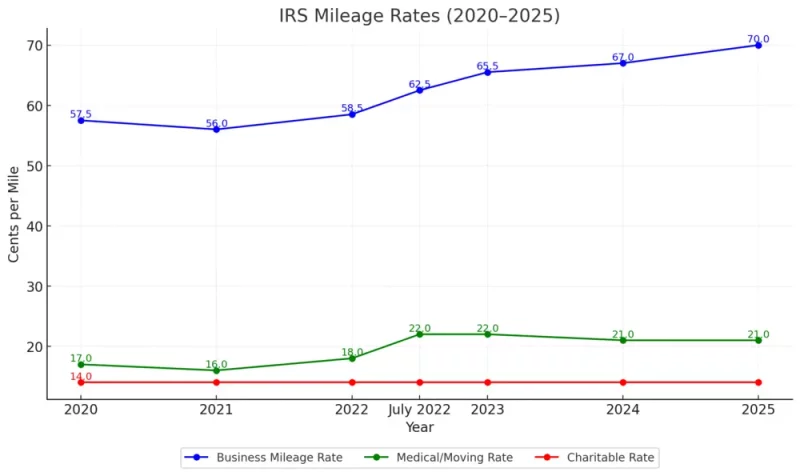
For 2026, the concept stays the same even though the exact rate may change. The IRS reviews data on fuel prices, vehicle maintenance costs, insurance, and depreciation trends, then publishes updated rates—usually near the end of the prior year. These rates apply to different categories of driving, such as:
- Business mileage
- Medical or moving mileage (where applicable)
- Charitable mileage
Why this matters more than ever in 2026 is simple: vehicle costs remain volatile. Fuel prices fluctuate, maintenance costs are higher than they were a decade ago, and more people are working independently or in hybrid roles. Mileage deductions are often one of the largest legitimate tax write-offs available to self-employed individuals and small businesses.
Understanding the IRS mileage rate isn’t just about compliance—it’s about fairness. You’re allowed to recover a portion of the real costs of using your personal vehicle to generate income or serve others. The mileage rate is the IRS’s shortcut to making that fair without drowning taxpayers in paperwork.
How the IRS sets the mileage rate for 2026
One of the biggest misconceptions I hear is that the IRS “picks a number.” In reality, the IRS mileage rate for 2026 is the result of a detailed cost analysis. Each year, the IRS reviews nationwide data on what it actually costs to own and operate a vehicle.
Here’s what typically goes into that calculation:
- Average fuel prices across regions
- Maintenance and repair costs
- Insurance premiums
- Vehicle depreciation trends
- Registration and licensing fees
The IRS weighs these costs against prior years and economic conditions. If fuel and maintenance costs rise significantly, the rate often increases. If costs stabilize or drop, the rate may stay flat or rise modestly.
This matters because the mileage rate is meant to approximate real-world vehicle expenses, not inflate or undercut them. For 2026, many taxpayers expect the rate to reflect continued cost pressures, but until the IRS officially releases the number, it’s important to plan conservatively.
A practical tip: if you’re budgeting for 2026 and estimating deductions, use the most recent IRS mileage rate as a placeholder. Once the official 2026 rate is released, you can adjust your projections and bookkeeping.
Who can use the IRS mileage rate in 2026
The IRS mileage rate isn’t just for one type of taxpayer. In 2026, it applies to a wide range of people—as long as the driving qualifies.
Common groups who benefit include:
- Self-employed individuals and freelancers
- Small business owners
- Independent contractors and gig workers
- Employees who are reimbursed by employers using the standard rate
- Volunteers driving for qualified charities
- Taxpayers with qualifying medical travel
The key factor is purpose. Business mileage generally includes driving from your office to a client meeting, between job sites, or to purchase supplies. What it does not include is commuting from home to your regular workplace. That’s one of the most common areas where people slip up.
For charities, the mileage rate is usually lower and set by statute, not annual cost studies. Medical mileage has its own rate and eligibility rules as well. Understanding which category your miles fall into is essential because applying the wrong rate can lead to errors or audits.
If you’re unsure whether a trip qualifies, a good rule of thumb is to ask: “Was this drive primarily and directly related to business, medical necessity, or charitable service?” If the answer is yes—and you can document it—you’re likely on solid ground.


Step-by-step: how to use the IRS mileage rate correctly in 2026
Using the IRS mileage rate sounds simple, but the details matter. Here’s a clear, practical process you can follow throughout 2026.
First, decide whether the standard mileage rate or actual expenses make more sense for you. The mileage rate is simpler, while actual expenses can yield a larger deduction in some cases. Once you choose the standard rate for a vehicle in its first year of service, switching later can be restricted, so choose carefully.
Second, track every qualifying mile. This is non-negotiable. The IRS expects contemporaneous records, meaning logs kept close to the time of travel. Your log should include:
- Date of the trip
- Starting and ending locations
- Purpose of the trip
- Miles driven
Third, total your qualifying miles at year-end. Separate business, medical, and charitable miles clearly.
Fourth, multiply each category by the applicable IRS mileage rate for 2026. This gives you your deduction amount.
Finally, report the deduction correctly on your tax return. For business owners, this typically flows through Schedule C or the relevant business return. For charitable or medical mileage, different forms and limitations apply.
Best practices that make life easier:
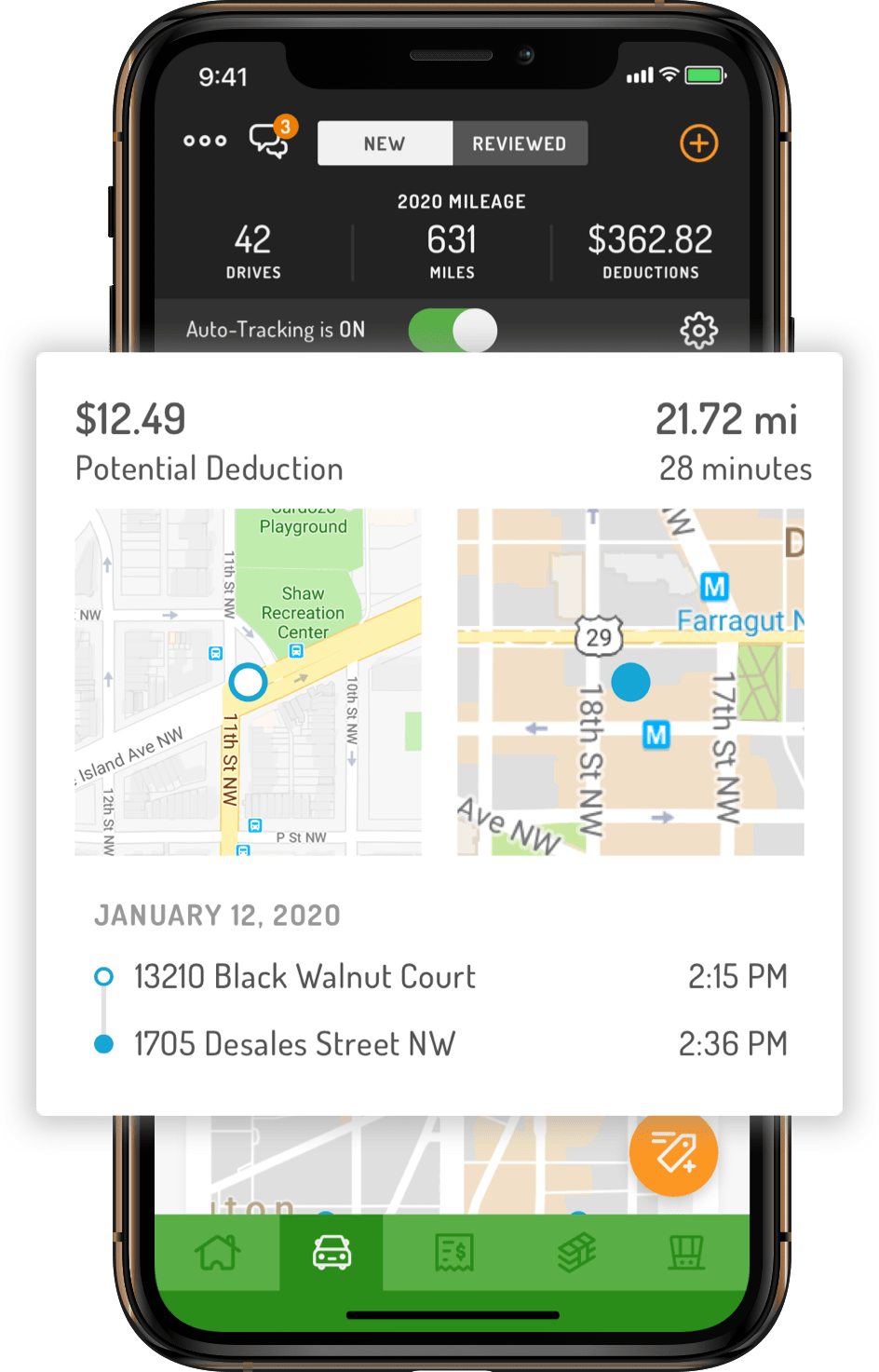
- Use a dedicated mileage tracking app
- Log trips automatically whenever possible
- Review your logs monthly, not annually
- Keep backup records for at least three years
This system turns mileage from a tax-time scramble into a routine habit.
Benefits and real-world use cases of the IRS mileage rate
The biggest benefit of the IRS mileage rate is simplicity with legitimacy. You get a deduction that reflects average vehicle costs without having to save every receipt from the year.
For a freelance consultant who drives 12,000 business miles in 2026, the mileage rate can translate into a meaningful reduction in taxable income. For a rideshare driver or real estate agent, mileage deductions often rank among their largest expenses.
Another overlooked benefit is predictability. Once the rate is published, you know exactly how much each mile is “worth” from a tax perspective. That helps with pricing services, planning travel, and estimating quarterly taxes.
There’s also a compliance advantage. The IRS is deeply familiar with the mileage rate and expects to see it used correctly. Clean logs and straightforward calculations tend to hold up well under scrutiny compared to messy actual-expense claims.
In real life, I’ve seen people underestimate just how much mileage adds up. Short drives—five miles here, eight miles there—compound quickly over a year. The mileage rate turns those small trips into a tangible financial benefit when tracked consistently.
Standard mileage rate vs actual expenses: which is better in 2026?
This is one of the most important decisions you’ll make regarding vehicle deductions. The standard mileage rate offers simplicity, while the actual expense method offers precision.
With the standard mileage rate, you deduct a flat amount per mile. You don’t separately deduct gas, repairs, insurance, or depreciation—they’re baked into the rate.
With actual expenses, you track:
- Fuel
- Maintenance and repairs
- Insurance
- Registration fees
- Depreciation or lease payments
You then deduct the business-use percentage of those costs.
In 2026, the mileage rate often favors drivers with:
- Fuel-efficient vehicles
- Lower maintenance costs
- High annual mileage
Actual expenses may work better if you:
- Drive a newer or expensive vehicle
- Have high repair or insurance costs
- Use the vehicle heavily for business
The catch is recordkeeping. Actual expenses require meticulous documentation, and mistakes can be costly. Many taxpayers start with actual expenses thinking it will yield a bigger deduction, then regret the administrative burden.
A smart approach is to estimate both methods early in the year. Even a rough comparison can point you in the right direction before you’re locked into a method.
Tools, apps, and recommendations for mileage tracking
Good tools turn mileage tracking from a chore into a background process. In 2026, you have more options than ever.
Free options include basic spreadsheet templates and notebook logs. These work, but they rely heavily on discipline.
Paid mileage tracking apps automate much of the process by:
- Detecting trips via GPS
- Letting you classify drives with a swipe
- Generating IRS-ready reports
Popular features to look for include:
- Automatic trip detection
- Cloud backups
- Easy export for tax software
- Multi-vehicle support
For small business owners, some accounting platforms integrate mileage tracking directly with expense reports, saving even more time.
My recommendation: if you drive more than a few thousand miles a year for work, a paid app is usually worth it. The time saved and accuracy gained often outweigh the modest subscription cost.
Common mistakes with the IRS mileage rate and how to fix them
Mileage deductions are an audit hotspot—not because they’re suspicious, but because they’re frequently done wrong.
One common mistake is including commuting miles. Driving from home to your regular workplace is not deductible, even if you’re self-employed in some cases. The fix is understanding what counts as a “regular place of business.”
Another error is reconstructing mileage logs at year-end. The IRS wants contemporaneous records. If you’ve fallen behind, start logging now and use calendar entries and emails to reasonably reconstruct recent trips—but don’t make a habit of it.
Mixing methods incorrectly is another trap. You can’t freely switch between standard mileage and actual expenses without understanding the rules. The fix is planning your method choice early and sticking with it unless a legitimate switch is allowed.
Finally, vague trip descriptions can hurt you. “Client meeting” is better than nothing, but “Meeting with ABC Co. regarding Q2 project” is much stronger.
Planning ahead: how to prepare for the IRS mileage rate 2026
Even before the IRS officially announces the mileage rate for 2026, you can prepare. Set up your tracking system now. Educate anyone on your team who drives on what qualifies. Review last year’s mileage patterns to estimate what 2026 might look like.
If you’re growing your business or changing how you work, revisit whether the mileage rate or actual expenses makes more sense. A change in vehicle, work location, or driving volume can shift the math.
Proactive planning turns the mileage rate from a reactive deduction into a strategic advantage.
Conclusion: making the IRS mileage rate work for you in 2026
The IRS mileage rate 2026 isn’t just a tax detail—it’s a practical tool for protecting your income. When used correctly, it rewards you for the real costs of using your vehicle to earn money, help others, or meet medical needs.
The key is consistency: track miles accurately, understand what qualifies, choose the right method, and use reliable tools. Do that, and mileage deductions become one of the simplest, cleanest wins in your tax strategy.
If you haven’t been tracking mileage diligently, consider this your reset point. Start now, stay organized, and let the IRS mileage rate do what it’s designed to do—make things fair.
FAQs
What is the IRS mileage rate for 2026?
The IRS typically announces the official mileage rates near the end of the prior year. Until then, taxpayers often use the most recent rate for planning and update once the 2026 rate is published.
Can I deduct mileage if I work from home?
Yes, if your home qualifies as your principal place of business, trips from home to other work locations may count as business mileage.
Is commuting ever deductible under the IRS mileage rate?
Generally, no. Commuting from home to a regular workplace is not deductible, even if you perform some work tasks while driving.
Do I need receipts if I use the standard mileage rate?
You don’t need receipts for gas or repairs, but you do need a detailed mileage log showing dates, miles, and business purpose.
Can I switch from actual expenses to the mileage rate in 2026?
It depends on when the vehicle was placed in service and how it’s been deducted previously. Switching methods is allowed in some cases but restricted in others.

Michael Grant is a business writer with professional experience in small-business consulting and online entrepreneurship. Over the past decade, he has helped brands improve their digital strategy, customer engagement, and revenue planning. Michael simplifies business concepts and gives readers practical insights they can use immediately.