
If you’ve been researching universities that promise innovation, career readiness, and real-world relevance, you’ve probably noticed how often the Florida Institute of Technology comes up in serious conversations. Not just in glossy brochures or ranking lists—but in discussions among engineers, tech recruiters, pilots, scientists, and students who care deeply about what happens after graduation.
This guide is written for people who don’t want vague marketing language. It’s for students, parents, and professionals who want to understand what studying at the Florida Institute of Technology actually feels like, how it performs in the real world, and whether it’s worth the time, money, and commitment.
I’m not here to sell you a dream. I’m here to help you make a smart decision—based on outcomes, culture, and long-term value.
By the end of this article, you’ll understand:
- What makes Florida Tech different from traditional universities
- Who thrives here—and who probably won’t
- How academics, research, and career pipelines actually work
- What students get right, what they struggle with, and what most rankings miss
If you’re serious about STEM, aviation, business, cybersecurity, psychology, or applied sciences—and you want a degree that works in the real world—this is for you.
Florida Institute of Technology Explained: What It Really Is (And What It Isn’t)
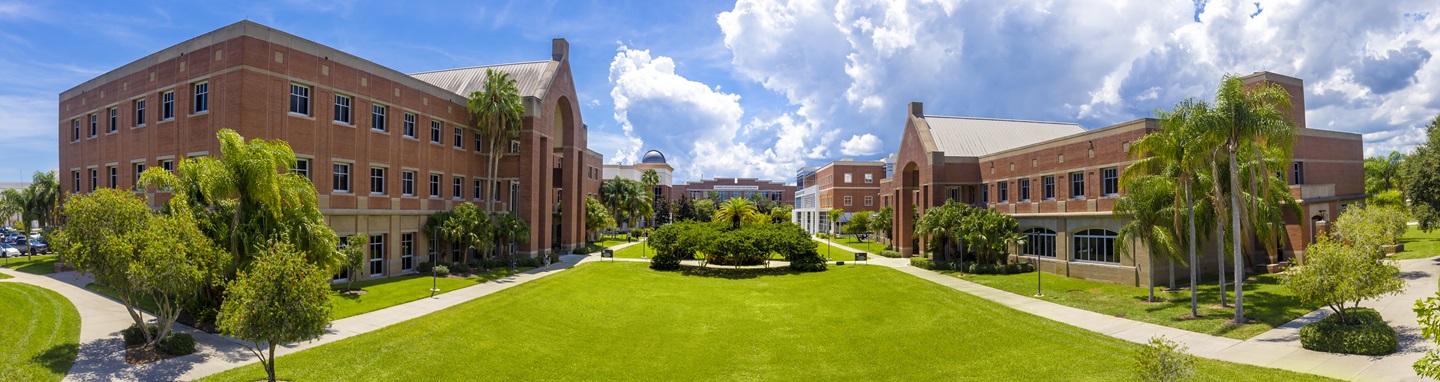

At its core, the Florida Institute of Technology—often called Florida Tech—is a private research university built around applied science and technology. It was founded in 1958 to support scientists and engineers working on the U.S. space program along Florida’s Space Coast. That origin story still matters today.
This is not a liberal arts university that later added STEM programs. Florida Tech was engineered from day one for technical disciplines.
What Florida Tech Is
- A STEM-forward research university with strong industry alignment
- A school where faculty are often researchers first, teachers second
- A place where hands-on learning is baked into the curriculum
- A university that prioritizes employability and applied skills
What Florida Tech Is Not
- A traditional “college town” party school
- A theory-heavy, purely academic environment
- A place where you can coast through classes
- A university focused on sports culture or mass enrollment
If you thrive in structured environments, enjoy solving real problems, and prefer substance over spectacle, Florida Tech tends to fit well. If you want a big football culture, Greek life dominance, or purely abstract learning, it may feel underwhelming.
This clarity—knowing exactly what it is and isn’t—is one of Florida Tech’s strengths.
Why Florida Institute of Technology Matters Right Now (More Than Ever)
Higher education is at an inflection point. Degrees alone no longer guarantee jobs. Employers want proof of competence, not just transcripts. This is where Florida Institute of Technology quietly outperforms many better-known schools.
The university sits in a unique ecosystem:
- Minutes from aerospace and defense contractors
- Close to NASA’s Kennedy Space Center
- Integrated with Florida’s growing tech, aviation, and cybersecurity sectors
Students aren’t just studying concepts—they’re surrounded by the industries they plan to enter.
Real-World Relevance, Not Academic Theater
Many universities talk about “career readiness.” Florida Tech operationalizes it.
- Senior design projects often involve industry-sponsored problems
- Internships are embedded into degree paths
- Faculty frequently bring consulting and research experience into classrooms
- Programs evolve quickly in response to market demand
This responsiveness matters in fast-changing fields like AI, cybersecurity, aerospace engineering, and data science.
Who Benefits Most From Florida Institute of Technology?
Florida Tech is not for everyone—but for the right students, it’s transformative.
Ideal Students Tend to Be:
- STEM-focused and career-driven
- Comfortable with academic rigor
- Curious, analytical, and hands-on
- Interested in research, labs, and applied projects
- Focused on long-term career ROI
Professionals and Adult Learners
Florida Institute of Technology also serves:
- Working professionals upgrading credentials
- Military-affiliated students
- Graduate students seeking specialization
- Online learners needing flexibility without sacrificing rigor
The school’s global online programs extend its reach far beyond Florida, while maintaining the same academic standards.
Academic Programs at Florida Institute of Technology: Where It Truly Shines
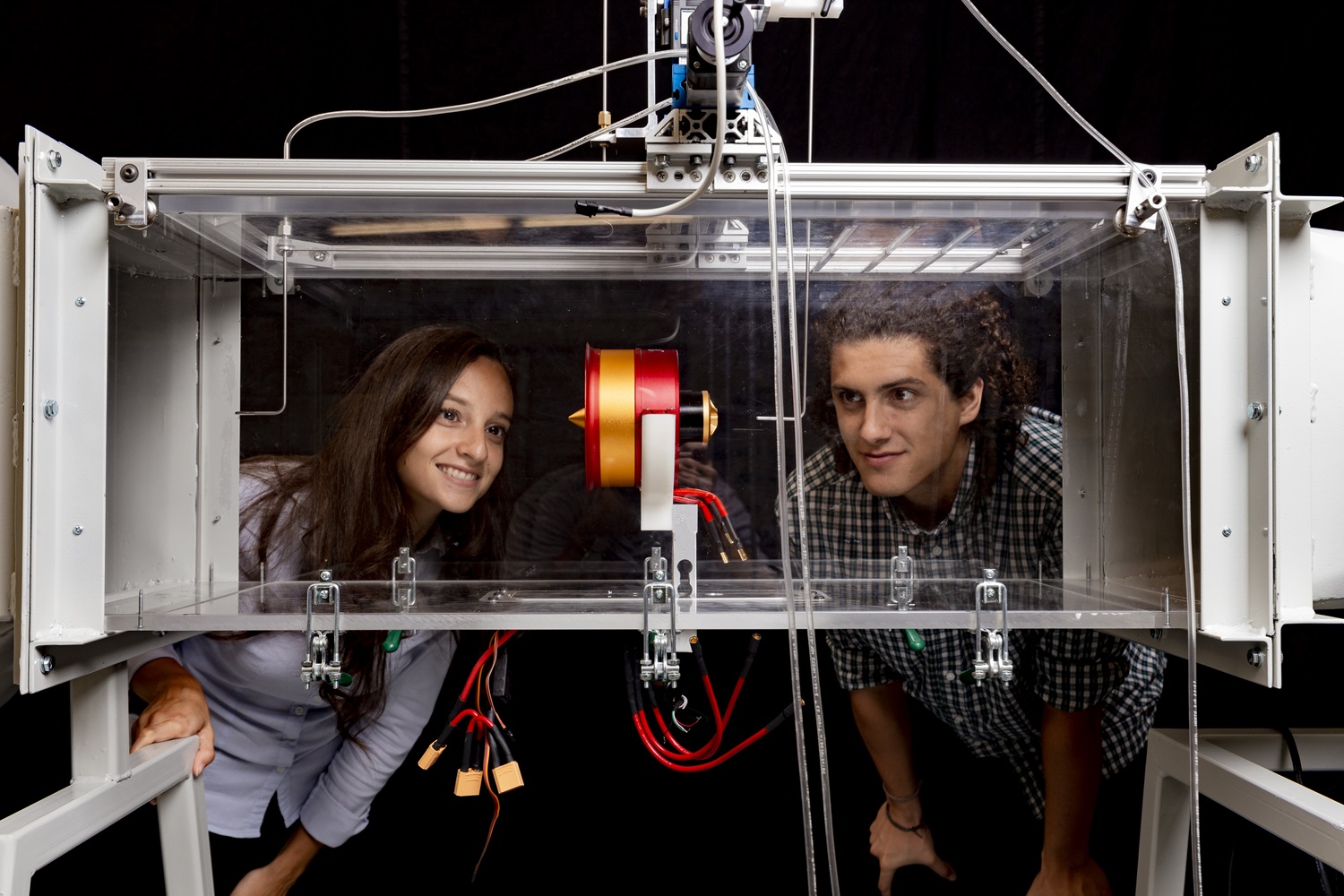
Florida Tech offers a wide range of programs, but its reputation is strongest in specific areas.
Engineering & Applied Sciences
This is Florida Tech’s backbone.
Popular disciplines include:
- Aerospace Engineering
- Mechanical Engineering
- Electrical & Computer Engineering
- Civil Engineering
- Ocean Engineering
Students consistently report that coursework is demanding—but aligned with industry expectations. You won’t memorize formulas for exams and forget them later. You’ll use them.
Computer Science, Cybersecurity & IT
Florida Tech has invested heavily here.
Strengths include:
- Cybersecurity programs aligned with national standards
- AI, data science, and software engineering tracks
- Strong ties to defense and private-sector tech firms
- Emphasis on secure systems and applied computing
Graduates often step directly into roles that would otherwise require years of experience.
Aviation & Aeronautics
Few universities integrate aviation as deeply as Florida Tech.
- Flight training alongside academic coursework
- Aviation management programs
- Human factors and aviation safety research
- Proximity to major aerospace operations
This isn’t just flight school—it’s aviation as a science and business.
Business, Psychology & Interdisciplinary Fields
While known for STEM, Florida Tech’s:
- Industrial/organizational psychology
- Technology management
- Applied behavior analysis
- Logistics and supply chain programs
are quietly strong—especially where business intersects with science and technology.
A Step-by-Step Look at the Florida Tech Student Experience
Step 1: Admission & Onboarding
Florida Tech looks beyond GPAs. Admissions considers:
- Academic rigor
- STEM preparedness
- Motivation and fit
Students are quickly oriented toward:
- Advising
- Career planning
- Research opportunities
Step 2: Early Coursework (Foundations)
Expect:
- Math and science intensity
- Smaller class sizes than public universities
- Direct access to professors
This phase filters out students looking for shortcuts. That’s intentional.
Step 3: Hands-On Learning & Research
Labs, simulations, and projects increase every year.
Students often:
- Join research teams early
- Collaborate with faculty on funded projects
- Work with real datasets, systems, and equipment
Step 4: Internships & Industry Exposure
Florida Tech’s location and reputation open doors.
- Internship pipelines with aerospace, defense, and tech firms
- Career fairs that are targeted—not generic
- Faculty recommendations that carry real weight
Step 5: Capstone & Career Launch
Senior projects feel less like schoolwork and more like consulting engagements.
Graduates leave with:
- Portfolios, not just resumes
- References who know their work
- Confidence built from solving real problems
Tools, Resources & What Actually Helps Students Succeed
Florida Tech provides resources—but knowing how to use them matters.
On-Campus Strengths
- Evans Library (excellent technical research support)
- Career management services tailored to STEM fields
- Modern labs and simulation environments
What Successful Students Do Differently
- Start internships early
- Build relationships with professors
- Use tutoring before they “need” it
- Treat projects like professional work
The school rewards initiative more than passive compliance.
Common Mistakes Students Make at Florida Institute of Technology (And How to Avoid Them)
Mistake 1: Underestimating the Workload
This isn’t busywork—it’s deep work.
Fix: Treat school like a full-time job.
Mistake 2: Ignoring Career Prep Until Senior Year
By then, it’s late.
Fix: Start internships and networking in year one or two.
Mistake 3: Staying Isolated
Florida Tech is collaborative—but you must engage.
Fix: Join research groups, clubs, and study teams.
Mistake 4: Choosing a Program Without Understanding Outcomes
Not all degrees have the same ROI.
Fix: Ask about alumni placements and internships.
Is Florida Institute of Technology Worth the Cost?
This is the question most families hesitate to ask out loud.
Florida Tech is a private university. Tuition is not cheap. But value is about outcomes, not sticker price.
When It’s Worth It
- You graduate with in-demand skills
- You leverage internships and research
- You enter technical fields with strong salaries
When It Might Not Be
- You want a purely social college experience
- You’re unsure about your major
- You’re unwilling to engage deeply
Florida Tech rewards commitment. It’s not forgiving of disengagement.
Online Programs at Florida Institute of Technology: Legit or Lesser?
Florida Tech’s online programs are not “watered down.”
They’re designed for:
- Working professionals
- Military students
- International learners
The same faculty often teach both formats, and assessments emphasize applied mastery—not participation points.
For self-disciplined learners, online Florida Tech degrees can be extremely powerful.
Florida Tech vs Other Universities: A Practical Comparison
Instead of prestige chasing, Florida Tech competes on:
- Skill relevance
- Research access
- Industry alignment
Compared to large public universities:
- Smaller classes
- More faculty access
- Less bureaucracy
Compared to elite private schools:
- More applied focus
- Less theory-for-theory’s-sake
It occupies a niche—and does it well.
Conclusion: Who Should Choose Florida Institute of Technology?
Florida Institute of Technology is for builders, problem-solvers, and people who want their education to do something.
If you want:
- Skills that translate into jobs
- Faculty who know industry
- A serious academic environment
- A clear return on investment
Florida Tech deserves a place at the top of your list.
It won’t hand you success—but it gives you the tools to earn it.
If you’re willing to put in the work, the payoff can be substantial.
FAQs
Is Florida Institute of Technology a good school?
Yes—especially for STEM, engineering, aviation, and applied sciences with strong career outcomes.
Is Florida Tech hard?
Academically, yes. It’s rigorous by design.
Is Florida Institute of Technology respected by employers?
Very much so, particularly in aerospace, defense, tech, and engineering sectors.
Does Florida Tech offer good internships?
Yes. Location and industry ties are major advantages.
Is Florida Tech good for international students?
Yes, with strong support services and globally recognized programs.

Adrian Cole is a technology researcher and AI content specialist with more than seven years of experience studying automation, machine learning models, and digital innovation. He has worked with multiple tech startups as a consultant, helping them adopt smarter tools and build data-driven systems. Adrian writes simple, clear, and practical explanations of complex tech topics so readers can easily understand the future of AI.



Slot enthusiasts will absolutely fall in love with how diverse the collection is over here. I appreciate how the site balances classic fruit machines with the latest video slots so there is never a dull moment. The payout speed is impressive and I always feel respected as a loyal customer. It is rare to find a platform that combines entertainment with genuine fairness like this. hv777slot
Downloaded the app this morning and the performance is incredibly stable even on slower networks. Bonuses roll out regularly and the customer chat is always available. It has become my go to spot for evening entertainment. Play now on bdl89apklogin
If you are chasing quality gaming experiences this is the place to be. bdk9game offers a fantastic selection with fair odds and quick payouts. My friends and I have been playing here regularly and the vibe is always positive. bdk9game