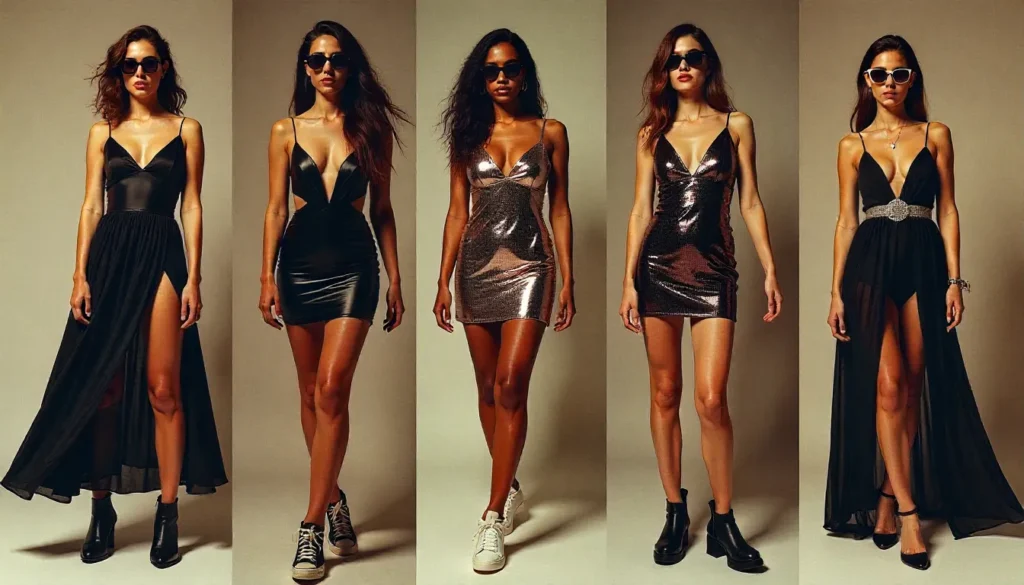
There’s a specific moment most people recognize before a night out. You’re dressed, the playlist is on, the group chat is buzzing and yet you’re standing still, looking at yourself, wondering if what you’re wearing actually works. Not just looks good, but works. Will it be comfortable in an hour? Will it still feel right under club lights? Will it match the place you’re going, not just the mirror you’re standing in front of?
That moment is exactly why choosing the right clubbing outfit matters more than most fashion advice admits. Clubbing isn’t a photoshoot. It’s heat, movement, crowds, sound, energy, and unpredictability. The best clubbing outfits are the ones that support all of that while still making you feel confident, attractive, and fully yourself.
This article is written for real people who actually go out. Not just once, but often enough to know that style and comfort have to coexist. Whether you’re new to clubbing or refining your personal look, this guide focuses on what genuinely works across venues, seasons, body types, and personal styles without rigid rules or forced trends.
What a Clubbing Outfit Is Really About
At its core, a clubbing outfit is not about impressing strangers. It’s about removing friction from your night. When your outfit fits properly, breathes, moves, and suits the venue, your attention shifts outward to the music, the people, the moment.
A good clubbing outfit does three things well. It aligns with the vibe of the club, it supports movement and comfort, and it reflects your identity without feeling like a costume. When any one of these is missing, you feel it immediately. You adjust, you hesitate, you lose presence.
Understanding this changes how you get dressed. You stop chasing “perfect” and start choosing “effective.”
Reading the Club Before You Choose the Outfit
One of the most overlooked skills in nightlife fashion is reading the room before you enter it. Not all clubs operate on the same visual language, and ignoring that can make even a stylish outfit feel wrong.
High-end or upscale clubs tend to favor polish. These venues reward clean silhouettes, intentional styling, and outfits that look finished. Loud logos, athletic wear, or overly casual pieces often feel out of place here.
Mainstream clubs are more forgiving. They allow trend-driven outfits, expressive looks, and bolder styling. This is where you’ll see everything from sleek minimalism to experimental fashion coexisting comfortably.
Underground, techno, or music-first clubs prioritize atmosphere and endurance. These spaces often favor darker palettes, functional clothing, and comfort-forward choices. Style still matters, but it’s more about cohesion than spectacle.
Knowing where you’re going should inform not just what you wear, but how you wear it.
Women’s Clubbing Outfits: Confidence Through Fit and Function
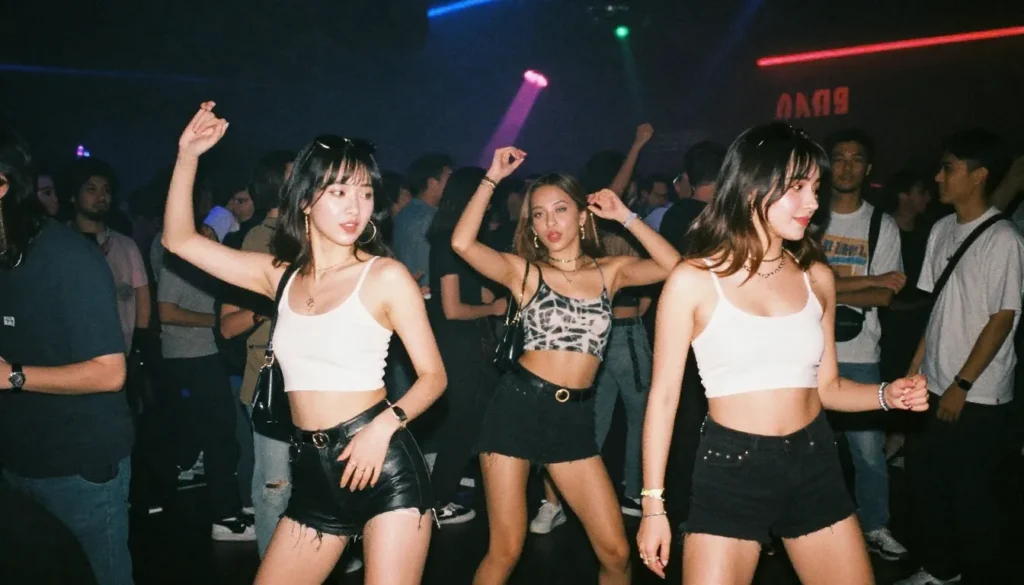
Women’s clubbing fashion is often reduced to a single idea—“dress sexy”—but in practice, the most successful outfits are those that feel controlled rather than exposed.
Dresses remain popular because they’re simple and effective. A fitted mini dress works well because it creates a clear silhouette and requires minimal coordination. The real difference-maker is fabric. Stretch, structure, and breathability matter far more than trend details. Dresses that move with your body tend to look better after two hours than ones that only look good standing still.
Two-piece outfits offer more flexibility. A fitted top paired with a skirt or trousers allows you to control proportions and comfort. Many experienced club-goers use this approach to balance exposure and structure. If the top is revealing, the bottom anchors the look. If the bottom is bold, the top simplifies it.
Pants deserve more credit in clubbing outfits. Tailored trousers, faux leather pants, or wide-leg styles can look striking when paired with a strong top. They’re also practical for longer nights, colder seasons, or venues where dancing space is tight.
Shoes are where many nights are won or lost. While heels remain common, many women now opt for block heels, platforms, boots, or sleek sneakers. These options preserve height and style while dramatically increasing comfort. A clubbing outfit that allows you to forget your feet is always superior.
Men’s Clubbing Outfits: Sharp Without Trying Too Hard

Men’s clubbing outfits often fail for one of two reasons: lack of effort or too much effort. The best looks land in the middle, where intention is clear but not forced.
The foundation is fit. A simple shirt that fits well will outperform a designer piece that doesn’t. This could be a tailored button-down, a premium t-shirt, or a lightweight knit depending on the venue. Dark colors tend to work best under club lighting and are easier to maintain throughout the night.
Pants should feel deliberate. Slim or straight-fit jeans in dark washes are a reliable choice. Tailored trousers elevate the look instantly, especially in more refined clubs. Extremely baggy or overly distressed styles usually clash with club environments unless the venue specifically supports streetwear aesthetics.
Footwear is often underestimated. Clean sneakers are widely accepted, but they need to look intentional. Leather sneakers or minimalist designs tend to work best. In more upscale venues, boots or dress shoes create a stronger first impression.
Affordable, trend-aware brands like Zara and H&M are popular for clubbing basics, while sneakers from Nike and Adidas often appear in nightlife settings when styled cleanly.
How Lighting Changes Everything
One reason clubbing outfits fail unexpectedly is lighting. Club environments distort color, texture, and contrast. What looks subtle in daylight may disappear entirely at night. What looks bold in your room may glow under neon lights.
Dark colors work well because they maintain shape and hide sweat. Black, charcoal, deep reds, and jewel tones are popular for a reason. This doesn’t mean bright colors are wrong, but they should be chosen with intention and balance.
Textures matter more than prints. Leather, satin, mesh, and metallic finishes interact with light and movement, adding dimension that flat fabrics lack. Heavy patterns often get lost, while clean lines and textures remain visible.
Understanding how clothes behave in motion and lighting is a major step toward mastering the clubbing outfit.
Seasonal Strategy for Clubbing Outfits
Seasons affect clubbing more than people expect.
In warmer months, heat becomes the main enemy. Breathable fabrics, open silhouettes, and minimal layering are essential. Sleeveless tops, open backs, and lightweight materials help regulate temperature while keeping the outfit visually interesting.
In colder months, outerwear becomes part of the look. Many people underestimate how much a jacket or coat affects the overall outfit. Leather jackets, cropped coats, and tailored blazers often work well because they complement clubbing silhouettes rather than hiding them. If coat check is unreliable, choosing outerwear you’re comfortable wearing inside is a smart move.
Accessories: Precision Over Quantity
Accessories should support the outfit, not compete with it. Clubs are crowded, loud, and active, which makes practicality crucial.
Small bags are ideal. Crossbody bags, mini shoulder bags, or sleek clutches keep essentials close without interfering with movement. Large bags quickly become a burden.
Jewelry should be secure and minimal. One or two statement pieces are usually enough. Heavy or excessive jewelry can become uncomfortable and distracting over time.
For men, subtle accessories like a watch, chain, or ring add polish without effort. For women, earrings, belts, or hair accessories can elevate the look while remaining functional.
Common Clubbing Outfit Mistakes That Ruin Nights
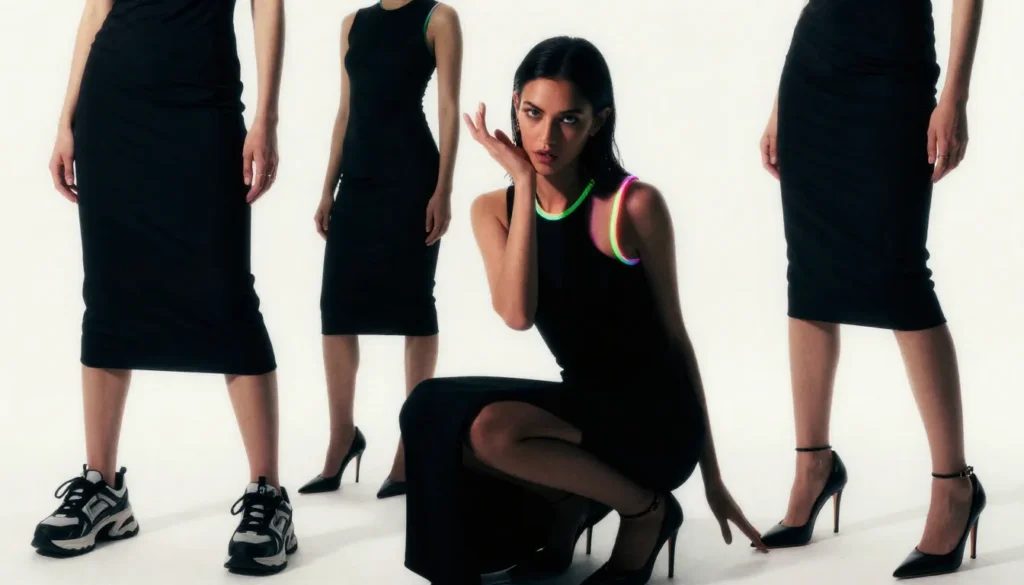
The most common mistake is dressing for appearance alone. Outfits that require constant adjustment, restrict movement, or cause discomfort pull you out of the experience. If you’re thinking about your outfit all night, it’s not doing its job.
Another mistake is ignoring the venue. Even a stylish outfit can feel wrong if it clashes with the environment. Slightly overdressed is usually safer than underdressed, but awareness matters more than extremes.
Over-accessorizing is another frequent issue. In low-light, high-energy spaces, simplicity often reads as confidence.
Real-World Clubbing Outfit Scenarios
Imagine a busy city club on a Friday night. A woman wears a structured mini dress, platform heels, and a small shoulder bag. The outfit is simple, but the fit and proportions make it effective. A man wears a fitted dark shirt, slim jeans, and clean sneakers with a lightweight jacket. Neither outfit is complicated, but both are intentional.
At an underground club, both shift toward darker, more functional looks. Mesh, leather, or all-black outfits dominate, paired with sturdy shoes that can handle hours of dancing.
These scenarios highlight an important truth: successful clubbing outfits respond to the environment rather than ignoring it.
Building a Personal Clubbing Outfit Formula
Over time, most people develop a personal formula that works for them. This usually includes a few trusted pieces that feel good, look good, and suit most venues.
Having a reliable base outfit reduces stress and decision fatigue. From there, small changes—shoes, accessories, layering—can adapt the look to different nights and moods.
This approach turns getting ready from a guessing game into a confident routine.
Conclusion:
A great clubbing outfit doesn’t demand attention it earns it quietly. When your clothes fit well, move with you, and suit the space you’re in, they stop being the focus. You do.
Clubbing fashion isn’t about trends or perfection. It’s about awareness of your body, the venue, and the energy you want to bring into the night. When you dress with intention instead of pressure, confidence follows naturally.
Choose comfort without sacrificing style. Choose context over impulse. Dress for the night you want to have, not just the photo you want to take.
Frequently Asked Questions (FAQs)
What is the safest clubbing outfit if I don’t know the dress code?
A clean, well-fitted outfit in darker colors is usually the safest option. It works across most venues and can be elevated or relaxed with accessories and footwear.
Can I wear sneakers as part of a clubbing outfit?
Yes, many clubs allow sneakers, especially if they’re clean and stylish. Minimalist or leather sneakers tend to work best.
How revealing should a clubbing outfit be?
There’s no fixed rule. Balance is key. If one element is revealing, keep the rest structured to maintain an intentional look.
What fabrics work best for clubbing outfits?
Breathable, flexible fabrics that handle heat and movement well are ideal. Mesh, satin, and stretch blends generally perform better than stiff materials.
Is it okay to repeat clubbing outfits?
Absolutely. Repeating outfits is normal. You can refresh a look by changing shoes, accessories, or layering pieces rather than starting from scratch each time.
How do I know if my outfit matches the club’s vibe?
Checking the club’s social media or tagged photos is an easy way to see what people typically wear. If your outfit wouldn’t stand out in those photos, you’re likely on the right track.

Sofia Bennett is a fashion writer and style observer known for her clean sense of aesthetics and trend analysis. She has covered fashion shows, reviewed designer collections, and interviewed independent creators. Sofia specializes in connecting fashion with real-life lifestyle choices, helping readers understand what looks good — and why.