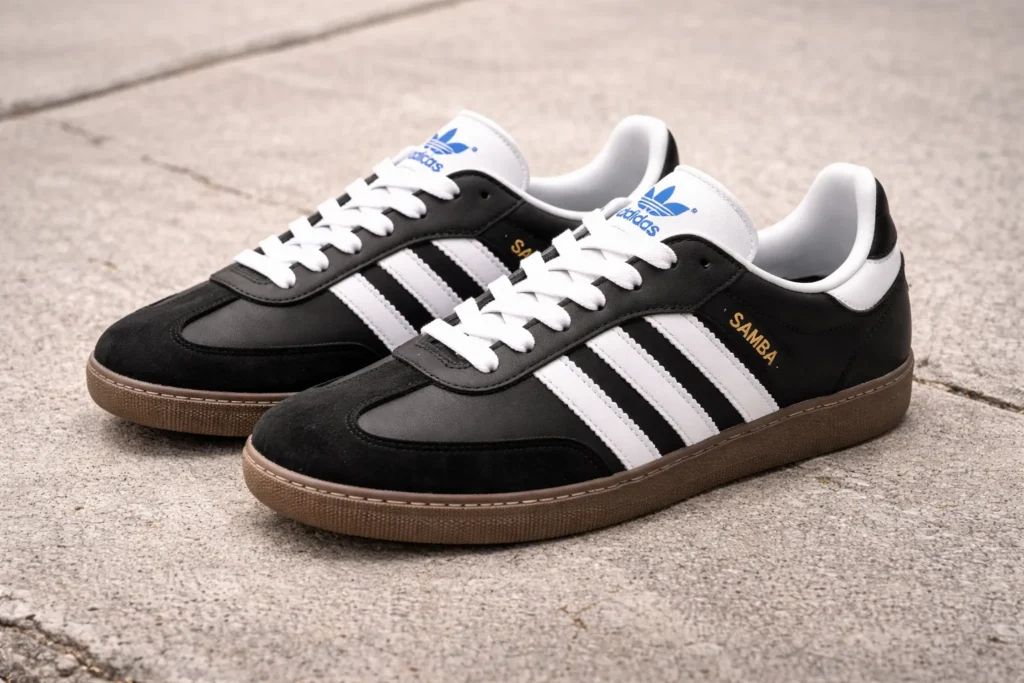
It is rare for a shoe to remain relevant for over seven decades, yet samba sneakers have done exactly that. Walk down any city street, scroll through Instagram, or flip through a fashion magazine, and you are guaranteed to spot the distinctive T-toe and gum sole of this Adidas classic. What started as a functional training shoe for icy football pitches has evolved into a global cultural phenomenon, gracing the feet of everyone from supermodels like Bella Hadid and Kendall Jenner to streetwear enthusiasts and casual commuters.
But what is it about the Samba that has sparked such a massive resurgence? Is it the nostalgia? The versatility? Or perhaps the accessible price point in a world of luxury sneakers? In this comprehensive guide, we will deep-dive into the history, design, and enduring appeal of the Samba. We will break down the different models available, offer expert styling tips for both men and women, and help you understand why this humble sneaker deserves a permanent spot in your rotation.
The History of an Icon: From the Pitch to the Pavement
To understand the current obsession with samba sneakers, we have to look back at their origins. The story begins in 1949, making the Samba one of the oldest shoes in the Adidas archive still in production today.
Designed for Function
Adi Dassler, the founder of Adidas, originally designed the shoe to solve a specific problem: football players needed traction on frozen, icy grounds. The original design featured a kangaroo leather upper and an innovative gum rubber outsole that provided excellent grip. It was a technological marvel for its time.
The 1950 World Cup Connection
The shoe got its name in 1950. With the FIFA World Cup taking place in Brazil that year, Adidas wanted to market the shoe to South American players. They named it “Samba” after the indigenous Brazilian dance and music genre. The marketing strategy worked, and the name stuck.
The Evolution of Style
Over the decades, the design was refined. The high-cut boot evolved into a low-top sneaker. The “classic” silhouette we know today—with the suede T-toe overlay, the long tongue (on some models), and the “Bluebird” logo label—was finalized in the early 1970s. It transitioned from a performance shoe to a staple of the “terrace culture” in the UK, where football fans adopted it as part of their casual uniform. Later, in the 90s, it was embraced by the skateboarding community for its durability and board feel, cementing its status as a cross-cultural icon.
Breaking Down the Samba Family
While the core DNA remains the same, there are several variations of samba sneakers on the market. Knowing the difference can help you choose the right pair for your style.
The Samba OG
This is the purist’s choice. It stays true to the 1950s and 70s design.
- Key Features: Soft full-grain leather upper, suede T-toe, and a slightly higher arch. It usually features gold foil “Samba” lettering on the side.
- The Vibe: Authentic, retro, and timeless. This is the version you see most often on influencers and celebrities.
The Samba Classic
Often confused with the OG, the Classic is actually designed for indoor soccer performance.
- Key Features: It has an elongated tongue (originally designed to fold over the laces to provide a cleaner strike zone for the ball) and a slightly chunkier silhouette.
- The Vibe: Sporty and functional. If you don’t like a long tongue, you might find this model tricky to style casually unless you tuck the tongue in.
The Samba Vegan
As sustainability becomes a priority, Adidas released a version made entirely without animal products.
- Key Features: It looks nearly identical to the OG but uses synthetic faux leather and recycled materials. It even has the same grey suede toe cap, recreated with synthetic fibers.
- The Vibe: Conscious and cool. It’s perfect for those who want the look without the ethical footprint of leather.
The Velosamba
A brilliant adaptation for city cyclists.
- Key Features: It looks like a standard Samba but features a hidden plate in the sole compatible with two-bolt SPD cleats. It also has reflective details for night visibility.
- The Vibe: The ultimate commuter shoe. You can ride to work clipped in, then walk into the office without changing shoes.
The Samba Decon
A newer, more premium iteration.
- Key Features: Deconstructed design with a collapsible heel. The leather is softer and thinner, allowing you to wear it like a mule.
- The Vibe: Relaxed luxury. It feels more like a leather slipper than a structured sneaker.
Why the Samba is the Ultimate “It” Shoe Right Now
Fashion trends are cyclical, but the Samba’s dominance is unique. Several factors have converged to create the perfect storm for its popularity.
The Rise of “Bloke Core”
“Bloke Core” is a TikTok-born aesthetic that celebrates vintage British football culture—think oversized soccer jerseys, straight-leg jeans, and terrace sneakers. The samba sneaker is the cornerstone of this look. It perfectly captures that nostalgic, slightly ladish vibe that Gen Z has latched onto.
The “Clean Girl” Aesthetic
On the flip side, the Samba fits perfectly into the minimalist “Clean Girl” aesthetic. Its low profile and neutral colorways (black/white or white/black) make it an unobtrusive addition to beige trenches, white tees, and tailored trousers. It’s not trying too hard, which is the essence of cool.
Versatility and Comfort
Unlike chunky “dad shoes” or high-top basketball sneakers, the Samba is sleek. It doesn’t overwhelm an outfit. The flat gum sole is comfortable for all-day walking, and the leather molds to the foot over time. It is a shoe you can actually live in.
Celebrity Endorsement
We cannot ignore the influence of A-list celebrities. When Bella Hadid was photographed pairing Sambas with everything from gym shorts to vintage skirts, the shoe sold out globally. Frank Ocean, A$AP Rocky, and Harry Styles have also been spotted rocking them, proving their unisex appeal.
How to Style Samba Sneakers: A Masterclass
The beauty of the Samba lies in its ability to shapeshift. Here is how to style them for different occasions and aesthetics.
For Women: Chic and Effortless
- With Maxi Skirts: This is the silhouette of the moment. Pair black or white Sambas with a long denim or satin maxi skirt and a baby tee. The slim profile of the shoe balances the volume of the skirt.
- The Off-Duty Model Look: Wear them with white crew socks, biker shorts, and an oversized sweatshirt. Throw on a baseball cap and structured sunglasses to finish the look.
- Office Casual: Yes, you can wear them to work. Pair white Sambas with wide-leg beige trousers, a crisp white button-down, and a sweater draped over your shoulders. It’s polished but approachable.
- With Dresses: Sambas look great with floral summer dresses. They add a tomboyish edge that prevents the outfit from looking too precious.
For Men: Classic and Cool
- The Bloke Core Look: Vintage football jersey (tucked or untucked), straight-leg vintage wash jeans, and classic black Sambas. Simple, effective, and trendy.
- Smart Casual: Wear them with cropped chinos or Dickies trousers and a heavyweight t-shirt or polo. The cropped pant leg allows the shoe to shine without bunching fabric at the ankle.
- Summer Style: Sambas look excellent with shorts, but the sock choice matters. Opt for mid-calf white tube socks with athletic shorts, or no-show socks with tailored chino shorts.
- Date Night: Pair them with dark raw denim and a high-quality knit sweater or an overshirt. It’s a look that says you care about style without being overly formal.
Sizing and Fit Guide
Buying sneakers online can be tricky. Here is what you need to know about how samba sneakers fit.
- True to Size: generally, Sambas run true to size. However, they are known for being narrow.
- The Narrow Issue: Because they were designed as a football boot for ball control, the silhouette is slim. If you have wide feet, you might find them tight around the midfoot and toe box.
- Recommendation: If you have wide feet, consider going up half a size. If you have standard or narrow feet, stick to your usual Adidas size.
- Break-in Period: The leather (especially on the OG and Classic models) can be stiff at first. Expect a few days of wear before they fully soften and mold to your feet. The heel collar can also be a bit rigid, so wear good socks for the first few outings to avoid blisters.
Collaborations and Limited Editions
While the general release black and white colorways are the most popular, Adidas has kept the hype alive through strategic collaborations.
Wales Bonner x Adidas
This is arguably the partnership that reignited the Samba craze. British designer Grace Wales Bonner reimagined the silhouette with crochet details, oversized tongues, and rich, earthy color palettes. These limited-edition pairs are highly coveted and fetch high prices on the resale market.
Sporty & Rich x Adidas
Emily Oberg’s brand brought a country-club aesthetic to the Samba, introducing fresh colorways like blue, cream, and burgundy, often accompanied by vintage-inspired marketing campaigns.
Kith x Adidas
Ronnie Fieg of Kith has released several iterations, usually focusing on premium materials and subtle detailing, keeping the classic look while elevating the quality.
Care and Maintenance
To keep your samba sneakers looking fresh (or perfectly beaten up, if that’s your vibe), a little maintenance goes a long way.
- Protect the Suede: The suede T-toe is the most vulnerable part of the shoe. Before wearing them, spray the suede area with a water and stain repellent. This will stop dirt and rain from ruining the texture.
- Cleaning the Leather: Use a damp cloth or a gentle leather wipe to remove dirt from the smooth leather upper. Avoid harsh chemicals that can strip the finish.
- Cleaning the Gum Sole: A magic eraser or a toothbrush with soapy water works wonders on the textured gum sole.
- Laces: If your shoes look tired, simply washing the laces or swapping them for a fresh white pair can instantly make them look brand new.
Samba vs. Gazelle vs. Spezial: What’s the Difference?
Adidas has a “terrace” family of sneakers that all share a similar DNA. It can be confusing to tell them apart.
- The Samba: Distinguished by the T-toe overlay and the dark gum sole. It generally looks the sportiest of the three.
- The Gazelle: Usually made of a full suede upper (no leather mix) and features a white textured midsole (not gum). It has a slightly wider, rounder toe box than the Samba.
- The Spezial (Handball Spezial): Originally designed for handball. It looks very similar to the Gazelle but sits on a gum sole like the Samba. The gum sole on the Spezial is often slightly translucent and has a different tread pattern.
If you find the Samba too narrow, the Gazelle is often a better fit for wider feet. If you love the gum sole but want suede, the Spezial is your best bet.
Conclusion: A Legend for a Reason
The samba sneaker is a testament to the power of good design. It hasn’t changed much in 70 years because it hasn’t needed to. It is functional, stylish, and carries a rich cultural history that transcends borders and generations.
Whether you are buying them to relive your indoor soccer days, to participate in the latest fashion trend, or simply because you need a reliable shoe that goes with everything, the Samba delivers. It is one of the few items in your wardrobe that will look just as good in ten years as it does today. So lace them up, break them in, and enjoy walking in a piece of history.
Frequently Asked Questions (FAQs)
Q1: Are Adidas Sambas comfortable for walking all day?
A: Yes, they are generally comfortable for all-day wear. They have a relatively flat sole with moderate arch support. However, they do not have the squishy foam cushioning of modern running shoes (like Ultraboost). They offer a “grounded” feel that many people find stable and comfortable for city walking.
Q2: Can I play soccer in Samba OGs?
A: While they were originally designed for it, the Samba OG is now primarily a lifestyle shoe. For actual indoor soccer play, it is better to buy the Samba Classic or a modern indoor boot, as they offer better support and durability for competitive sports.
Q3: Do Sambas stretch out?
A: Yes, the leather models will stretch slightly and mold to the shape of your foot over time. The “Samba Vegan” synthetic models will stretch less than the genuine leather ones.
Q4: Why are Sambas always sold out?
A: Due to their massive popularity on social media and celebrity endorsements, demand often outstrips supply for the standard black and white colorways. Adidas restocks them frequently, but they sell out quickly. It is best to sign up for notifications on the Adidas app or check authorized retailers.
Q5: Are Sambas non-slip?
A: The gum rubber outsole provides excellent traction on most surfaces, which is why they were originally created for icy pitches. They offer great grip for everyday walking, though they are not certified “non-slip” shoes for restaurant or industrial work environments.

Sofia Bennett is a fashion writer and style observer known for her clean sense of aesthetics and trend analysis. She has covered fashion shows, reviewed designer collections, and interviewed independent creators. Sofia specializes in connecting fashion with real-life lifestyle choices, helping readers understand what looks good — and why.