Have you ever held a beautifully crafted object—a ceramic bowl, a piece of jewelry, a textile—and wondered how something that feels so human could exist in an age dominated by screens, software, and automation? That moment of curiosity is exactly where craft design technology lives.
Craft design technology matters right now because the creative world is at a turning point. Traditional craftsmanship, once threatened by mass production, is being reborn through digital tools, smart materials, and accessible fabrication technologies. At the same time, designers and makers are under pressure to work faster, reduce waste, differentiate their products, and meet modern consumer expectations—without losing the soul of handmade work.
This article is written for:
- Designers who feel torn between analog craft and digital tools
- Makers and artisans looking to modernize their workflow
- Students and educators navigating creative-technology careers
- Entrepreneurs building craft-based brands in a tech-driven market
By the end, you’ll understand not just what craft design technology is, but how to use it, why it works in the real world, and how to avoid the mistakes that quietly hold most creators back. This is not theory. It’s lived experience, practical insight, and a clear roadmap forward.
Craft Design Technology Explained: From Handmade Roots to Digital Fluency
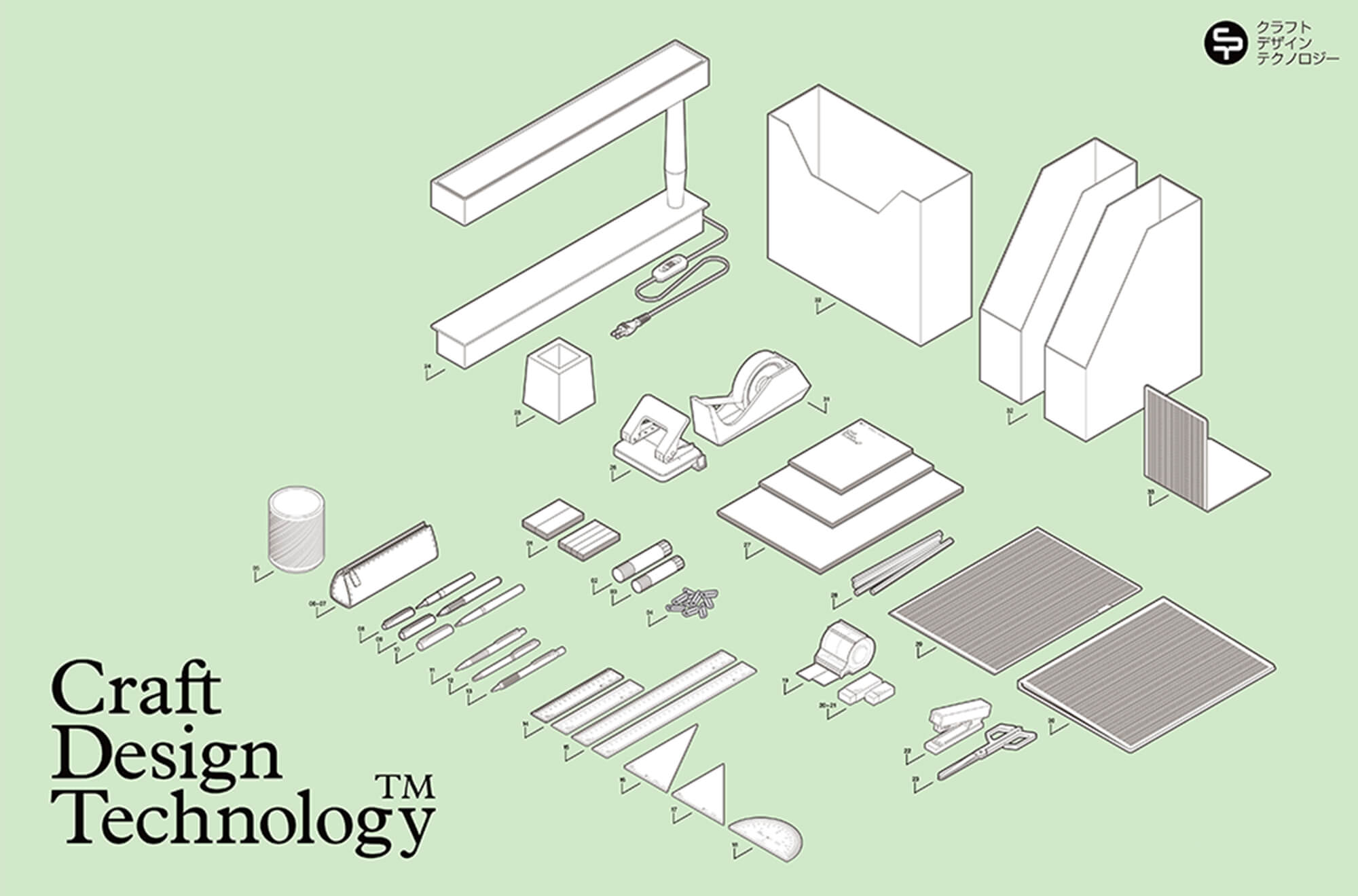


Craft design technology is the integration of traditional craft skills with modern design methods and technological tools. At its core, it blends handmade sensibility with digital precision.
Think of it like this: traditional craft is handwriting—deeply personal, expressive, imperfect in a beautiful way. Technology is typesetting—precise, scalable, repeatable. Craft design technology is knowing when to handwrite and when to typeset, and often, how to do both in the same sentence.
Historically, craft and technology were never enemies. Looms, wheels, and kilns were all technologies of their time. What changed was scale. Industrialization prioritized speed and uniformity, often at the expense of individuality. Craft design technology reverses that tradeoff by giving creators digital control without erasing their fingerprint.
Modern craft design technology includes:
- Digital sketching and CAD modeling
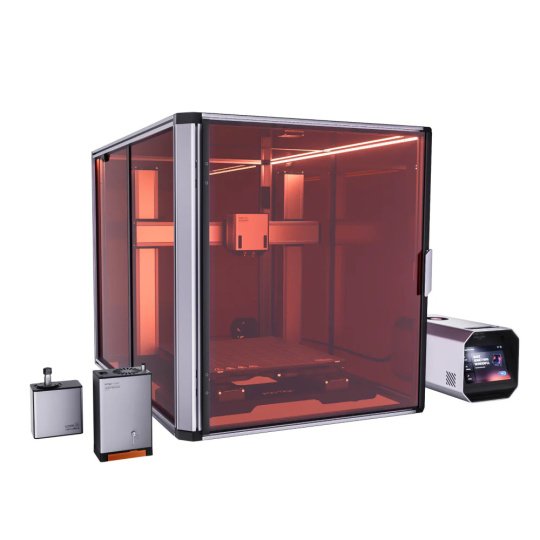
- CNC machines, laser cutters, and 3D printers
- Smart textiles and responsive materials
- Parametric and generative design systems
- Hybrid workflows combining hand-finishing with automated production
For beginners, it might start with scanning a hand-drawn pattern into software. For advanced practitioners, it could mean building algorithmic patterns that respond to user data, then finishing each piece by hand.
The key idea is progression. You don’t abandon craft to use technology—you extend it. Technology becomes another tool on the workbench, not a replacement for skill.
Benefits and Real-World Use Cases of Craft Design Technology
The real power of craft design technology shows up when theory meets practice. In studios, workshops, classrooms, and small businesses around the world, this hybrid approach delivers tangible results.
Who Benefits Most?
Craft design technology is especially valuable for:
- Independent artisans scaling limited collections
- Designers creating custom or parametric products
- Cultural craft practitioners preserving heritage methods
- Sustainable brands reducing waste and prototyping costs
- Educators preparing students for modern creative careers
Real-World Applications
In fashion and textiles, designers use digital pattern-making software to perfect fit before cutting fabric, reducing waste dramatically. In ceramics, artists 3D-print molds based on hand-sculpted forms, preserving organic aesthetics while improving consistency. In furniture design, CNC routers cut complex joinery that would take days by hand—freeing time for finishing and refinement.
Before adopting craft design technology, many creators face:
- Long iteration cycles
- High material waste
- Inconsistent results
- Limited scalability
After adoption, they often see:
- Faster prototyping and iteration
- Better precision without sacrificing creativity
- New product categories and customization options
- Stronger brand storytelling around process and innovation
The most important shift is mental. Makers stop asking, “Is this handmade enough?” and start asking, “Does this express my intent clearly and honestly?”
A Step-by-Step Practical Guide to Using Craft Design Technology
Step 1: Start With the Craft, Not the Software
Begin with your hands. Sketch, sculpt, weave, carve—whatever your craft is. This ensures your work stays rooted in human intuition. Technology should translate your ideas, not generate them blindly.
Step 2: Digitize Thoughtfully
Use scanning, photography, or digital sketching to bring your work into a digital environment. Tools like tablets or vector software allow refinement without erasing the original character.
Step 3: Choose the Right Design Environment
For precision and scalability, many designers move into CAD or parametric tools. Software like Adobe Illustrator works well for 2D craft patterns, while 3D modelers support product and spatial design.
Step 4: Prototype Early and Often
Digital fabrication tools—3D printers, laser cutters, CNC machines—allow rapid prototyping. The goal isn’t perfection, but learning. Each prototype answers a question your sketch couldn’t.
Step 5: Reintroduce the Hand
This is where many beginners stop too early. Hand-finishing, surface treatment, and material experimentation bring warmth back into digitally produced forms. This step is what makes craft design technology feel alive rather than manufactured.
Step 6: Document and Refine the Workflow
Your process becomes part of your intellectual property. Document settings, materials, and decisions. Over time, this turns experimentation into a reliable system.
Tools, Comparisons, and Expert Recommendations

Free vs Paid Tools
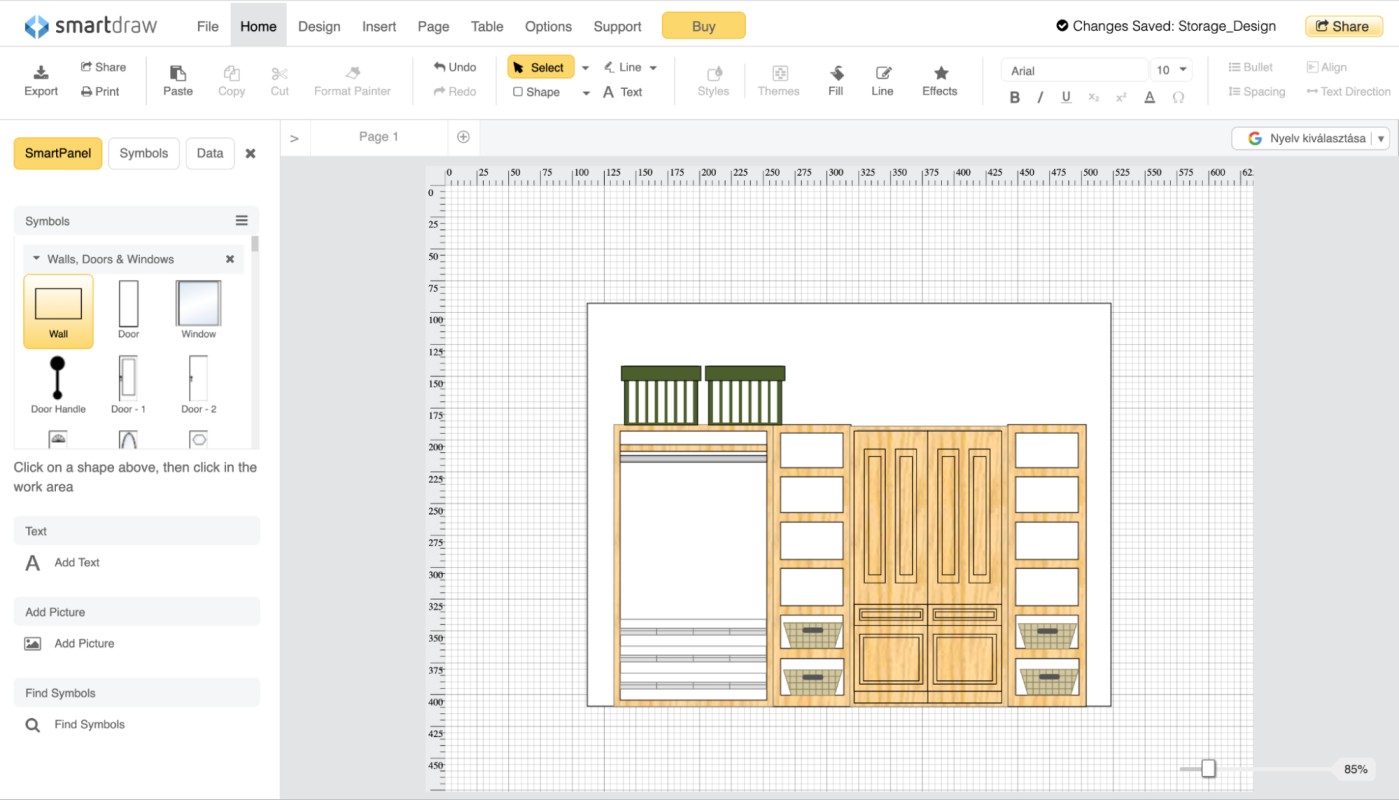
Free tools are excellent for learning and early experimentation. Paid tools offer speed, reliability, and professional support. The right choice depends on how often you work and what’s at stake.
Beginner vs Advanced Setups
Beginners benefit from flexible, forgiving tools. Advanced practitioners prioritize precision, automation, and integration across platforms.
Hardware Considerations
Desktop fabrication tools have become more accessible, but quality varies. Shared makerspaces are often a smarter entry point than immediate ownership.
Expert Insight
In practice, the best tool is the one you understand deeply. A simple laser cutter used creatively will outperform an advanced machine used superficially. Mastery beats novelty every time.
Common Mistakes in Craft Design Technology (and How to Fix Them)
Mistake 1: Letting Software Lead the Design
This often results in work that looks impressive but feels empty. Fix it by grounding every project in physical exploration first.
Mistake 2: Over-Automating Too Early
Automation without understanding removes learning. Slow down. Prototype manually before scripting or batch production.
Mistake 3: Ignoring Material Reality
Digital models don’t account for grain, shrinkage, or human touch. Always test with real materials early.
Mistake 4: Underpricing Hybrid Work
Craft design technology often creates more value, not less. Educate your audience about your process and price accordingly.
Mistake 5: Skipping Documentation
Without documentation, you repeat mistakes. Keep notes, photos, and settings—it compounds over time.
The Bigger Picture: Craft Design Technology as a Creative Mindset
Craft design technology isn’t just a skillset—it’s a way of thinking. It values tradition without romanticizing inefficiency. It embraces innovation without worshipping automation. It asks better questions instead of chasing faster answers.
In education, this mindset prepares students for careers that don’t yet have job titles. In business, it builds brands that feel both authentic and modern. In culture, it preserves heritage while allowing it to evolve.
If you want a practical visual walkthrough of hybrid craft workflows, this video offers a grounded, real-studio perspective:
https://www.youtube.com/watch?v=YbQp0F1JfJ8
Conclusion
Craft design technology gives creators permission to stop choosing sides. You don’t have to be “traditional” or “tech-driven.” You can be both—intentionally, thoughtfully, and profitably.
The core insight is simple: technology should amplify craftsmanship, not erase it. When used well, it saves time, reduces waste, expands creative possibility, and strengthens your voice rather than diluting it.
Your next step might be small—digitizing a sketch, visiting a makerspace, testing one new tool. What matters is momentum. Each hybrid step you take builds confidence, capability, and creative range.
The future of craft isn’t less human. It’s more human, supported by better tools.
FAQs
What is craft design technology in simple terms?
It’s the combination of traditional craft skills with modern digital design and fabrication tools.
Do I need coding skills to use craft design technology?
Not at first. Many workflows are visual and intuitive, though coding can expand possibilities later.
Is craft design technology expensive to start?
It can be affordable, especially through shared studios, free software, and gradual tool adoption.
Does using technology reduce the value of handmade work?
No—when used transparently, it often increases perceived value and consistency.
What industries use craft design technology the most?
Fashion, product design, furniture, ceramics, textiles, jewelry, and interior design.

Adrian Cole is a technology researcher and AI content specialist with more than seven years of experience studying automation, machine learning models, and digital innovation. He has worked with multiple tech startups as a consultant, helping them adopt smarter tools and build data-driven systems. Adrian writes simple, clear, and practical explanations of complex tech topics so readers can easily understand the future of AI.