If you have ever ridden a train that arrived to the second, used a gadget that worked flawlessly for a decade, or watched a robot perform a task with almost human grace, you have already experienced Japan technology—even if you didn’t realize it at the time. I still remember my first trip to Tokyo, watching commuters flow through stations like clockwork while digital signboards updated in real time. Nothing felt rushed, yet nothing felt slow. That balance captures the soul of Japanese innovation.
Japan technology matters because it quietly powers daily life across the globe. From the smartphone components in your pocket to the manufacturing processes that define global quality standards, Japan has shaped how technology is built, trusted, and improved. This article walks you through what Japan technology really is, how it works, where it shines, and how businesses, professionals, and everyday users can learn from it. By the end, you’ll understand not just the machines—but the mindset behind them.
Understanding Japan Technology at a Human Level
Japan technology is not about flashy disruption alone. It is about refinement. Think of it less like a sudden explosion and more like water slowly carving stone. Japanese innovation evolves through continuous improvement, or kaizen, where small changes compound into world-class results.
At its core, Japan technology blends engineering discipline with cultural values: respect for craftsmanship, long-term thinking, and reliability. While Silicon Valley often celebrates “move fast and break things,” Japan leans toward “move carefully and make it last.” That difference explains why Japanese electronics from the 1990s still work today and why Japanese industrial robots run factories with minimal downtime.
Japan’s technology ecosystem spans consumer electronics, robotics, automotive engineering, semiconductors, healthcare devices, and smart infrastructure. Companies like Sony, Toyota, and Nintendo didn’t just create products; they created categories and set expectations for quality worldwide.
What makes Japan technology unique is that innovation is often invisible to the end user. You don’t notice it because it works. And in many ways, that is the highest compliment.
Japan Technology in Everyday Life
One of the best ways to understand Japan technology is to look at where it shows up in real life. Japanese households, offices, and cities are filled with subtle technological efficiencies. Toilets with sensors and water-saving systems are not novelties—they are standard. Convenience stores rely on data analytics to restock shelves multiple times a day with minimal waste. Vending machines adapt to weather and location to decide what drinks to display.
Public infrastructure is another showcase. The Shinkansen bullet train network, built on decades of precision engineering, maintains an astonishing safety record while moving millions of passengers efficiently. Behind the scenes, predictive maintenance systems detect micro-vibrations before problems occur.
In manufacturing, Japan technology excels at process innovation. The famous Toyota Production System introduced lean manufacturing to the world, eliminating waste while improving quality. Today, that philosophy extends into smart factories where sensors, robotics, and AI collaborate to optimize production in real time.
Japan technology is also deeply embedded in global supply chains. Even when devices are assembled elsewhere, critical components—from camera sensors to precision motors—often originate in Japan. This quiet dominance is intentional. Japan prefers to be indispensable rather than loud.
Key Sectors Where Japan Technology Leads
Robotics and Automation
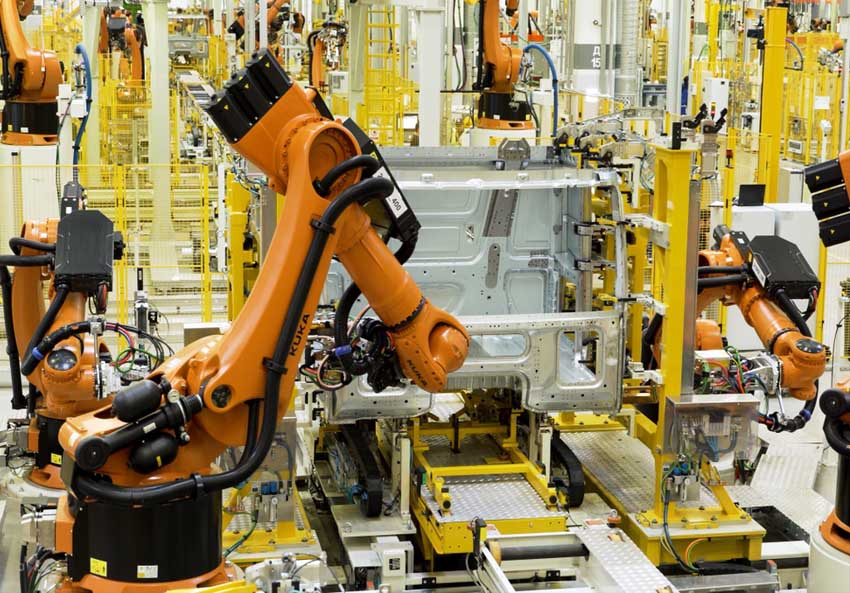

Japan is the undisputed leader in robotics, not because it builds the most robots, but because it integrates them seamlessly into society. Industrial robots handle delicate assembly tasks, while service robots assist in hospitals, hotels, and eldercare facilities.
An aging population has accelerated this focus. Instead of seeing demographics as a crisis, Japan turned it into a design challenge. Robots now help lift patients, deliver meals, and provide companionship. These machines are not cold or intimidating; they are designed with human interaction in mind.
This approach reflects a broader philosophy: technology should support people, not replace them. That belief makes Japanese robotics particularly influential as other nations face similar demographic shifts.
Consumer Electronics and Precision Hardware
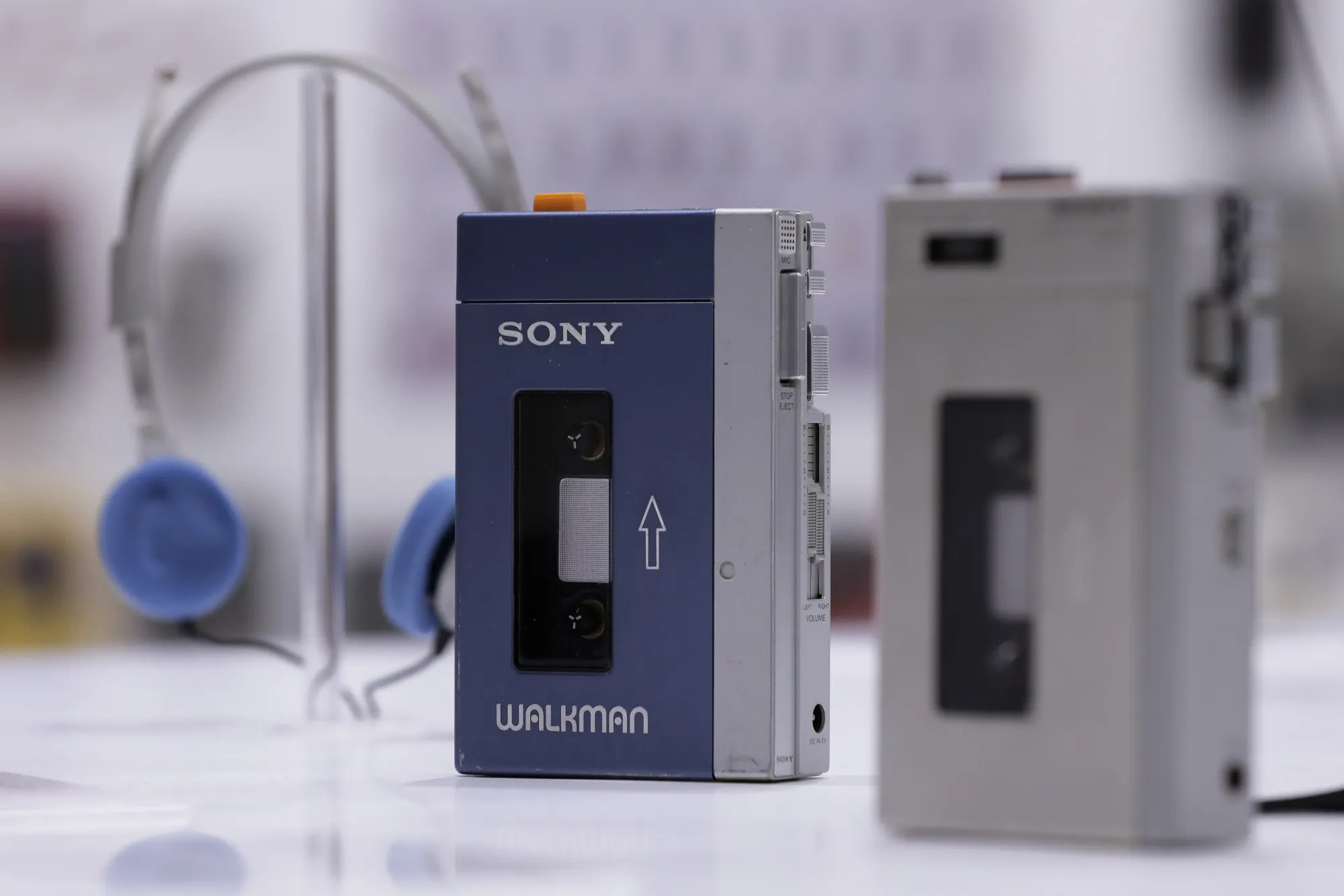
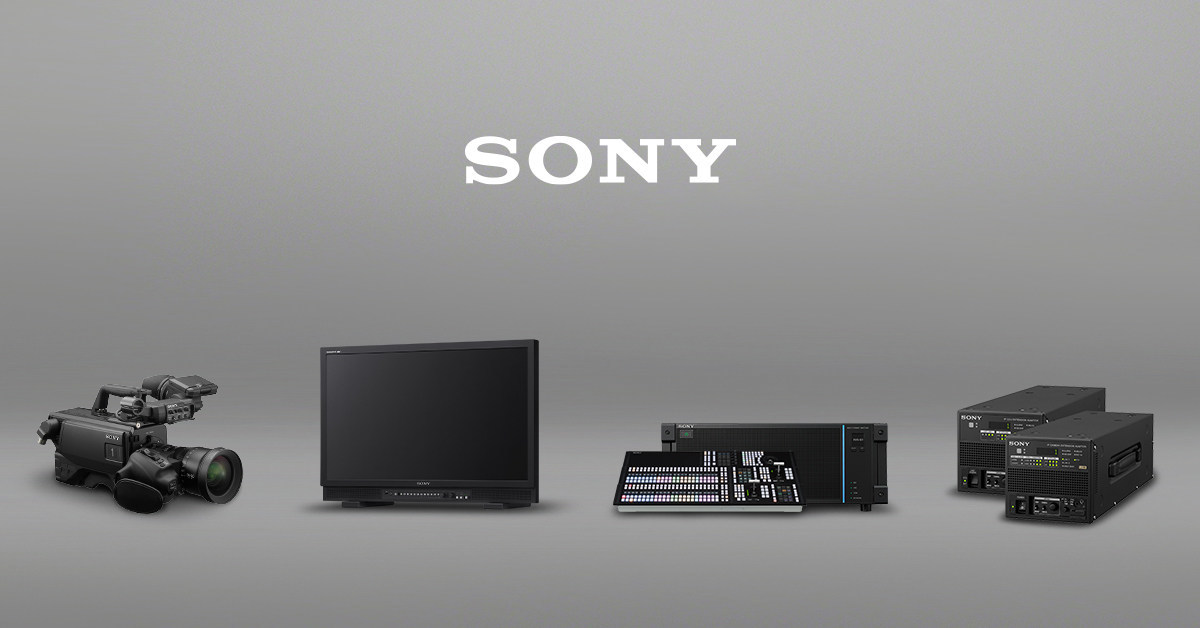

While some assume Japan has faded in consumer electronics, the reality is more nuanced. Companies like Panasonic continue to lead in batteries, imaging, and industrial electronics. Japan dominates niche, high-precision markets where margins are smaller but standards are uncompromising.
Japanese audio equipment, cameras, and sensors are trusted by professionals because they deliver consistency. In creative fields, reliability matters more than novelty. Japan understands that deeply.
Automotive and Mobility Technology
Japan’s automotive technology extends far beyond engines. Hybrid systems, safety sensors, and manufacturing efficiency have become global benchmarks. Toyota’s hybrid leadership paved the way for electrification, while companies like Honda explore hydrogen and advanced mobility concepts.
Japan also excels in mobility infrastructure. Smart traffic systems, advanced rail networks, and urban planning technologies reduce congestion while improving safety. This holistic view of mobility sets Japan apart.
Digital Infrastructure and Smart Society
Japan’s vision for the future is often summarized by Society 5.0, a government-backed concept integrating digital technology into every aspect of life. Led by agencies like METI, this initiative aims to balance economic growth with social well-being.
From smart healthcare systems to disaster prediction networks, Japan technology prioritizes resilience. Earthquakes, typhoons, and population shifts are treated as design parameters, not afterthoughts.
Benefits and Real-World Use Cases of Japan Technology
Japan technology offers three core benefits: reliability, efficiency, and trust. Businesses adopt Japanese systems because they reduce long-term risk. Consumers choose Japanese products because they last.
For manufacturers, Japanese automation tools minimize defects and downtime. For healthcare providers, Japanese medical devices deliver precision with minimal training overhead. For cities, Japanese infrastructure technology ensures safety under extreme conditions.
One overlooked benefit is cultural compatibility. Japanese technology often integrates smoothly into existing systems rather than forcing radical change. This makes adoption easier and more sustainable.
If you are a startup founder, Japan technology teaches patience. If you are an engineer, it teaches respect for detail. If you are a consumer, it teaches that good technology should fade into the background and simply work.
Step-by-Step: How Japan Develops World-Class Technology
Japan’s innovation process follows a disciplined path that others can learn from.
First comes problem identification. Japanese teams spend significant time understanding the root cause before proposing solutions. This prevents wasted effort.
Next is incremental prototyping. Instead of rushing to market, prototypes are tested, refined, and tested again. Feedback loops are short but thorough.
Then comes standardization. Once a solution works, it becomes a standard process that can be replicated at scale. This is where Japan excels—turning innovation into routine excellence.
Finally, continuous improvement begins. Even successful products are never “finished.” Small enhancements accumulate over years, keeping technology relevant far longer than typical product cycles.
This approach may seem slow, but it creates durability. In a world obsessed with speed, Japan technology proves that longevity is its own competitive advantage.
Tools, Comparisons, and Recommendations
Businesses exploring Japan technology often face a choice between Japanese and Western solutions. Japanese tools excel in hardware, manufacturing systems, and embedded technologies. Western tools often dominate software platforms and consumer apps.
Japanese industrial equipment may cost more upfront, but lifetime costs are lower due to reliability. Free or open-source alternatives exist, but they rarely match Japanese build quality in physical systems.
For professionals, the recommendation is balance. Use Japanese hardware where precision matters and flexible software where speed is essential. This hybrid approach mirrors how Japan itself increasingly collaborates globally.
Common Mistakes When Adopting Japan Technology—and How to Fix Them
One common mistake is underestimating training needs. Japanese systems assume disciplined operation. Without proper training, their benefits are lost.
Another error is focusing only on cost. Japan technology is a long-term investment. Judging it by short-term ROI misses its real value.
Cultural misunderstanding is also common. Japanese partners value trust and continuity. Frequent changes in requirements or vendors can undermine collaboration.
The fix is patience. Invest time upfront, respect processes, and think long term. When approached correctly, Japan technology rewards commitment.
The Future of Japan Technology
Japan’s future lies in integration. AI, robotics, and sustainability technologies are converging into systems that support aging populations and climate resilience. Cities like Tokyo and Osaka serve as living laboratories for smart urban solutions.
Japanese companies increasingly collaborate with global partners, blending local precision with global scale. This openness ensures Japan technology remains relevant in a fast-changing world.
The lesson for the rest of us is clear: innovation doesn’t have to be loud to be powerful. Sometimes, the most influential technology is the one you barely notice—until it’s gone.
Conclusion
Japan technology is not about chasing trends. It is about building systems that endure. Through discipline, respect for craftsmanship, and continuous improvement, Japan has created a technology ecosystem the world trusts.
Whether you are a business leader, engineer, or curious reader, there is something to learn from Japan’s approach. Focus on quality. Think long term. Design for people. If you do, your technology—like Japan’s—may quietly shape the world for decades to come.
If this perspective resonated with you, explore how Japanese principles could improve your own projects or workflows. The results may surprise you.
FAQs
What is Japan technology best known for?
Japan technology is best known for reliability, precision engineering, robotics, and manufacturing excellence.
Why is Japanese technology considered high quality?
Because it emphasizes continuous improvement, rigorous testing, and long-term performance over short-term gains.
Is Japan still a technology leader today?
Yes, especially in robotics, automotive systems, industrial equipment, sensors, and advanced infrastructure.
How does Japan technology differ from Silicon Valley innovation?
Japan focuses on refinement and durability, while Silicon Valley prioritizes speed and disruption.
What industries rely most on Japan technology?
Automotive, manufacturing, healthcare devices, robotics, and electronics heavily rely on Japanese innovation.

Adrian Cole is a technology researcher and AI content specialist with more than seven years of experience studying automation, machine learning models, and digital innovation. He has worked with multiple tech startups as a consultant, helping them adopt smarter tools and build data-driven systems. Adrian writes simple, clear, and practical explanations of complex tech topics so readers can easily understand the future of AI.