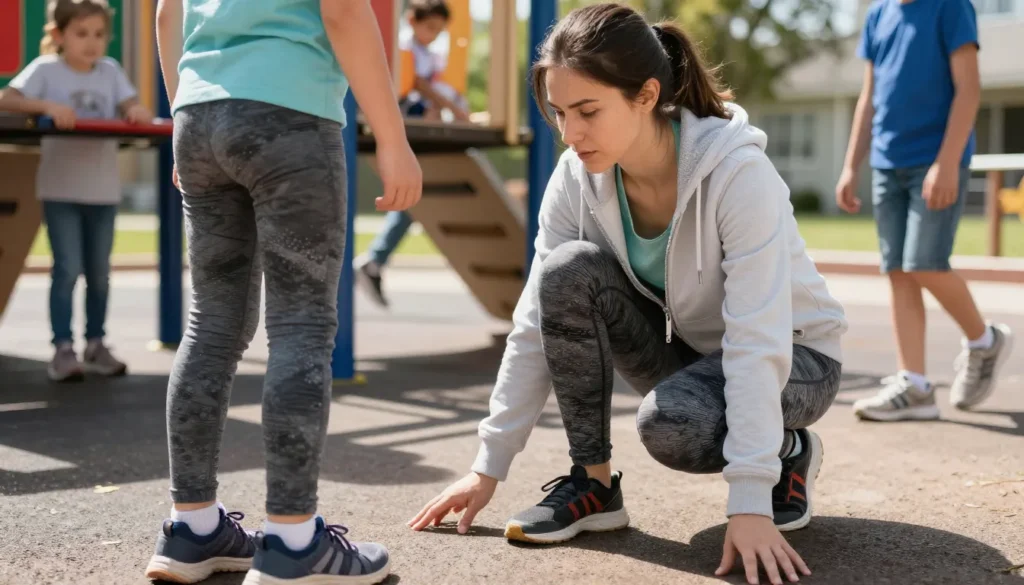
There’s a moment most nannies remember clearly the first time they wore the “wrong” outfit to work. Maybe it was a stiff pair of jeans that made sitting on the floor unbearable, or shoes that looked fine in the mirror but caused aching feet by noon. For a job that rarely follows a script, nannying has a surprisingly steep learning curve when it comes to clothing.
Nanny outfits aren’t about trends, labels, or looking impressive. They’re about surviving long days gracefully, moving constantly, and caring for children with full attention and energy. What you wear as a nanny quietly affects how you perform, how you’re perceived, and how you feel by the end of the day.
This article takes a deep, practical look at nanny outfits what works, what doesn’t, and how to dress in a way that supports both professionalism and real life. Whether you’re a seasoned caregiver or just starting out, understanding how to dress for the demands of childcare can transform your daily experience.
Why Nanny Outfits Are More Important Than Most People Think
Nannying is often misunderstood as informal work, but experienced caregivers know it requires serious physical, emotional, and mental effort. Clothing plays a larger role than many people expect because it touches every part of the job.
For nannies, the right outfit reduces physical strain, increases confidence, and removes unnecessary distractions. When you aren’t tugging at your sleeves, adjusting your waistband, or worrying about stains, you can focus fully on the children.
For parents, a nanny’s appearance contributes to trust. Clean, intentional clothing signals reliability and respect for the role. It reassures families that their caregiver is prepared and professional, even in a relaxed household.
Children also respond to what they see. Clothing that feels comfortable and approachable helps kids feel safe and relaxed. A nanny who looks at ease often feels easier to connect with emotionally.
The Reality of Dressing for Childcare
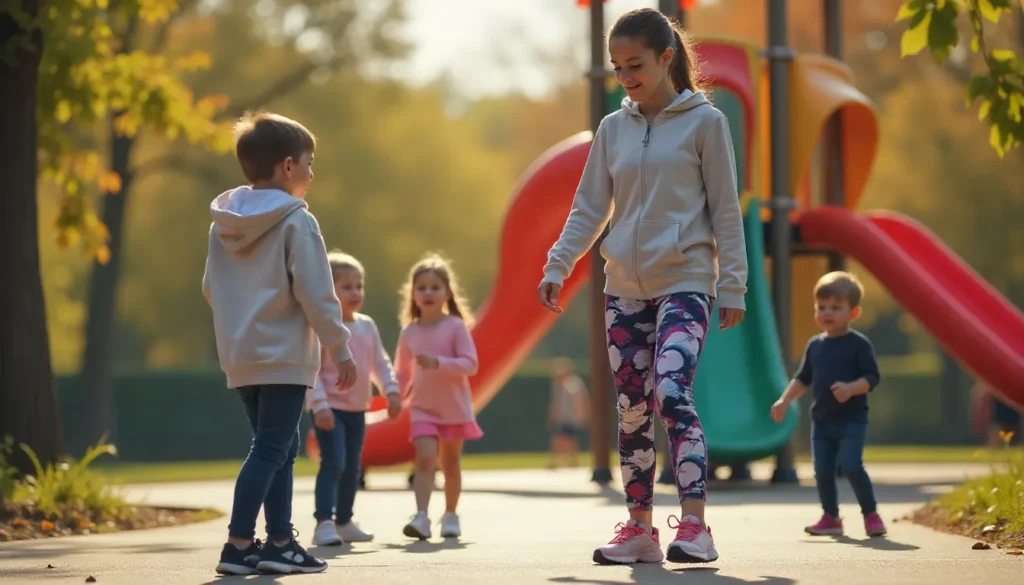
To understand nanny outfits, you need to understand the job itself. Nannies sit on the floor, kneel, crawl, lift children, carry bags, push strollers, and move continuously. Clothing must allow for all of this without restriction.
There’s also constant exposure to mess. Food spills, paint, dirt, and bodily fluids are unavoidable. Nanny outfits must survive frequent washing and still hold their shape and comfort.
Temperature changes add another layer of complexity. Many nannies transition between warm indoor spaces and cold or hot outdoor environments multiple times a day. Without proper layers, it’s hard to stay comfortable.
On top of that, nannies work inside someone else’s home. That requires balancing personal comfort with respect for family norms and boundaries.
The Three Pillars of a Successful Nanny Outfit
Every great nanny outfit rests on three essential pillars: comfort, functionality, and professionalism.
Comfort means your clothing supports your body throughout long hours of movement. Stretch fabrics, breathable materials, and soft textures help prevent fatigue and irritation.
Functionality means your clothes work for the job. Pockets, flexible waistbands, durable stitching, and easy-care fabrics all contribute to smoother days. If an item can’t handle bending, lifting, or washing, it’s not practical for nannying.
Professionalism in nannying is subtle but important. It doesn’t mean formal wear it means being clean, appropriate, and intentional. Professional nanny outfits show respect for the children, the household, and the role itself.
Everyday Nanny Outfits That Stand Up to Real Life

Most nannies eventually develop a “uniform” of sorts outfit combinations that consistently work. These aren’t boring; they’re reliable.
A typical nanny outfit might include a breathable top, flexible pants, and supportive shoes. Tops often include cotton T-shirts, long-sleeve tees, or lightweight sweaters in neutral or muted tones. These pair easily with different bottoms and layer well.
Bottoms tend to be stretch jeans, joggers, casual trousers, or quality leggings designed for movement. Waistbands that stay comfortable while bending and sitting are essential.
Shoes are the most important part of the outfit. Supportive sneakers or flats with good arch support protect feet, knees, and backs. Shoes should be safe for playgrounds, walking, and long periods of standing.
These simple outfit formulas reduce stress and decision fatigue, especially during early mornings.
Dressing for Different Childcare Scenarios
Nanny outfits should adapt to the type of care you provide.
When caring for infants, comfort and washability matter most. Soft fabrics and darker colors hide stains and withstand frequent washing. Avoid rough textures or sharp details that might irritate sensitive skin.
Toddler care requires durable, flexible clothing. You’ll be moving constantly, often outdoors. Clothes should stretch easily and stay in place during active play.
School-aged children may require outfits that transition smoothly between home, school pickups, and extracurricular activities. A slightly more polished look may be helpful, but comfort remains key.
Specialized roles, such as caring for children with disabilities or acting as a travel nanny, may require additional considerations like adaptive clothing or extra layers.
Nanny Outfits for Different Work Environments
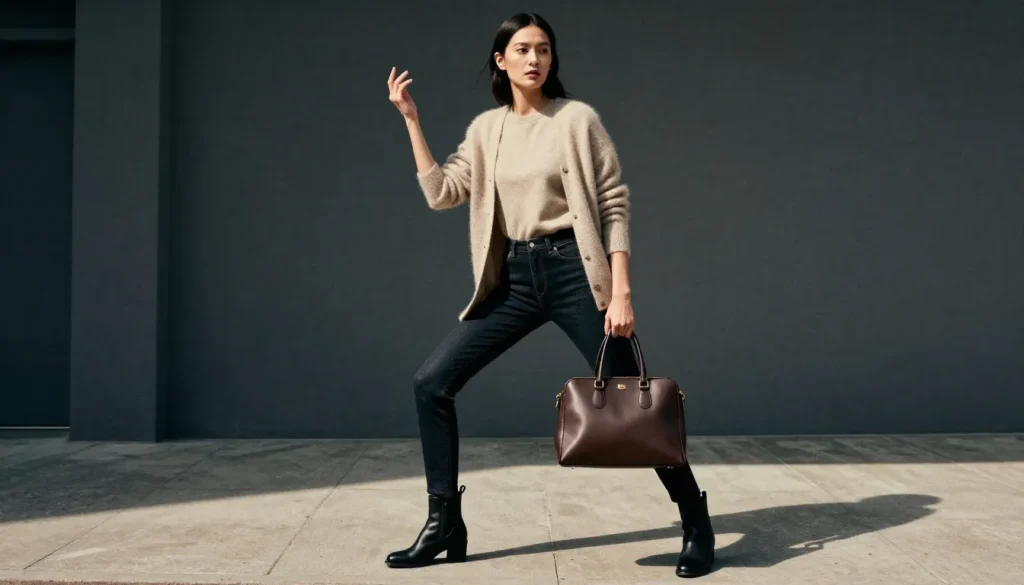
The environment you work in plays a huge role in what you wear.
In casual households, clothing expectations are often relaxed. However, even in informal homes, intentional and tidy clothing builds professionalism.
In more formal or high-profile households, nannies may choose more structured pieces while maintaining comfort. Neutral colors, tailored fits, and minimal accessories are common.
Live-in nannies often benefit from separating work clothes and personal clothes. This distinction helps maintain boundaries and a sense of personal space.
Urban nannies who rely on public transportation prioritize footwear and weather-ready clothing, while suburban nannies may focus more on ease of movement and durability.
Seasonal Planning for Nanny Wardrobes
Weather changes significantly affect nanny outfits.
Summer outfits should prioritize breathability and sun protection. Lightweight fabrics, comfortable shoes, and practical layering prevent overheating during outdoor activities.
Fall and spring require flexibility. Light jackets, cardigans, or hoodies allow for easy temperature adjustment throughout the day.
Winter nanny outfits focus on warmth and safety. Insulated coats, waterproof footwear, and slip-resistant soles are essential for outdoor time and school drop-offs.
Planning seasonal wardrobes ahead of time prevents last-minute discomfort.
Personal Style Within Professional Boundaries
Nanny outfits don’t require abandoning personal style. Many caregivers express individuality through color, texture, or layering while staying appropriate.
A favorite sweater, a comfortable jacket, or subtle accessories can add personality. The key is ensuring style choices don’t interfere with safety or functionality.
When caregivers feel like themselves at work, confidence and job satisfaction increase—and that energy carries into caregiving.
Accessories That Make Nanny Life Easier
Accessories should serve a purpose in nanny outfits.
Practical bags with multiple compartments help nannies carry snacks, diapers, wipes, and personal items without strain. Hands-free options like backpacks or crossbody bags are especially useful.
Hair accessories that keep hair secure reduce distraction during active moments. Watches or smart devices help manage schedules without constant phone use.
Each accessory should simplify the day, not complicate it.
Common Nanny Outfit Mistakes
Many nannies learn outfit lessons through experience.
Choosing clothes that restrict movement is a common mistake. Tight, stiff, or delicate garments quickly become uncomfortable.
Ignoring shoe quality often leads to pain or fatigue. Supportive footwear is a long-term investment in health.
Over-accessorizing can create safety risks, especially with infants and toddlers.
Finally, failing to communicate with parents about dress expectations can lead to discomfort. Clear conversations prevent misunderstandings.
How Parents Can Support Appropriate Nanny Outfits
Parents can play a positive role by communicating expectations early and respectfully.
Discussing safety, comfort, and activity level helps nannies dress appropriately without feeling judged. Some families offer clothing stipends for work-specific needs, especially for outdoor or travel-heavy roles.
Supportive communication builds trust and strengthens the caregiving relationship.
Conclusion:
Nanny outfits are not about appearance for appearance’s sake. They are tools that support movement, comfort, professionalism, and confidence. The best outfits fade into the background, allowing caregivers to focus on children instead of distractions.
When nannies dress intentionally, they protect their energy and reinforce the value of their work. When parents understand the importance of practical attire, collaboration improves.
In a role defined by care, patience, and constant motion, clothing should support the work—not compete with it. Dressing well as a nanny is ultimately about being ready for whatever the day brings.
FAQs
What is the best outfit for a nanny to wear daily?
The best daily nanny outfit is comfortable, flexible, and appropriate. Stretchy pants, breathable tops, and supportive shoes work well for most childcare settings.
Are leggings acceptable as nanny outfits?
Yes, as long as they are opaque, well-fitted, and paired with longer tops. Many nannies prefer leggings for their comfort and mobility.
Do nannies need to dress professionally in casual homes?
Professionalism in nannying means dressing intentionally and appropriately, even in relaxed households. Clean, functional clothing is usually sufficient.
What shoes are recommended for nannies?
Supportive sneakers or flat shoes with good arch support are ideal. Foot comfort is essential for long hours of movement and standing.
Can parents require specific clothing?
Parents can set reasonable guidelines, especially for safety or outings. Clear, respectful communication early in the relationship works best.
Can nannies wear dresses while working?
Yes, if the dress allows free movement and adequate coverage. Stretchy, knee-length styles are usually most practical.
How many outfits does a nanny need?
A small rotation of five to seven reliable outfits is often enough. Mixing and matching core pieces simplifies daily dressing.
What should nannies avoid wearing?
Clothing that restricts movement, requires constant adjustment, poses safety risks, or lacks support especially in shoes should be avoided.

Sofia Bennett is a fashion writer and style observer known for her clean sense of aesthetics and trend analysis. She has covered fashion shows, reviewed designer collections, and interviewed independent creators. Sofia specializes in connecting fashion with real-life lifestyle choices, helping readers understand what looks good — and why.