Introduction
If you have ever stood in front of a vending machine late at night, dropped in a few coins, and walked away with a snack, you have already interacted with one of the most quietly profitable business models in the world. That simple moment is exactly why a vending machine business plan matters. Behind that glass box of chips and drinks is a system that can generate income while you sleep, travel, or work another job.
For many aspiring entrepreneurs, vending machines feel approachable. You do not need a storefront, a big staff, or a massive marketing budget. Yet, that simplicity is also deceptive. Many people jump in thinking it is “easy money” and quickly discover that poor planning leads to empty machines, bad locations, and shrinking profits.
This guide is written from the perspective of someone who has seen both sides: the machines that quietly earn month after month and the ones that collect dust because the plan was weak. By the time you finish reading, you will understand exactly how a vending machine business works, why it can be so powerful, and how to build a practical, realistic plan that gives you the best chance of success. Whether you want a side hustle or a scalable small business, this article walks you through the entire journey step by step.
Understanding the vending machine business plan
At its core, a vending machine business plan is your roadmap. It explains what you will sell, where you will sell it, how much it will cost to operate, and how you expect to make a profit. Think of it like a GPS for your business. Without it, you may still move forward, but you are far more likely to take wrong turns.
The vending business is often compared to real estate in miniature. Location is everything. A machine in a busy office, hospital, or gym can outperform three machines placed in low-traffic areas. Your plan helps you evaluate foot traffic, customer habits, and product demand before you invest money.
Another important element is product-market fit. A vending machine in a school needs different items than one in a warehouse or hotel lobby. Your business plan forces you to think through these details instead of guessing. It also helps you decide whether you are running a traditional snack-and-soda operation, a healthy vending concept, or a more advanced smart vending setup with cashless payments.
Finally, a vending machine business plan gives you credibility. If you ever seek a small loan, partner with a location owner, or scale into multiple machines, having a clear plan shows that you are serious, informed, and prepared.
Benefits and real-world use cases
One of the biggest benefits of a vending machine business is flexibility. It can start as a side hustle and slowly grow into a full-time income stream. Many operators begin with one or two machines, learn the ropes, then expand once they see consistent cash flow.
Another major advantage is low overhead compared to traditional retail. You do not pay rent for a storefront or salaries for staff. Once a machine is installed, your main responsibilities are restocking, maintenance, and bookkeeping. This makes vending ideal for people who want semi-passive income with predictable routines.
In real-world use cases, vending machines thrive in environments where convenience matters. Offices want quick snacks for employees. Gyms want protein bars and drinks. Hospitals need 24/7 food access. Schools, apartment buildings, factories, and transport hubs all offer strong opportunities if approached correctly.
Vending machines also adapt well to trends. Healthy snacks, energy drinks, fresh food, and even electronics or personal care items can be sold through machines. With the right planning, you can align your offerings with consumer demand and differentiate yourself from outdated snack-only setups.
Step-by-step guide to building a vending machine business plan
Step 1: Define your business model
Start by deciding what type of vending business you want to run. Will you focus on snacks and beverages, healthy options, specialty items, or a mix? Your decision affects machine cost, product pricing, and target locations.
You should also define whether this is a small side business or something you want to scale aggressively. A single-machine plan looks very different from a ten-machine rollout. Be honest about your time, budget, and goals.
Step 2: Research locations and demand
Location research is the most critical step. Walk through potential areas and observe foot traffic. Talk to business owners or property managers. Ask how many people use the space daily and what kind of vending options already exist.
Your plan should clearly list ideal locations, why they work, and how you will secure placement. Some operators offer revenue sharing, while others negotiate free placement. Include these strategies in your plan.


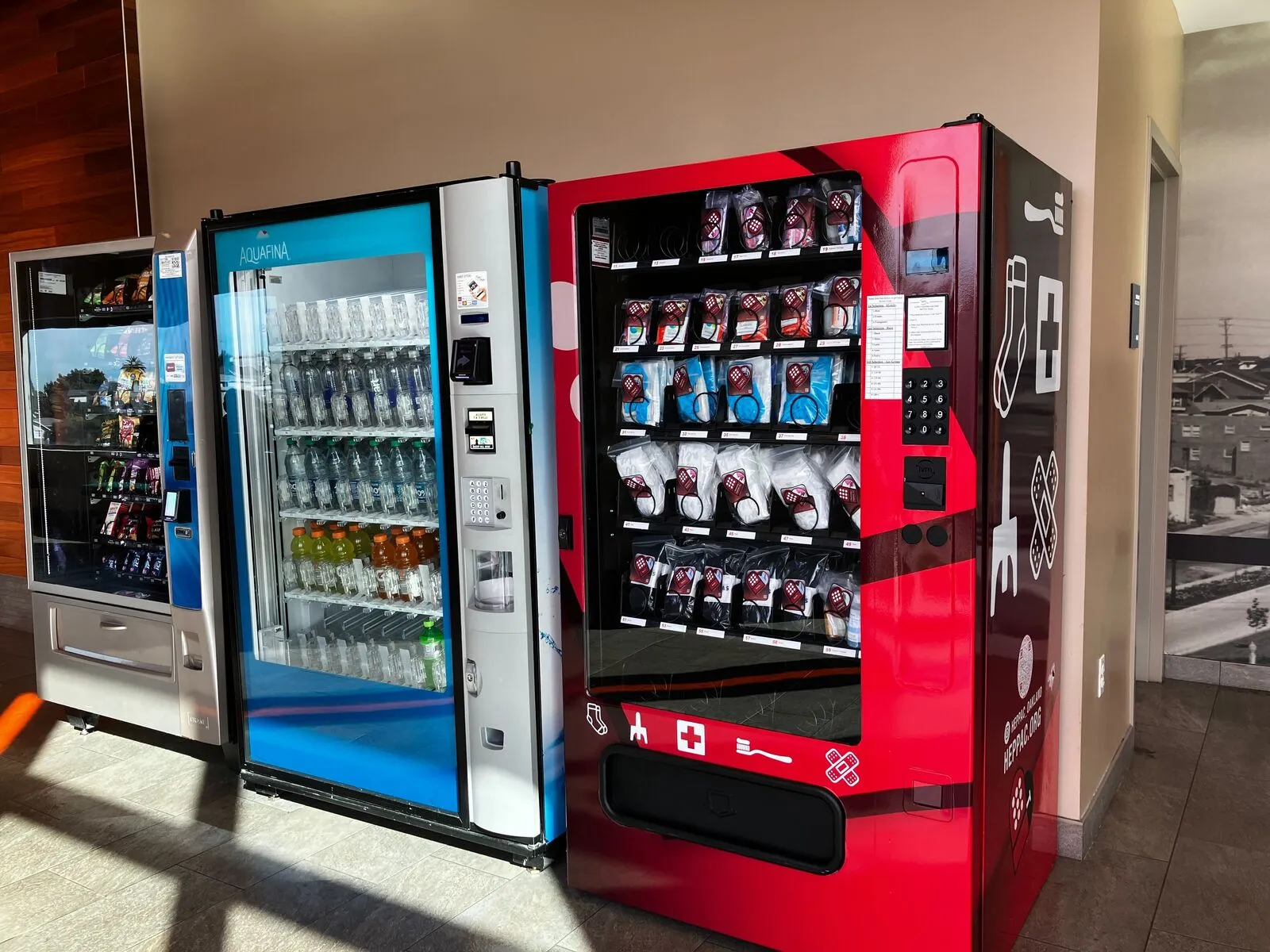
4
Step 3: Choose machines and suppliers
Next, outline the type of machines you will purchase. New machines cost more but require less maintenance. Used machines are cheaper but risk breakdowns. Your plan should compare costs, warranties, and expected lifespan.
List suppliers for machines, snacks, and drinks. Reliable suppliers reduce downtime and ensure consistent stock. This section shows that you have done your homework and are not relying on guesswork.
Step 4: Financial planning and pricing
A strong vending machine business plan always includes realistic financials. Estimate startup costs, including machines, inventory, transportation, and permits. Then calculate monthly expenses such as restocking, repairs, and commissions.
Pricing strategy matters. Items must be affordable for customers while still profitable. Include break-even analysis and realistic profit projections. Conservative estimates build trust and help you plan smarter.
Step 5: Operations and maintenance
Explain how often you will restock machines, track inventory, and handle repairs. Will you use cashless systems? Will you monitor sales remotely? These details show that you understand daily operations, not just theory.
Tools, comparisons, and expert recommendations
Running a vending business today is easier with the right tools. Cashless payment systems increase sales by catering to customers who do not carry cash. Inventory tracking apps help you restock efficiently and avoid empty machines.
When comparing free versus paid tools, free options are useful when starting small. Paid systems become valuable as you scale because they save time and reduce errors. Your plan should mention which tools you will use at each growth stage and why.
Experts often recommend starting simple. Focus on reliable machines and popular products before experimenting with advanced technology. Once cash flow is steady, upgrading makes sense.


Common mistakes and how to fix them
One of the most common mistakes is choosing poor locations. Even the best machine fails without traffic. Fix this by spending more time scouting and negotiating placements.
Another error is overstocking unpopular items. Beginners often assume their personal taste matches customer demand. Sales data, not opinions, should guide product selection.
Ignoring maintenance is another issue. A broken machine earns nothing. Build maintenance checks into your routine and budget for repairs.
Finally, many operators underestimate costs. Fuel, repairs, and spoilage add up. A detailed business plan prevents unpleasant surprises and keeps expectations realistic.
Conclusion
A vending machine business plan is more than a document. It is a thinking process that forces you to slow down, analyze, and build something sustainable. When done correctly, vending can be a dependable income stream that grows steadily over time.
The beauty of this business lies in its balance. It is simple but not careless, passive but not lazy. With a clear plan, smart locations, and consistent execution, vending machines can quietly work for you day after day. If you are serious about starting, take the time to write your plan properly. Your future self will thank you.
FAQs
What is a vending machine business plan?
It is a written strategy that outlines your products, locations, costs, operations, and profit expectations.
How much does it cost to start a vending machine business?
Startup costs vary, but many begin with a few thousand dollars for machines and initial inventory.
Is vending machine business profitable?
Yes, with good locations and management, it can generate steady profits.
Do I need permits for vending machines?
Requirements vary by location, so research local regulations before starting.
How many vending machines should I start with?
Many beginners start with one or two machines to learn before expanding.

Michael Grant is a business writer with professional experience in small-business consulting and online entrepreneurship. Over the past decade, he has helped brands improve their digital strategy, customer engagement, and revenue planning. Michael simplifies business concepts and gives readers practical insights they can use immediately.