If you’ve ever wondered why some digital experiences feel instant while others lag, why certain enterprises scale smoothly while others struggle under growth, or why “the network” has quietly become one of the most valuable business assets in the world, you’re already circling the heart of lumen technology.
This guide is written for founders, IT leaders, investors, engineers, and decision-makers who don’t want surface-level explanations. It’s for people who need to understand how modern networks actually work, why they matter right now, and how to use them strategically—not just technically.
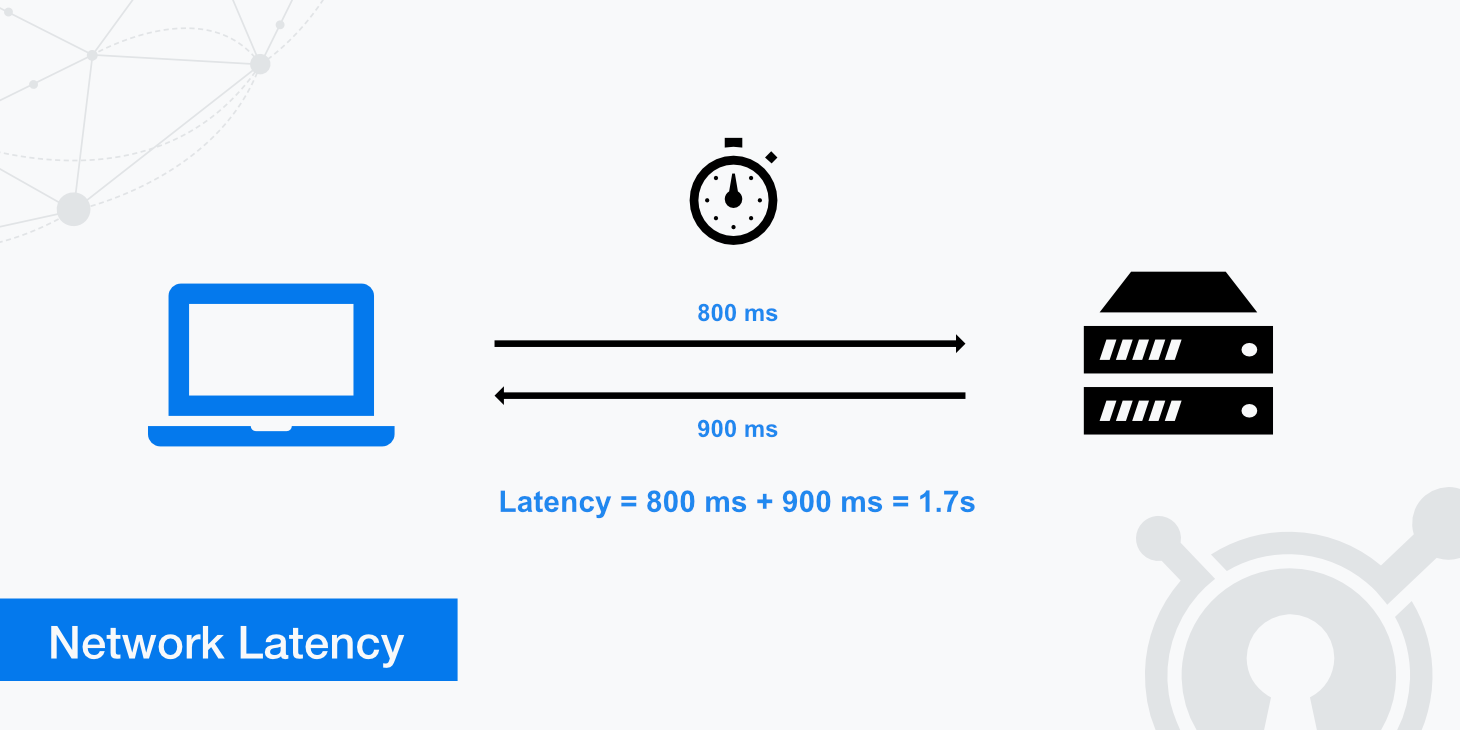
I’ve worked with enough technology teams to know this truth: most problems blamed on “cloud,” “security,” or “software” are, at their core, network problems. Latency, reliability, visibility, and scale decide whether digital transformation succeeds or quietly bleeds money.
That’s where lumen technology enters the conversation—not as hype, but as infrastructure reality.
Understanding Lumen Technology from First Principles (Beginner to Expert)
At its simplest, lumentechnology refers to high-capacity, intelligent network infrastructure designed to move massive amounts of data quickly, securely, and predictably across the globe.
Think of it like this:
- Old networks were country roads: slow, fragmented, and designed for light traffic
- Modern networks are smart highways with traffic sensors, express lanes, and real-time routing
Lumen technology focuses on building and managing those highways.
At the center of this ecosystem is Lumen Technologies, a company formed from decades of telecom evolution (including CenturyLink and Level 3). What makes Lumen different is not just fiber—it’s how that fiber is instrumented, automated, and integrated with compute, cloud, and security layers.
Key pillars of lumen technology include:
- Massive global fiber networks
- Low-latency data transport
- Edge computing capabilities
- Integrated security at the network level
- Software-defined control and visibility
For beginners, the takeaway is simple: lumen technology is about making data move faster and smarter.
For experts, it’s about architecting networks as programmable platforms, not static utilities.
Why Lumen Technology Matters More Than Ever in 2026 and Beyond


Ten years ago, bandwidth was a nice-to-have. Today, it’s existential.
Here’s what’s changed:
- Cloud applications are no longer centralized
- Users expect instant performance everywhere
- AI workloads move enormous datasets continuously
- Security threats target the network itself
- Remote work is permanent, not temporary
In practical terms, this means businesses are punished—financially and reputationally—for poor network design.
Lumen technology addresses these pressures by focusing on three modern requirements:
- Latency over bandwidth
Speed is no longer about raw throughput. A 10ms delay can break trading platforms, video calls, or AI inference pipelines. - Visibility over complexity
If you can’t see traffic in real time, you can’t secure or optimize it. - Distribution over centralization
Workloads now live at the edge, in clouds, and across continents.
Organizations adopting lumen technology frameworks aren’t just upgrading infrastructure—they’re future-proofing operational resilience.
Core Components That Define Lumen Technology in Practice
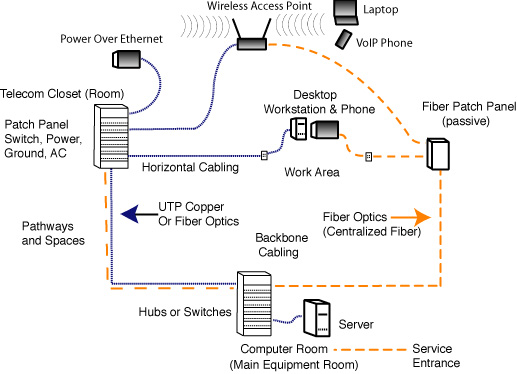

To understand how lumen technology actually works, let’s break it into tangible components you’ll encounter in real deployments.
Global Fiber Backbone
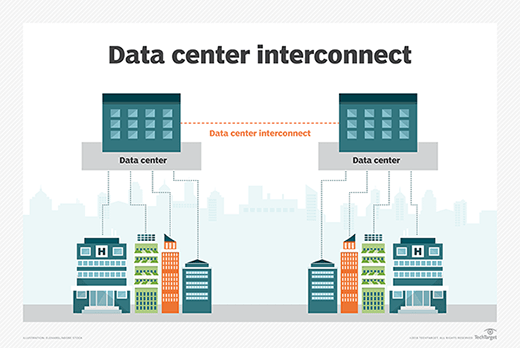
Lumen operates one of the world’s largest fiber networks, connecting:
- Data centers
- Cloud providers
- Enterprises
- Governments
This backbone minimizes hops, reduces congestion, and improves predictability—something public internet routing can’t guarantee.
Software-Defined Networking (SDN)
Instead of manual configuration, networks are:
- Programmable
- Automated
- Policy-driven
This allows real-time routing changes, failover, and performance optimization without physical intervention.
Edge Compute Integration
Lumen technology pushes compute closer to users, enabling:
- Faster application response
- Reduced cloud egress costs
- Better support for IoT and AI inference
Network-Embedded Security
Security isn’t bolted on—it’s built in:
- DDoS mitigation at the edge
- Traffic inspection in transit
- Segmentation by default
This architectural approach reduces attack surfaces dramatically.
Benefits and Real-World Use Cases Across Industries

Enterprise IT & Cloud-First Companies
Before:
- Inconsistent cloud performance
- VPN bottlenecks
- Rising latency complaints
After adopting lumen technology:
- Direct cloud on-ramps
- Predictable performance SLAs
- Simplified hybrid architectures
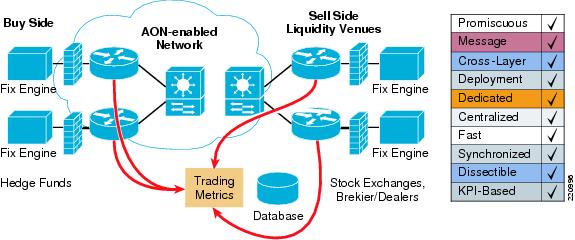
Financial Services & Trading
Milliseconds equal money.
Lumen technology supports:
- Ultra-low-latency trading routes
- Secure private circuits
- Redundant paths for uptime guarantees
Healthcare & Telemedicine
Healthcare systems rely on:
- Real-time imaging
- Secure patient data transport
- High availability
Network-embedded security and low latency make remote diagnostics viable at scale.
Media, Gaming, and Streaming
For industries where buffering equals churn:
- Edge caching
- Optimized routing
- Scalable bandwidth on demand
These aren’t luxuries—they’re survival tools.
A Step-by-Step Guide to Implementing Lumen Technology Strategically
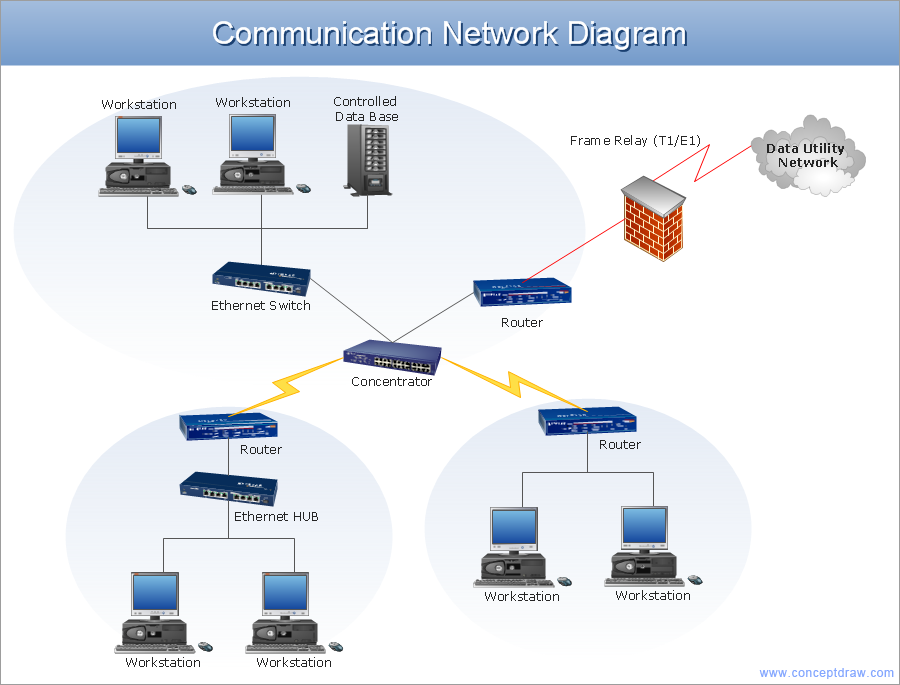
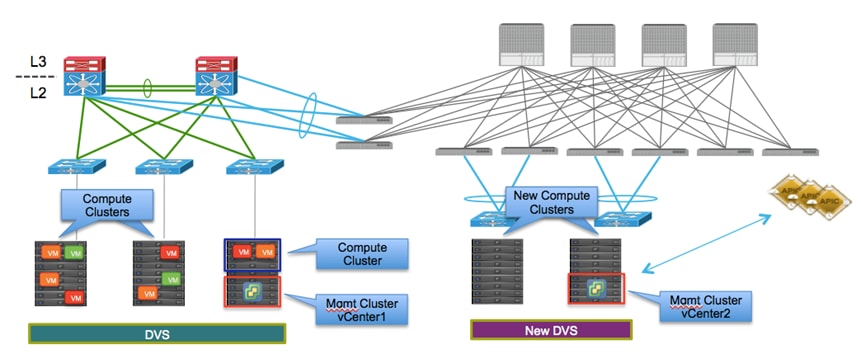
Step 1: Audit Your Current Network Reality
Ask uncomfortable questions:
- Where is latency actually coming from?
- Which applications suffer most?
- What traffic patterns are unpredictable?
Visibility comes before optimization.
Step 2: Define Performance, Not Just Cost, Goals
Many teams fixate on bandwidth pricing and ignore:
- Latency targets
- Jitter tolerance
- Failover times
Lumen technology shines when performance metrics guide design.
Step 3: Choose Connectivity Models Intentionally
Options include:
- Private fiber
- Hybrid public/private routing
- Cloud direct connect
Each has trade-offs. The right answer depends on workload sensitivity.
Step 4: Integrate Security Early
Bake in:
- DDoS protection
- Segmentation
- Monitoring
Retrofitting security later costs more and protects less.
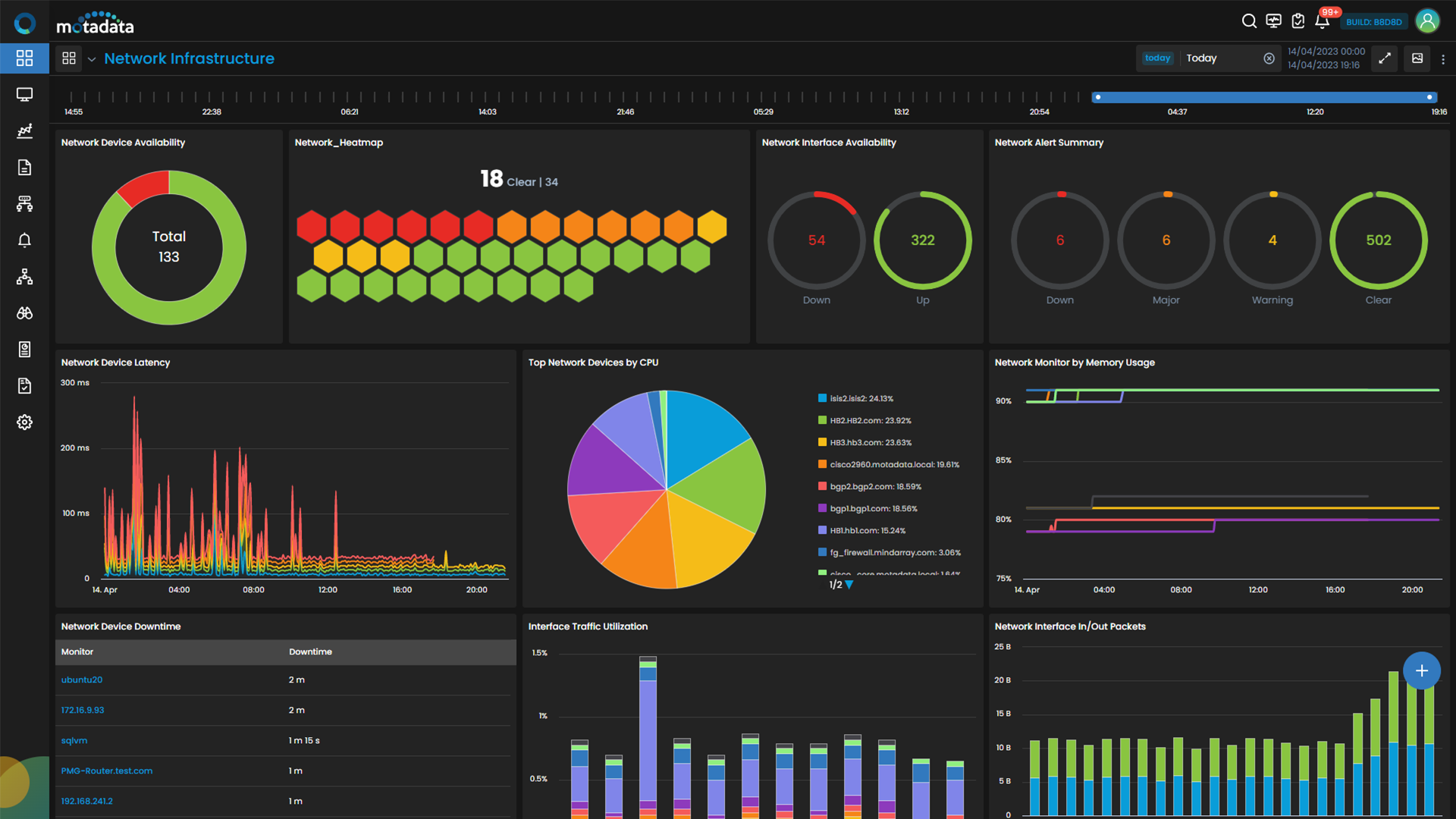
Step 5: Monitor, Measure, Iterate
Networks are living systems. Continuous measurement is non-negotiable.
Tools, Comparisons, and Expert Recommendations
Lumen vs Traditional ISPs
Traditional ISPs:
- Best-effort routing
- Limited visibility
- Reactive support
Lumen technology:
- Performance-driven routing
- Real-time analytics
- Enterprise-grade SLAs
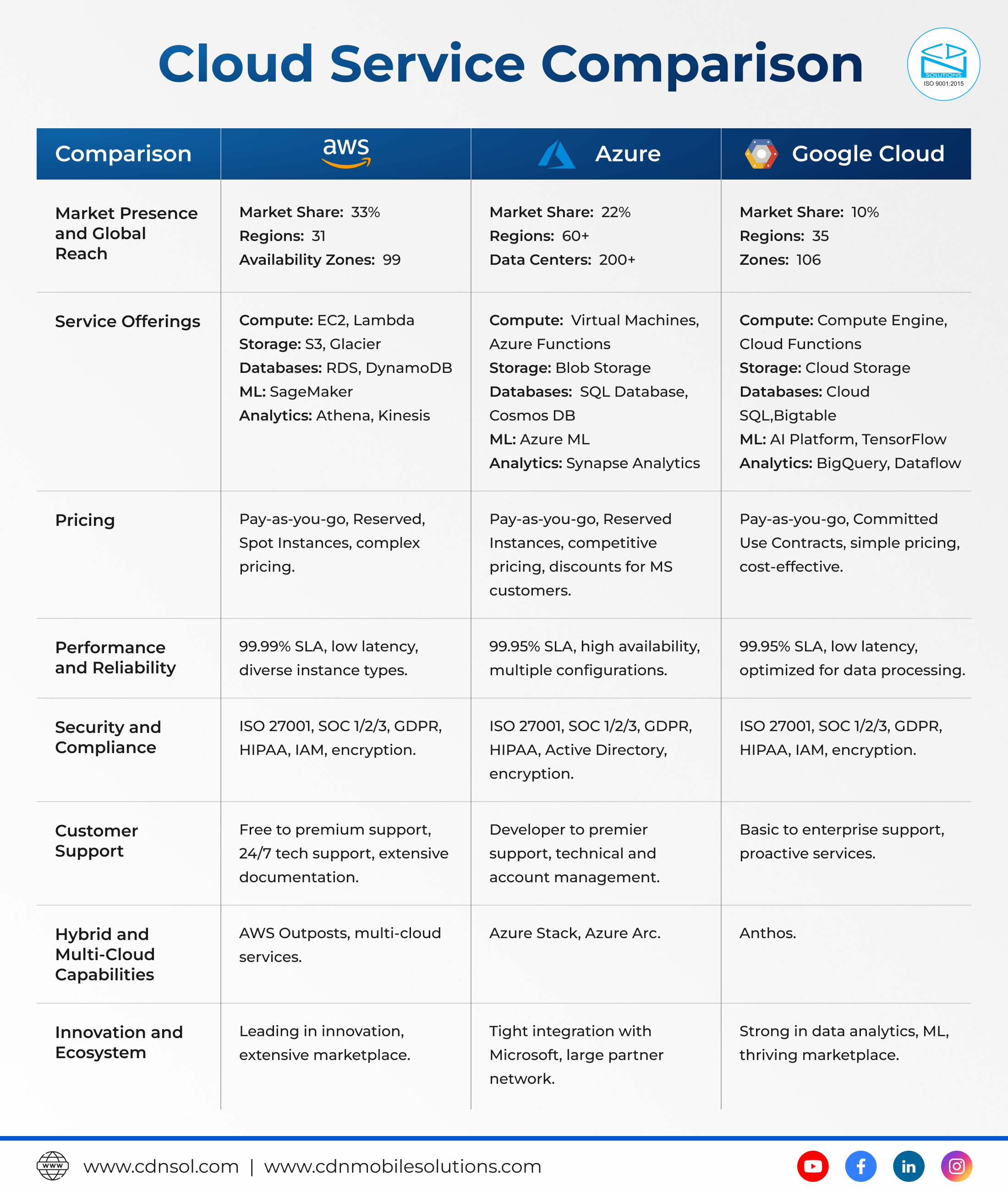
Lumen vs Cloud-Native Networking Alone
Cloud networks are powerful—but:
- They don’t control physical paths
- Latency varies by region
- Egress costs accumulate
Lumen complements cloud by anchoring physical reality.
When Lumen Makes the Most Sense
Best for:
- Multi-region enterprises
- Latency-sensitive workloads
- Security-conscious organizations
Overkill for:
- Single-office small businesses
- Low-traffic static sites
Common Mistakes Companies Make with Lumen Technology


Mistake 1: Treating It Like a Commodity ISP
This wastes its strengths. Lumen technology requires architectural thinking, not procurement shortcuts.
Mistake 2: Ignoring Application Mapping
Networks should follow application flows—not org charts.
Mistake 3: Underestimating Change Management
New network capabilities change workflows. Teams need training, not just contracts.
Mistake 4: Measuring the Wrong KPIs
Uptime alone isn’t enough. Measure experience, latency, and recovery time.
The Strategic Future of Lumen Technology
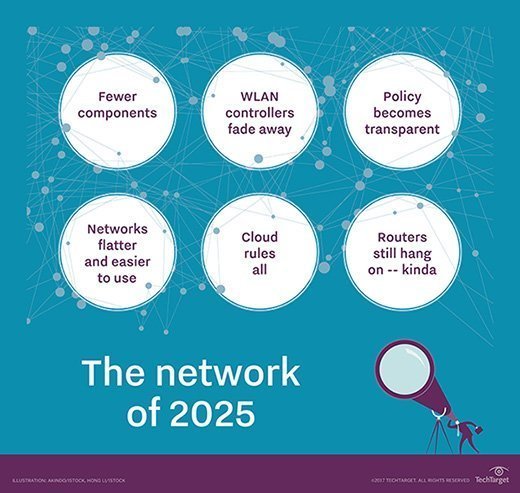


Looking ahead, lumen technology is positioned at the intersection of:
- AI data movement
- Distributed cloud
- Sovereign data requirements
- Zero-trust networking
As applications decentralize, the network becomes the platform.
Companies that understand this early gain durable advantages. Those that don’t end up chasing performance problems they can’t debug.
Conclusion: Why Lumen Technology Is a Competitive Advantage, Not Just Infrastructure
Lumen technology isn’t about cables or contracts—it’s about control.
Control over latency.
Control over visibility.
Control over security.
Control over scale.
If your business depends on digital performance—and in 2026, whose doesn’t?—then understanding and leveraging lumen technology is no longer optional. It’s strategic literacy.
Start by auditing. Design intentionally. Measure relentlessly. And treat the network as the asset it truly is.
FAQs
What is lumen technology in simple terms?
It’s enterprise-grade network infrastructure designed for high speed, low latency, and intelligent data routing.
Is Lumen Technology only for large enterprises?
Mostly, yes—but mid-market firms with performance-critical needs can benefit significantly.
How does lumen technology differ from standard internet service?
It offers private routing, visibility, and performance guarantees standard ISPs don’t.
Does lumen technology replace cloud networking?
No. It complements cloud by controlling physical data paths.
Is lumen technology expensive?
It’s an investment—but often cheaper than performance failures, outages, or security breaches.

Adrian Cole is a technology researcher and AI content specialist with more than seven years of experience studying automation, machine learning models, and digital innovation. He has worked with multiple tech startups as a consultant, helping them adopt smarter tools and build data-driven systems. Adrian writes simple, clear, and practical explanations of complex tech topics so readers can easily understand the future of AI.