Picture this: it’s 6:30 p.m. You’re tired, hungry, and staring into the refrigerator hoping dinner will magically plan itself. You want something healthy, fast, and satisfying—but your brain is done for the day. Now imagine your kitchen already knows what’s inside that fridge, understands your dietary goals, suggests a recipe based on what you have, preheats the oven automatically, and adjusts cooking time so nothing burns.
That’s not science fiction. That’s kitchen AI, and it’s already reshaping how homes, restaurants, and food businesses operate.
Kitchen AI matters right now because modern cooking has collided with modern life. People want healthier meals, less food waste, faster preparation, and more consistency—without turning cooking into a second job. At the same time, rising food costs, sustainability concerns, and labor shortages are pushing both households and commercial kitchens to rethink how they operate.
This article is for home cooks who feel overwhelmed, professionals chasing efficiency, food entrepreneurs building smarter kitchens, and curious technologists who want to understand where cooking is headed. By the end, you’ll know exactly what kitchen AI is, how it works in the real world, which tools actually deliver value, and how to avoid the hype traps most people fall into.
This isn’t filler content. This is a practical, experience-driven guide designed to help you make smarter decisions—whether you’re upgrading one appliance or rethinking your entire kitchen workflow.
What Is Kitchen AI? A Clear, Human Explanation
Kitchen AI is the application of artificial intelligence technologies—machine learning, computer vision, predictive analytics, and natural language processing—to cooking, food preparation, meal planning, and kitchen management.
The easiest way to understand it is to think of your kitchen as a teammate rather than a set of tools.
Traditional appliances wait for instructions. Kitchen AI observes, learns, and assists. Over time, it adapts to how you cook, what you eat, and what you prefer—much like a seasoned sous-chef who already knows your habits.
At a basic level, kitchen AI might recommend recipes based on available ingredients. At a more advanced level, it can:
- Detect doneness using internal cameras and sensors
- Adjust heat in real time based on food moisture
- Track inventory automatically
- Predict grocery needs before you run out
- Optimize energy usage across appliances
For beginners, it might look like a smart app suggesting dinner ideas. For power users, it becomes a fully connected ecosystem where appliances, software, and data work together seamlessly.
What makes kitchen AI different from “smart kitchen” tech of the past is learning. Instead of rigid presets, AI systems evolve. If you always undercook salmon slightly, the system notices. If you avoid sugar, it stops suggesting dessert-heavy meals. If Sunday meal prep is your routine, it plans around it.
The real magic isn’t automation—it’s anticipation.
How Kitchen AI Works Behind the Scenes (Without the Jargon)
To really trust kitchen AI, it helps to understand how it works in plain terms.
Most kitchen AI systems rely on four core components working together.
First is data input. This comes from sensors, cameras, apps, voice commands, and user behavior. When you open the fridge, scan groceries, or select a recipe, data is being collected.
Second is pattern recognition. AI systems analyze this data to identify habits. What you cook most often, when you cook, how long meals take, and which recipes you abandon halfway through all matter.
Third is decision-making. Based on those patterns, the system makes predictions and recommendations—suggesting meals, adjusting cook times, or alerting you to expiring ingredients.
Finally, there’s feedback. When you override a suggestion or rate a recipe poorly, the AI recalibrates. Over time, accuracy improves.
This is why kitchen AI feels clumsy at first but increasingly helpful after a few weeks. Like a human assistant, it needs context.
The biggest misconception is that kitchen AI replaces skill. In reality, it augments it. Skilled cooks use it to reduce mental load. Beginners use it to build confidence faster.
The Real Benefits of Kitchen AI (And Who Gains the Most)
Kitchen AI isn’t for everyone—but for the right people, it’s transformative.
Home cooks benefit most from reduced decision fatigue. Instead of asking “what’s for dinner?” every night, the answer is ready. Meal planning becomes proactive rather than reactive, which leads to healthier choices and less waste.
Busy professionals gain time. Automating prep steps, temperature control, and timing frees up mental energy. Cooking becomes something you do alongside life, not instead of it.
Families see consistency. AI-driven kitchens help manage allergies, dietary preferences, and portion sizes with less guesswork. Parents don’t have to reinvent dinner nightly.
Restaurants and food businesses experience operational clarity. Kitchen AI can forecast demand, reduce spoilage, and standardize output—critical in high-volume environments where margins are thin.
Before kitchen AI, cooking was reactive. You responded to hunger, time pressure, and missing ingredients. After kitchen AI, cooking becomes intentional. Meals align with goals, budgets, and schedules.
The biggest win is confidence. When systems support you, you try new dishes, reduce waste, and enjoy the process again.
Practical Use Cases You’ll Actually See in Real Kitchens


Kitchen AI shows up in subtle but powerful ways.
In home kitchens, AI-powered ovens monitor food visually and adjust heat automatically. Fridges recognize stored items and suggest meals before produce spoils. Apps integrate health data to recommend meals aligned with fitness goals.
In meal kit services, AI predicts customer preferences and reduces surplus by adjusting shipments. In commercial kitchens, AI systems track prep times and flag bottlenecks before service slows.
One overlooked use case is energy efficiency. AI kitchens optimize appliance usage based on time of day and load, cutting electricity costs without sacrificing performance.
Another is accessibility. For people with limited mobility or vision, voice-controlled AI kitchens make cooking safer and more inclusive.
What matters isn’t the flashiness—it’s reliability. The best kitchen AI fades into the background, quietly making things easier.
A Step-by-Step Guide to Adopting Kitchen AI the Smart Way
Jumping into kitchen AI without a plan often leads to frustration. The best results come from a phased approach.
Start with your pain points. Are you struggling with meal planning, food waste, timing, or consistency? Choose AI tools that solve one real problem first.
Next, begin software-first. Apps and platforms are easier to test than hardware. Recipe recommendation engines and inventory trackers offer immediate value with minimal investment.
Once comfortable, layer in hardware. Smart ovens, fridges, or cooktops work best when paired with software you already trust.
Pay attention to integration. A disconnected smart appliance isn’t AI—it’s a gadget. Look for systems that communicate across devices.
Finally, give it time. Kitchen AI improves through usage. Resist the urge to judge it in the first week.
The biggest pro tip: override it occasionally. Active feedback trains the system faster than passive use.
Kitchen AI Tools Worth Your Attention (And Why)

Several platforms stand out for practical performance.
Samsung Bespoke AI focuses on adaptive appliances that learn usage patterns. It’s best for users building a connected kitchen ecosystem rather than isolated upgrades.
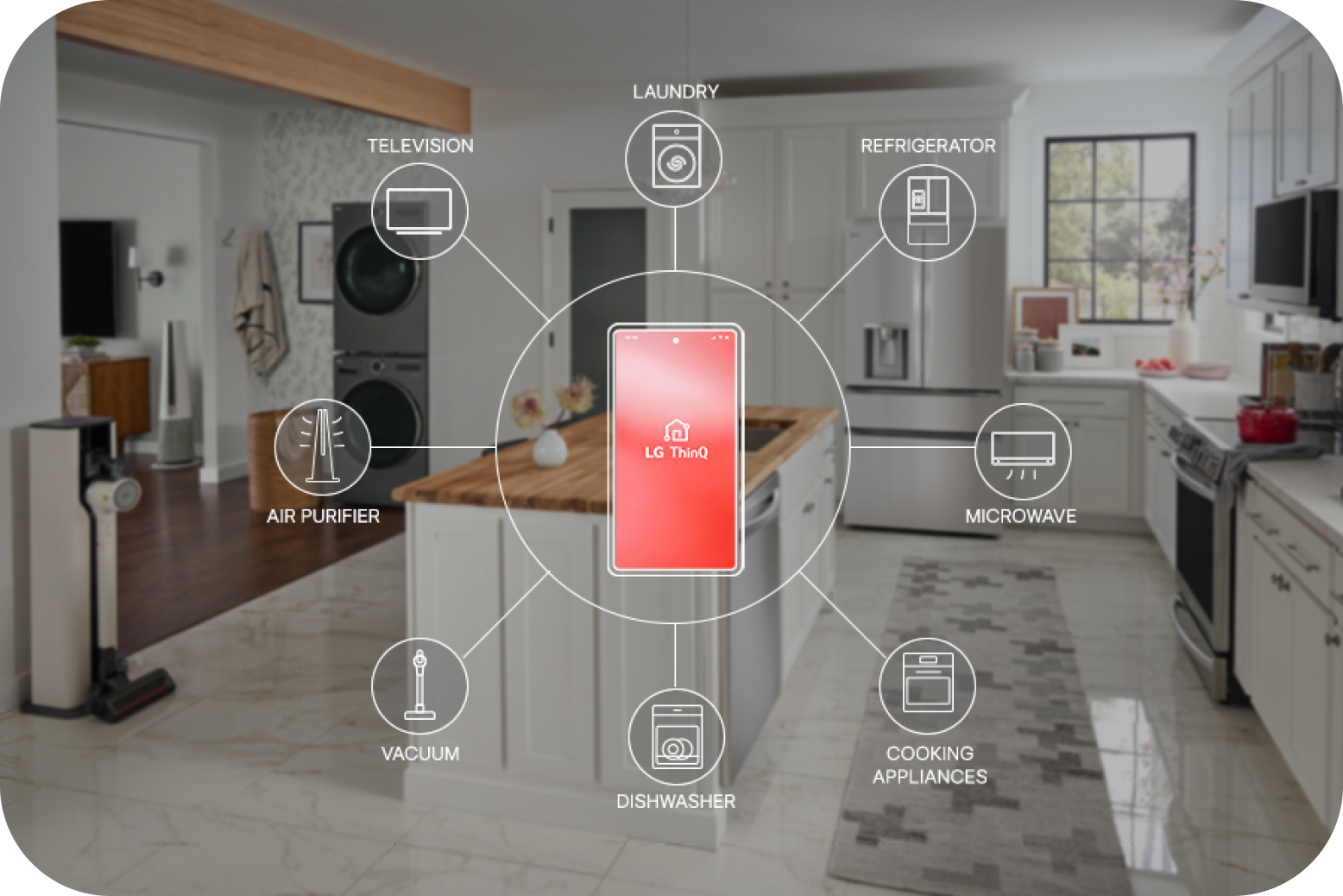
LG ThinQ excels in integration and remote management, making it ideal for busy households that want control from anywhere.
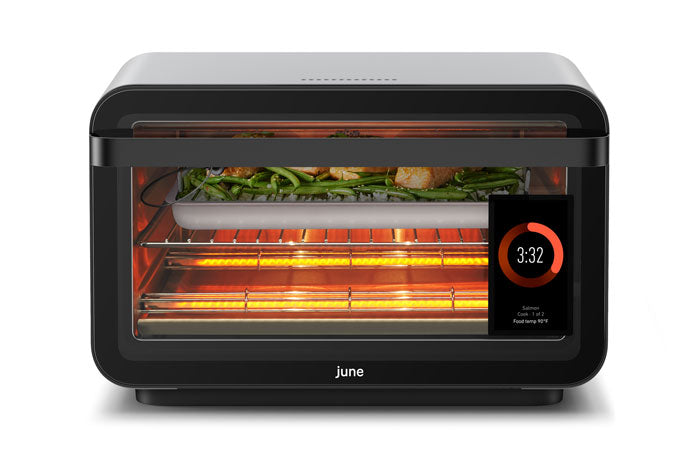
June Oven remains one of the most intuitive AI cooking devices, especially for users who want guided cooking without complexity.
SideChef is a strong software-first choice, offering guided cooking and appliance integration for beginners.
Tovala blends AI with meal kits, perfect for users who want automation with minimal prep.
Free tools work well for learning. Paid solutions shine when reliability and automation matter.
Common Kitchen AI Mistakes (And How to Avoid Them)
The most common mistake is buying hardware before understanding workflows. A smart oven won’t fix poor meal planning.
Another is expecting perfection. AI suggestions improve over time, but only if you engage.
Many users also over-automate. Cooking should still feel human. Use AI as support, not control.
Privacy concerns are often ignored. Always review data policies, especially with cameras and microphones.
Finally, people abandon tools too quickly. Kitchen AI rewards patience.
The fix is simple: start small, stay curious, and treat AI as a collaborator.
The Future of Kitchen AI: Where Things Are Headed
Kitchen AI is moving toward predictive nutrition, zero-waste kitchens, and deeper personalization. Soon, systems will balance taste, health, budget, and sustainability automatically.
We’ll see more cross-platform integration, where fitness trackers, grocery services, and appliances communicate seamlessly.
The future kitchen won’t feel futuristic. It will feel calm, organized, and intentional.
Conclusion: Is Kitchen AI Worth It?
Kitchen AI isn’t about replacing tradition—it’s about protecting it. By removing friction, it gives people more space to enjoy cooking again.
If you value time, consistency, and smarter choices, kitchen AI is already worth exploring. Start with one tool. Learn how it fits your life. Let it grow with you.
The smartest kitchens aren’t the most expensive ones. They’re the ones that understand their users.
FAQs
What is kitchen AI used for?
Kitchen AI helps with meal planning, cooking automation, inventory management, and energy efficiency.
Is kitchen AI expensive?
It ranges from free apps to premium appliances. Most people start with low-cost software tools.
Does kitchen AI replace cooking skills?
No. It enhances decision-making and consistency while leaving creativity intact.
Is kitchen AI safe?
Reputable platforms follow strict safety and data standards. Always review privacy policies.
Can beginners use kitchen AI?
Yes. Many tools are designed specifically to build confidence for new cooks.

Adrian Cole is a technology researcher and AI content specialist with more than seven years of experience studying automation, machine learning models, and digital innovation. He has worked with multiple tech startups as a consultant, helping them adopt smarter tools and build data-driven systems. Adrian writes simple, clear, and practical explanations of complex tech topics so readers can easily understand the future of AI.