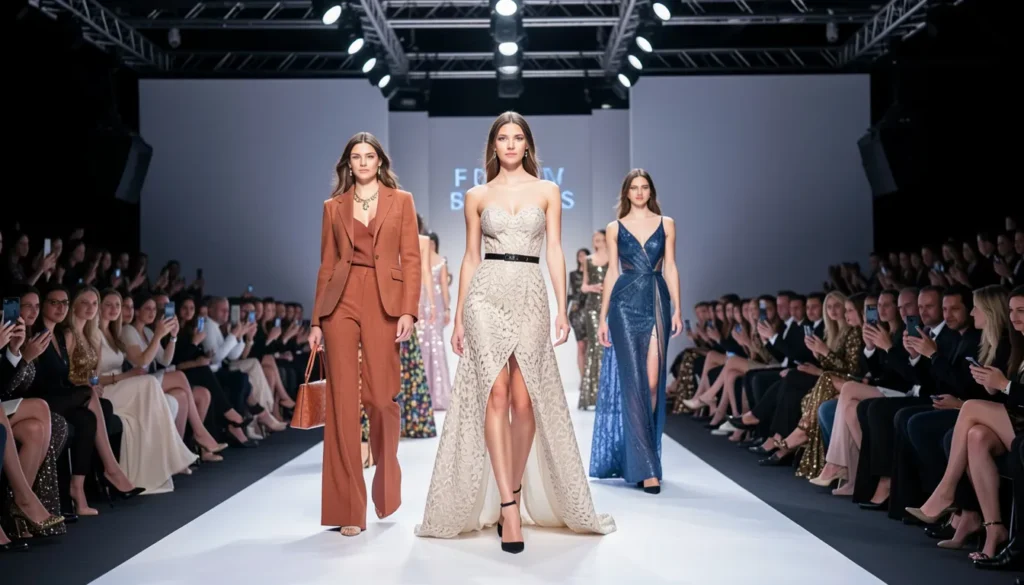
Walking down a luxury shopping street, you see the iconic logos of global brands shining in the windows. But what exactly is a fashion house, and how does it differ from a regular clothing brand? A fashion house is a company that specializes in the design, creation, and marketing of high-end clothing and accessories. These establishments dictate global style trends, define luxury, and build legacies that last for generations.
In this comprehensive guide, we will explore the inner workings of a luxury fashion house. You will learn how these brands operate, the difference between custom and commercial collections, and what it takes to build a successful high-fashion empire from the ground up.
Understanding the Modern Fashion House
A fashion house is much more than a business that sells clothes. It is an institution dedicated to artistry, craftsmanship, and brand prestige. Most legendary houses originated in Europe, specifically in fashion capitals like Paris, Milan, and London. They started as small boutiques or ateliers and grew into massive global enterprises.
To understand how these brands function, you must look at the two main categories of clothing they produce.
Haute Couture vs. Ready-to-Wear
The collections produced by a high-end fashion label generally fall into two distinct categories:
- Haute Couture: This translates to “high sewing.” These garments are custom-made for specific clients. They require thousands of hours of handcrafting by highly skilled artisans. Haute couture is wildly expensive and serves primarily as marketing to showcase the brand’s artistic capabilities.
- Ready-to-Wear (Prêt-à-Porter): These are the factory-made clothes you actually buy in the boutique. They are produced in standard sizes and sold globally. Ready-to-wear collections generate the vast majority of the company’s clothing revenue.
The Role of the Creative Director
Every great fashion house relies on a creative director to steer its artistic vision. This person is the face of the brand’s design department.
The creative director decides the theme, color palette, and silhouette for each season’s collection. They manage the design teams and ensure that every product—from a runway gown to a leather wallet—aligns with the brand’s core identity. When a luxury brand hires a new creative director, it often signals a massive shift in the company’s style and target audience.
How a Fashion House Builds Its Legacy
Creating beautiful clothes is only one part of the equation. To survive for decades, a brand must build a lasting legacy.
Brand Identity and Signature Styles
A successful luxury label creates signature items that become instantly recognizable. Think of the quilted texture of a classic Chanel handbag or the red sole of a Christian Louboutin shoe.
These signature elements do several things for the brand:
- They create a sense of exclusivity.
- They act as a status symbol for the consumer.
- They provide a reliable stream of income, as signature items rarely go out of style.
By repeating these motifs across decades, the house establishes a visual language that consumers trust and desire.
Expanding into Perfume and Accessories
While runway shows focus on elaborate garments, clothing usually makes up a small percentage of a brand’s total profits. The real money lies in accessories and cosmetics.
A luxury fashion house will almost always expand into:
- Handbags and small leather goods
- Eyewear and sunglasses
- Fragrances and cosmetics
- Watches and fine jewelry
These items have much higher profit margins than clothing. They also offer an entry point for aspirational consumers. Someone might not be able to afford a $5,000 dress, but they can buy a $40 lipstick to feel connected to the brand.
Famous Fashion Houses That Changed the Industry
Looking at the history of iconic brands helps us understand how the industry evolved. Several key players shaped the way we dress and consume luxury goods.
Chanel: Revolutionizing Women’s Wear
Founded by Coco Chanel in 1910, this house changed women’s fashion forever. Chanel moved women away from restrictive corsets and introduced comfortable, sporty silhouettes. The brand popularized the “little black dress” and the classic tweed suit, proving that high fashion could be both elegant and functional.
Dior: The New Look
After World War II, Christian Dior launched his first collection, dubbed the “New Look.” It featured cinched waists and voluminous skirts. This house brought glamour and excess back to the fashion world after years of wartime rationing. Dior remains a powerhouse in both haute couture and global cosmetics.
Gucci: From Leather Goods to Global Icon
Gucci started in Florence in 1921 as a maker of fine leather luggage. Over the decades, it evolved into a massive fashion empire. The brand is famous for reinventing itself through bold creative directors, transitioning from classic Italian leather goods to maximalist, trend-setting streetwear and high fashion.
How to Start Your Own Fashion House
Launching a new fashion label is incredibly challenging, but it is possible with the right strategy. You do not need to be based in Paris or Milan to build a luxury brand.
Finding Your Niche
You cannot compete directly with established luxury giants right away. Instead, find a unique angle.
- Focus on sustainable, ethically sourced materials.
- Master a specific garment, like the perfect tailored blazer.
- Blend high-fashion silhouettes with technical, athletic fabrics.
Sourcing and Manufacturing
Quality is the defining trait of a luxury house. You must source premium fabrics and find manufacturers who understand high-end construction. Build strong relationships with pattern makers, seamstresses, and fabric mills. Your product must feel expensive before you can charge a premium price for it.
Conclusion
A fashion house is an intricate blend of art, commerce, and storytelling. From the painstaking detail of haute couture to the global reach of a signature fragrance, these brands shape our culture and define luxury. Whether you are a fashion enthusiast or an aspiring designer, understanding the mechanics of a luxury label gives you a deeper appreciation for the garments you wear. Building a legacy brand takes time, but by focusing on quality, strong creative direction, and a clear brand identity, modern designers continue to push the boundaries of style.
Frequently Asked Questions (FAQs)
What is the difference between a fashion brand and a fashion house?
A fashion brand is a broad term for any company that sells clothing. A fashion house specifically refers to a high-end, luxury company that usually creates bespoke (haute couture) collections alongside ready-to-wear lines, often led by a prominent creative director.
Who owns the major fashion houses?
Today, most famous luxury brands are owned by massive multinational conglomerates. The two largest are LVMH (which owns Louis Vuitton, Dior, and Givenchy) and Kering (which owns Gucci, Saint Laurent, and Balenciaga).
How do fashion houses make money?
While their extravagant runway shows gain media attention, luxury labels make the majority of their profit through the sale of accessories, leather goods (handbags, belts), shoes, cosmetics, and fragrances.
What does a creative director do?
The creative director is the head designer and visionary for the brand. They dictate the themes, colors, and overall aesthetic of each collection, ensuring that all products and marketing materials align with the brand’s identity.

Sofia Bennett is a fashion writer and style observer known for her clean sense of aesthetics and trend analysis. She has covered fashion shows, reviewed designer collections, and interviewed independent creators. Sofia specializes in connecting fashion with real-life lifestyle choices, helping readers understand what looks good — and why.