What happens when ai and human intelligence stop competing and start collaborating?
That question isn’t theoretical anymore. It’s playing out right now—in offices, classrooms, hospitals, creative studios, and even in your pocket every time you open an app powered by machine learning. For decades, the conversation around artificial intelligence was framed as a battle: machines versus people. Headlines warned of job losses, automation takeovers, and a future where humans were optional.
But something quieter—and far more interesting—has been happening.
Instead of replacing us, AI is increasingly working with us. The real story of ai and human collaboration isn’t about domination. It’s about augmentation. It’s about humans becoming better decision-makers, creators, and problem-solvers with the right technological partner.
In this in-depth guide, we’ll unpack what ai and human collaboration truly means, why it matters more than ever, and how it’s reshaping industries, creativity, and everyday life. You’ll learn where AI shines, where humans remain irreplaceable, and how combining both leads to outcomes neither could achieve alone. Whether you’re a professional, creator, entrepreneur, or simply curious about the future, this article is designed to give you clarity, confidence, and practical direction.
AI and Human: Understanding the Core Relationship
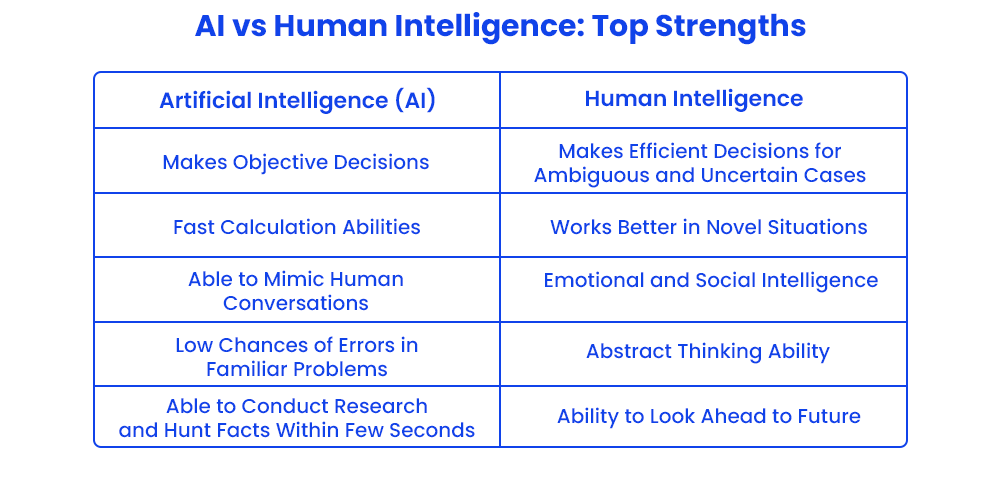
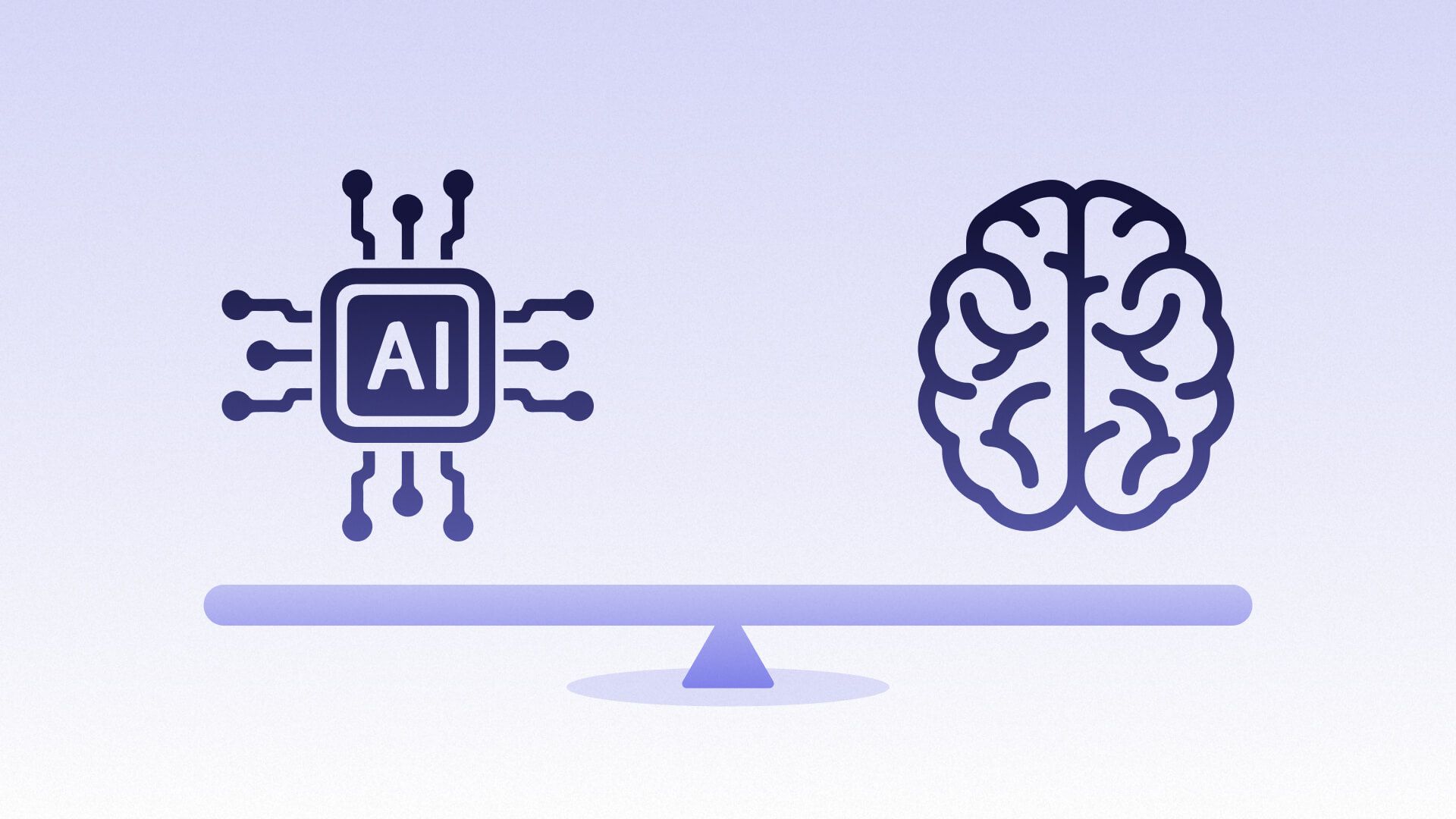
At its core, the relationship between ai and human intelligence is not a rivalry—it’s a division of strengths. Humans bring context, empathy, creativity, moral judgment, and lived experience. AI brings speed, scale, pattern recognition, and tireless computation.
A helpful way to think about this relationship is to imagine AI as a power tool rather than a replacement worker. A calculator didn’t make mathematicians obsolete; it allowed them to solve bigger, more complex problems. Similarly, AI systems analyze vast datasets, surface insights, and automate repetitive tasks, while humans interpret results, make strategic decisions, and apply wisdom.
AI excels at answering “what” and “how often.” Humans excel at “why” and “what should we do next.” When combined, this creates a feedback loop where AI informs humans, humans guide AI, and outcomes improve continuously.
Another important distinction is agency. AI does not possess intent or consciousness. It operates within parameters set by humans, trained on human-created data, and deployed for human-defined goals. The effectiveness of ai and human collaboration depends not just on technology, but on design choices, ethical frameworks, and human oversight.
Understanding this balance helps move the conversation from fear to function. It’s not about whether AI will replace humans. It’s about how humans can use AI responsibly to amplify what makes us uniquely human.
Why AI and Human Collaboration Matters Now
The urgency around ai and human collaboration isn’t hype-driven—it’s reality-driven. We’re living in a world defined by complexity. Businesses face global competition, individuals are overwhelmed by information, and societies must make decisions faster than ever before.
AI helps process complexity at scale. Humans provide judgment when stakes are high.
In healthcare, AI can scan thousands of medical images in minutes, identifying anomalies that might escape a tired human eye. But it’s the doctor who contextualizes that information, speaks with the patient, and decides on treatment. In finance, AI models detect fraud patterns instantly, while humans assess risk tolerance and ethical implications. In education, AI adapts learning paths, while teachers inspire curiosity and mentorship.
What’s changed recently is accessibility. Tools powered by platforms like OpenAI and Google DeepMind are no longer limited to labs or enterprises. Small businesses, freelancers, and students can now leverage AI to think bigger and work smarter.
Ignoring this shift doesn’t preserve human relevance—it risks diminishing it. Those who learn to collaborate with AI gain leverage. Those who resist may find themselves working harder for less impact.
Benefits and Real-World Use Cases of AI and Human Partnership
The most compelling benefits of ai and human collaboration show up where real work gets done. Productivity is the obvious gain, but the deeper value lies in quality, creativity, and decision confidence.
In creative fields, writers use AI to brainstorm angles, designers generate rapid prototypes, and musicians explore new sounds. The human remains the editor, storyteller, and emotional compass. AI accelerates exploration without replacing vision.
In operations and logistics, AI predicts demand, optimizes routes, and flags inefficiencies. Humans step in to negotiate trade-offs, handle exceptions, and manage relationships. The result is smoother systems with fewer blind spots.
Customer support teams use AI chat assistants to handle routine questions, freeing human agents to focus on complex, emotionally charged cases. This doesn’t just save time—it improves customer satisfaction and reduces burnout.
For entrepreneurs and solopreneurs, ai and human synergy can feel like having a small team on demand. Market research, content drafts, analytics, and scheduling can all be AI-assisted, while strategic direction stays firmly human.
The common thread across use cases is this: AI handles volume; humans handle value. When aligned properly, this partnership creates leverage that compounds over time.


A Step-by-Step Guide to Working Effectively With AI
Successful ai and human collaboration doesn’t happen by accident. It’s a process that requires intention, experimentation, and boundaries.
The first step is task identification. Look for work that is repetitive, data-heavy, or time-consuming. These are prime candidates for AI assistance. Examples include data cleaning, initial drafts, scheduling, transcription, and basic analysis.
Next comes tool selection. Choose AI tools that align with your goals rather than chasing trends. A writer may prioritize language models, while a marketer may focus on analytics and personalization platforms.
The third step is prompt literacy. Communicating clearly with AI systems is a skill. The better your inputs, the better the outputs. This mirrors human collaboration—clarity saves time and improves results.
Then establish a review loop. Never treat AI output as final. Apply human judgment, fact-checking, and contextual awareness. This is where quality is protected and trust is built.
Finally, reflect and refine. Track what works, what doesn’t, and where AI adds real value versus friction. Over time, you’ll develop a personalized workflow where ai and human strengths complement each other seamlessly.
Best practices include documenting processes, setting ethical boundaries, and continuously updating your skills. AI evolves quickly, but human adaptability remains its most important counterpart.
Tools, Comparisons, and Practical Recommendations
Choosing the right tools can make or break ai and human collaboration. Free tools offer accessibility and experimentation, while paid tools provide reliability, scalability, and support.
Free options are ideal for learning and testing. They often include limitations on usage, speed, or features but are perfect for understanding workflows. Paid platforms typically offer advanced customization, better data security, and integration with existing systems.
For general productivity and language tasks, platforms connected to Microsoft ecosystems integrate AI into everyday workflows like email, documents, and meetings. For enterprise analytics and automation, solutions backed by IBM focus on explainability and governance.
When comparing tools, consider transparency, data ownership, and ease of collaboration. Avoid tools that feel like black boxes without oversight. The goal is partnership, not dependency.
Expert recommendation: start small. Master one or two tools deeply rather than juggling many superficially. As confidence grows, expand thoughtfully.
A helpful overview video on AI-human collaboration can be found on YouTube:
Common Mistakes in AI and Human Collaboration—and How to Fix Them
One of the most common mistakes is over-automation. When humans abdicate too much responsibility to AI, errors compound quietly. The fix is simple: keep humans in the loop, especially for high-impact decisions.
Another frequent issue is unrealistic expectations. AI is powerful, but it’s not magic. Treating it as an oracle leads to disappointment and misuse. Instead, treat it like a junior collaborator—fast, capable, but in need of guidance.
Data bias is another pitfall. AI reflects the data it’s trained on. Without human awareness and correction, biases can scale rapidly. Regular audits and diverse perspectives help mitigate this risk.
Finally, many people fail to invest in learning. Tools change, but principles remain. Understanding how AI works—even at a high level—empowers better collaboration and reduces fear.
Fixing these mistakes doesn’t require perfection. It requires awareness, humility, and a commitment to shared responsibility between ai and human roles.
The Ethical Dimension of AI and Human Partnership
Ethics is where the ai and human relationship is most critical. Machines don’t have values; humans do. Every deployment decision reflects priorities—efficiency versus fairness, speed versus accuracy, profit versus well-being.
Human oversight ensures accountability. Clear governance structures define who is responsible when AI systems make errors. Transparency builds trust with users and stakeholders.
Ethical collaboration also means respecting human dignity. AI should augment human work, not devalue it. This includes fair labor transitions, reskilling opportunities, and inclusive design.
As AI becomes more embedded in daily life, ethical literacy becomes a core human skill. The future isn’t about choosing between technology and humanity—it’s about ensuring technology serves humanity.
Conclusion: The Future Belongs to AI and Human Together
The story of ai and human collaboration is still being written, but its direction is clear. The most successful individuals, teams, and organizations won’t be those with the most advanced algorithms alone. They’ll be the ones who understand how to blend machine intelligence with human wisdom.
AI amplifies capability. Humans provide meaning.
When used thoughtfully, this partnership reduces drudgery, expands creativity, and improves decision-making. It doesn’t erase what makes us human—it highlights it.
If you take one thing from this guide, let it be this: don’t ask whether AI will replace humans. Ask how you can work better with it. Experiment, learn, and stay curious. The future is collaborative, and there’s room in it for both silicon and soul.
FAQs
What does AI and human collaboration actually mean?
It refers to systems where artificial intelligence supports human decision-making, creativity, or efficiency without replacing human judgment or responsibility.
Can AI replace humans in most jobs?
AI can automate tasks, not entire roles. Jobs evolve as humans focus on strategy, empathy, and creativity while AI handles repetitive work.
Is AI and human collaboration safe?
Yes, when designed with transparency, oversight, and ethical standards. Human governance is essential for safety and trust.
How can beginners start working with AI?
Start with simple tools, learn basic prompting, and apply AI to low-risk tasks before expanding usage.
What skills matter most in an AI-assisted future?
Critical thinking, communication, adaptability, ethical reasoning, and domain expertise remain uniquely human strengths.

Adrian Cole is a technology researcher and AI content specialist with more than seven years of experience studying automation, machine learning models, and digital innovation. He has worked with multiple tech startups as a consultant, helping them adopt smarter tools and build data-driven systems. Adrian writes simple, clear, and practical explanations of complex tech topics so readers can easily understand the future of AI.