If you’ve ever sat in a meeting where someone says, “We need better AI governance,” followed by an awkward silence, you’re not alone. Most organizations understand why AI governance matters, but translating that awareness into something usable inside a real business is where things fall apart.
That gap is exactly what AI governance contextual business reality is about.
In the first 100 days of any AI initiative, leaders quickly realize something uncomfortable: generic governance frameworks don’t survive contact with day-to-day operations. Sales teams move fast. Product teams experiment. Compliance teams worry. Executives want innovation and safety. Meanwhile, AI systems don’t care about org charts—they quietly learn, adapt, and scale.
This article is designed to bridge that gap.
You’ll learn what AI governance really means when filtered through real business constraints, how mature organizations implement it without slowing innovation, and how to build governance that actually works for your context—not an idealized one. We’ll explore benefits, use cases, step-by-step implementation, tools, mistakes, and practical fixes drawn from lived enterprise experience.
If AI is already influencing decisions in your organization, governance is no longer optional—it’s operational.
Understanding AI Governance Contextual Business Reality
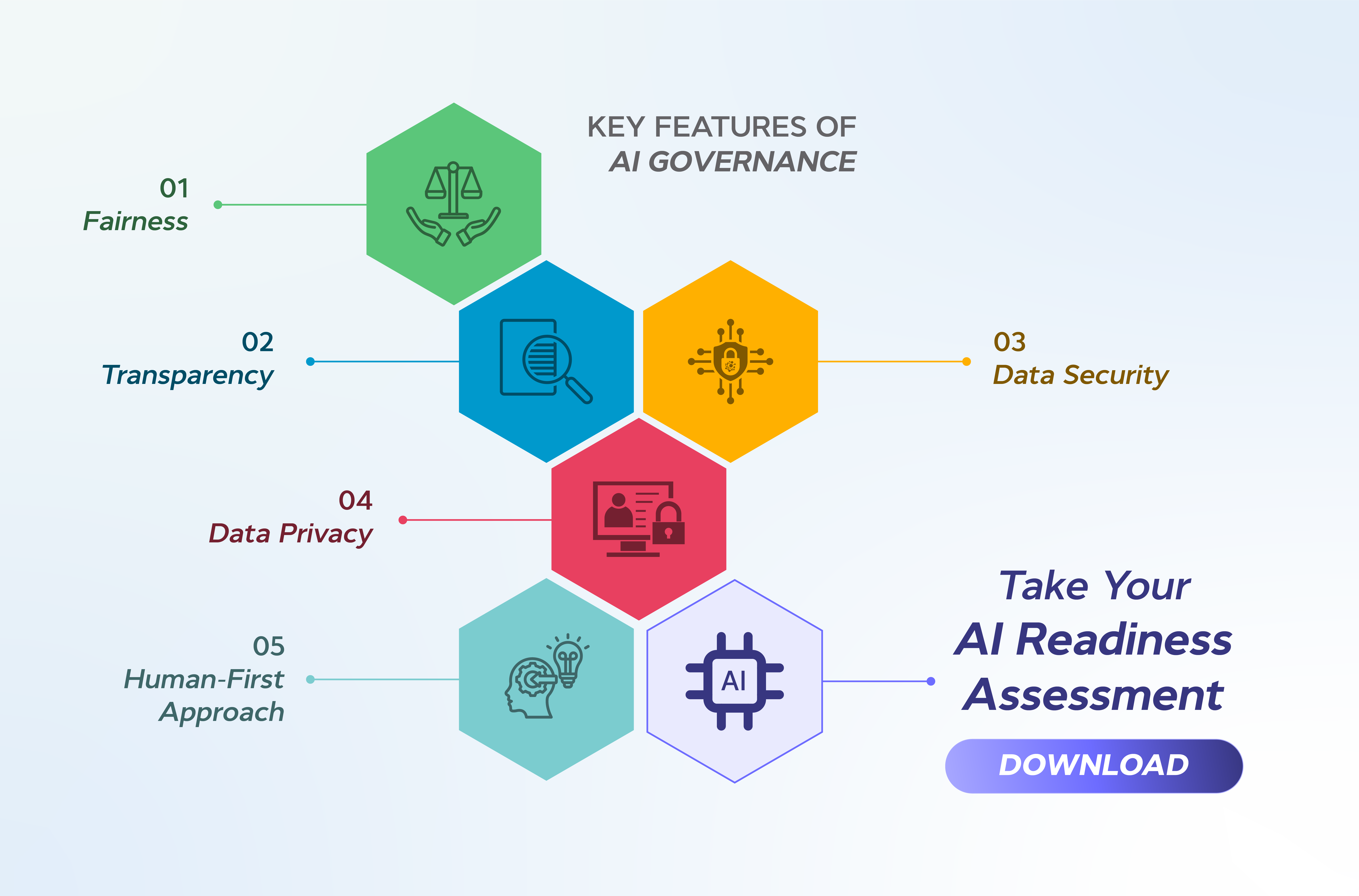
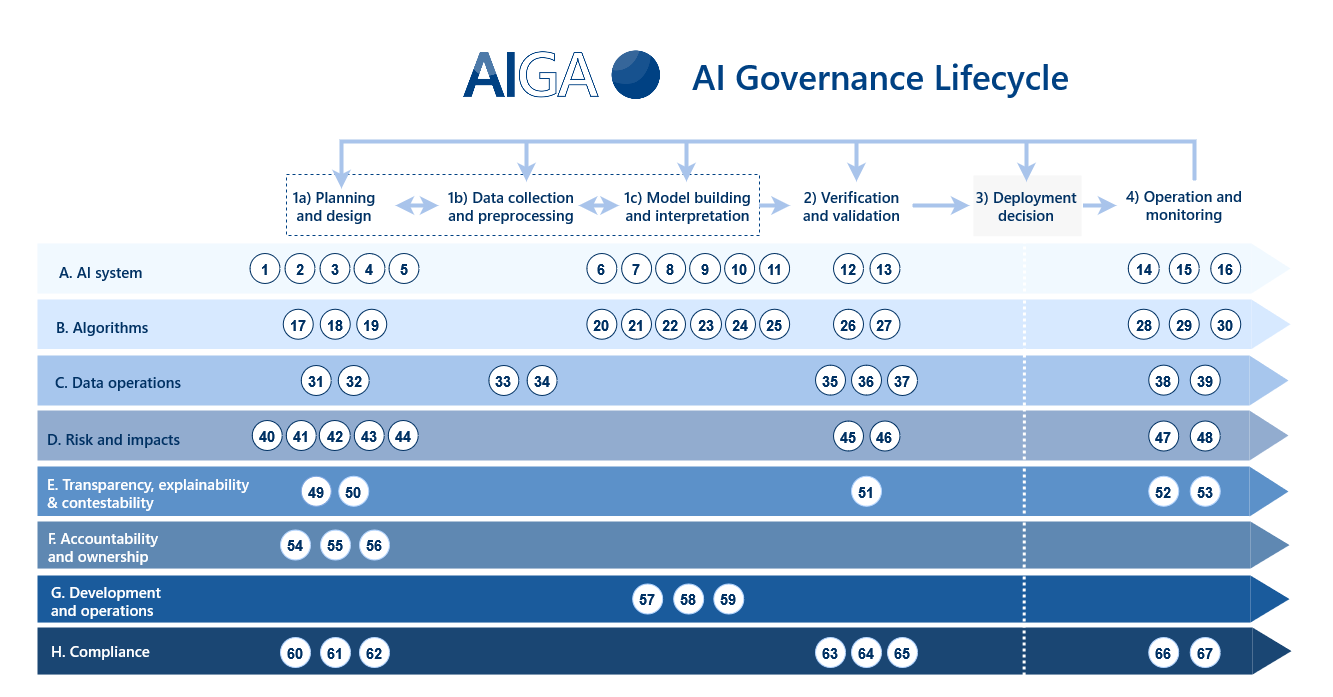

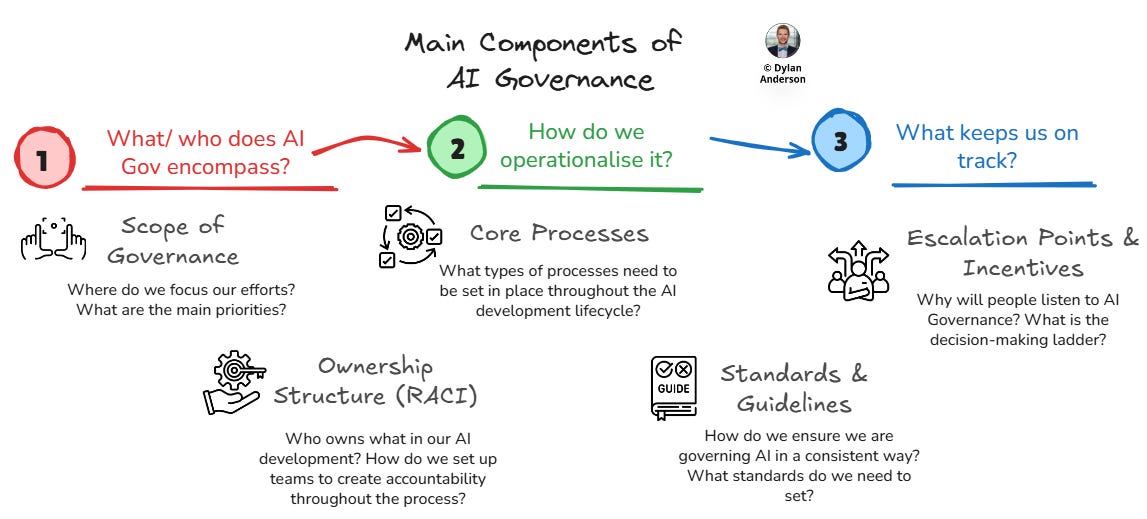
At its simplest, AI governance is about how decisions are made, monitored, corrected, and owned when machines are involved. But in practice, AI governance only works when it reflects contextual business reality—the pressures, incentives, risks, and culture unique to each organization.
A useful analogy is traffic law. Speed limits exist, but they differ between school zones, highways, and construction sites. The rule is universal—drive safely—but enforcement adapts to context. AI governance works the same way. Principles like fairness, transparency, and accountability are universal, but their application depends on where and how AI is used.
In business settings, AI governance must answer practical questions such as:
- Who is responsible when an AI model makes a costly mistake?
- How much transparency is required for internal versus customer-facing AI?
- When does experimentation become production risk?
- What level of bias is legally, ethically, and reputationally unacceptable?
Frameworks from bodies like the OECD or regulations such as the EU AI Act provide high-level guidance, but they stop short of operational detail. That’s intentional. No regulator can predict your data quality, team maturity, or risk tolerance.
Contextual AI governance fills that gap by embedding governance into business workflows—product development, procurement, HR, marketing, and customer service—rather than treating it as a legal afterthought.
When governance aligns with reality, it stops feeling like friction and starts feeling like infrastructure.
Why Contextual AI Governance Matters More Than Ever
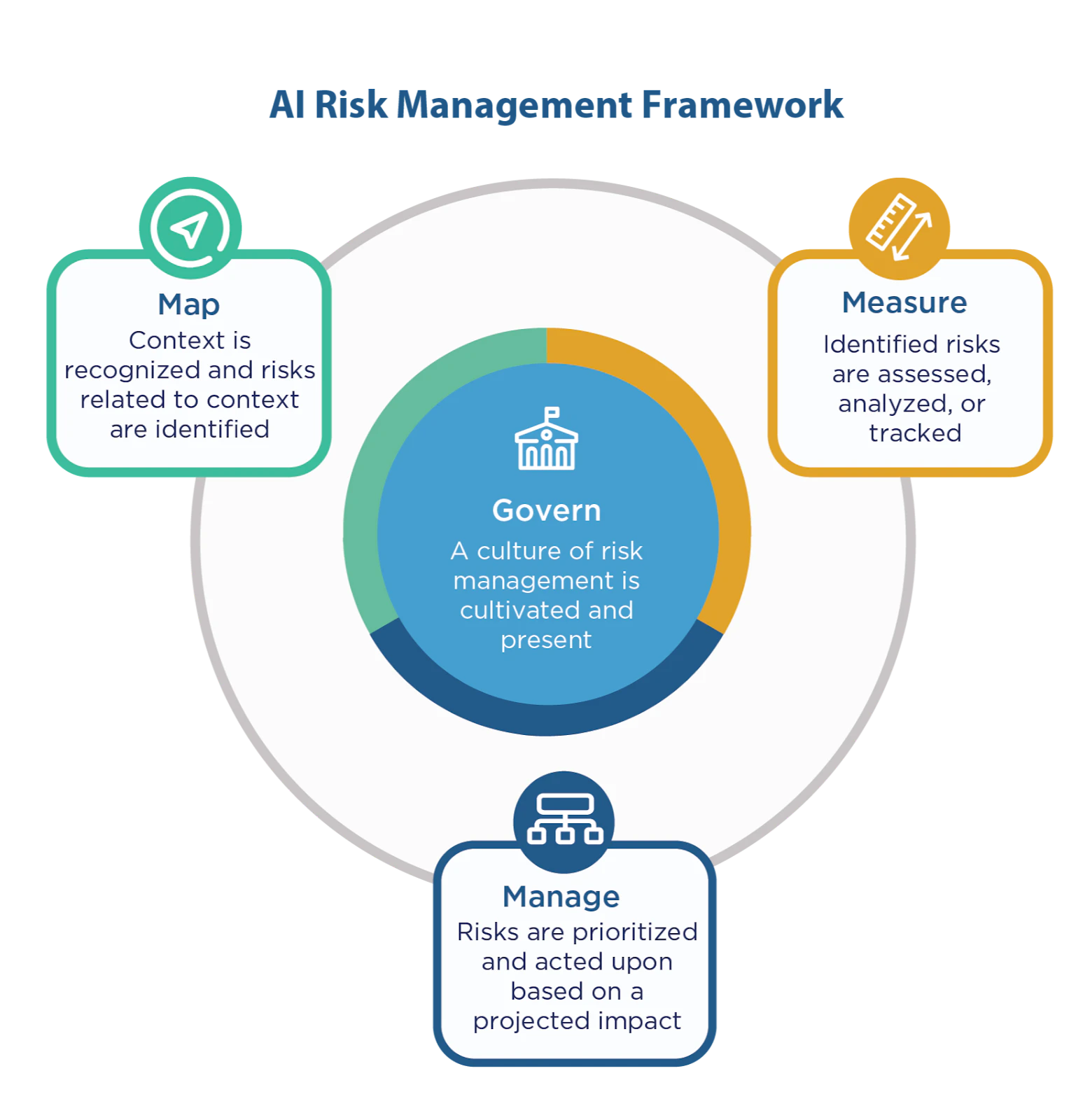

The cost of ignoring contextual business reality in AI governance is no longer theoretical. Organizations are seeing real consequences—financial, legal, and reputational—when AI systems behave in unexpected ways.
What’s changed is scale and speed. A single flawed model can now affect millions of users instantly. Automated decisions once made by individuals are now embedded deep inside software systems. When something goes wrong, there’s no pause button.
Contextual AI governance matters because it:
- Reduces regulatory exposure by aligning controls with actual AI use
- Protects brand trust when AI decisions affect customers directly
- Enables faster innovation by defining safe experimentation boundaries
- Clarifies accountability before—not after—incidents occur
Consider a marketing team deploying AI-generated content. The governance needs here are very different from an HR team using AI for resume screening or a finance team running credit risk models. Applying the same controls everywhere either stifles innovation or leaves gaps.
Context-aware governance recognizes that not all AI risks are equal, and not all business functions need the same level of oversight. This nuance is what separates mature AI organizations from reactive ones.
Business Benefits and Real-World Use Cases


When implemented properly, AI governance grounded in business reality delivers tangible value—not just compliance checkmarks.
Strategic Benefits
First, it accelerates decision-making. Clear governance reduces internal debates about “whether we’re allowed to do this.” Teams know the rules, thresholds, and escalation paths.
Second, it builds stakeholder confidence. Executives, regulators, customers, and partners trust organizations that can clearly explain how their AI systems work and who is accountable.
Third, it lowers long-term costs. Fixing AI issues early—before models are deeply embedded—avoids expensive rewrites, lawsuits, and brand damage.
Practical Use Cases
In retail, contextual AI governance helps balance personalization with privacy. Recommendation engines operate under different rules than fraud detection systems, even though both use customer data.
In healthcare, governance frameworks distinguish between clinical decision support tools and administrative automation. The risk profiles—and governance rigor—are dramatically different.
In financial services, AI governance aligns model validation, explainability, and audit requirements with regulatory expectations while still enabling innovation.
The common thread? Governance adapts to business impact, not just technical complexity.
A Step-by-Step Guide to Implementing Contextual AI Governance
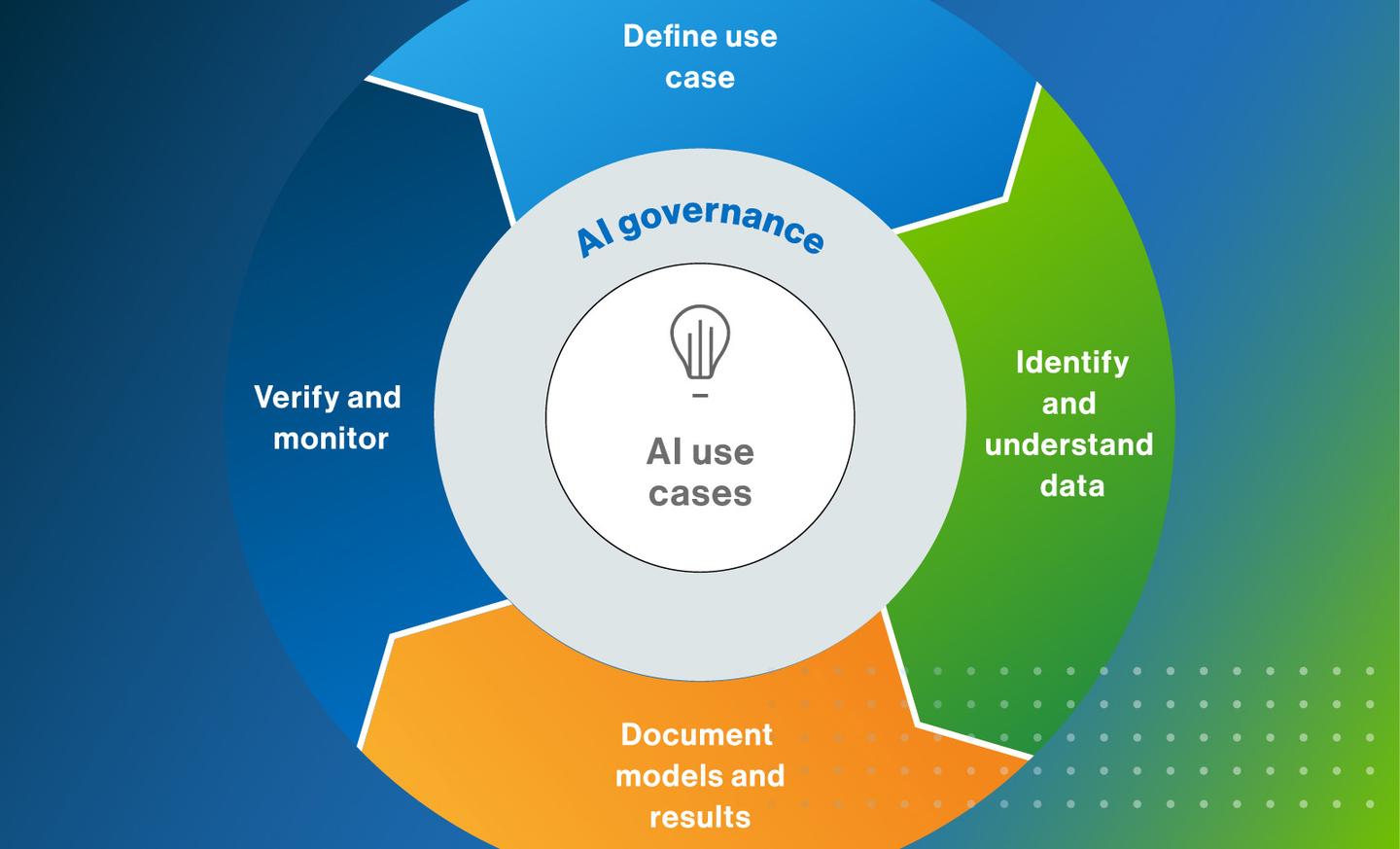

Step 1: Inventory AI Use Cases
Start with a brutally honest audit. Identify where AI already exists—not just official projects, but shadow deployments in marketing tools, analytics platforms, and customer service software.
Map each use case to:
- Business function
- Data sensitivity
- Decision impact
- Customer exposure
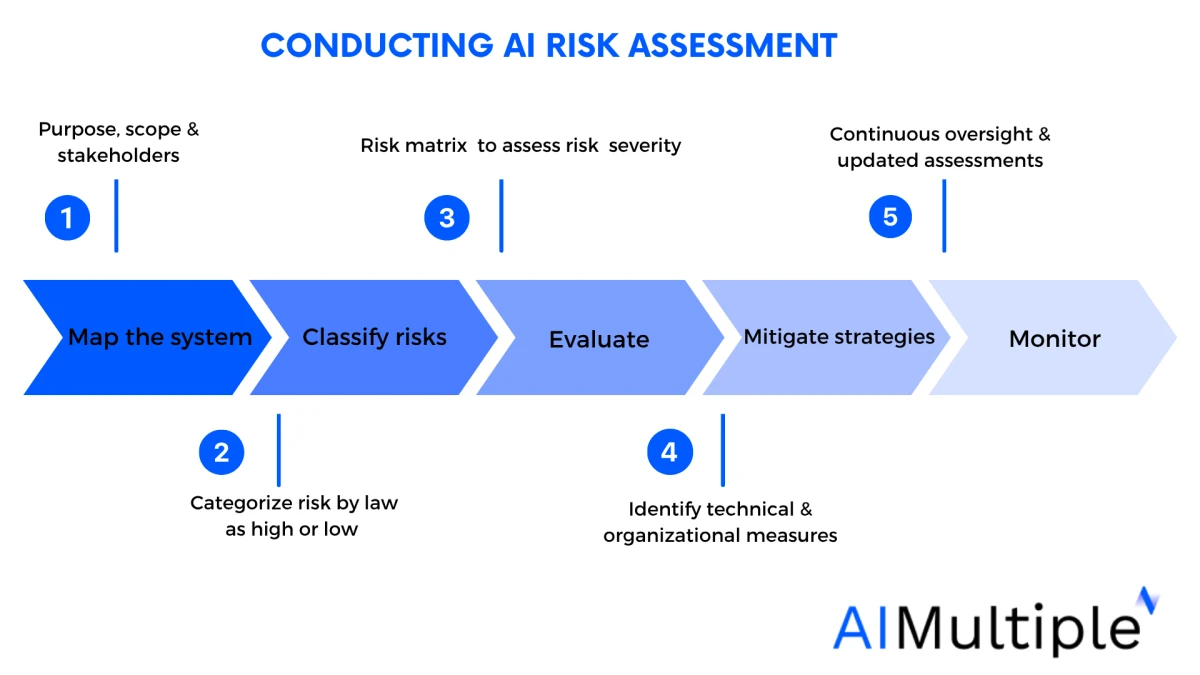
Step 2: Classify Risk by Context
Not all AI deserves the same scrutiny. Create risk tiers based on real-world consequences, not abstract ethics. High-impact systems affecting employment, credit, or safety require stronger governance than internal productivity tools.
Step 3: Assign Clear Ownership
Every AI system needs a human owner. Not a committee—an accountable role. This doesn’t mean sole blame; it means clear escalation paths when issues arise.
Step 4: Embed Governance into Existing Processes
The biggest mistake is creating parallel governance structures. Instead, integrate AI checks into:
- Product approval workflows
- Procurement reviews
- Model deployment pipelines
- Incident response processes
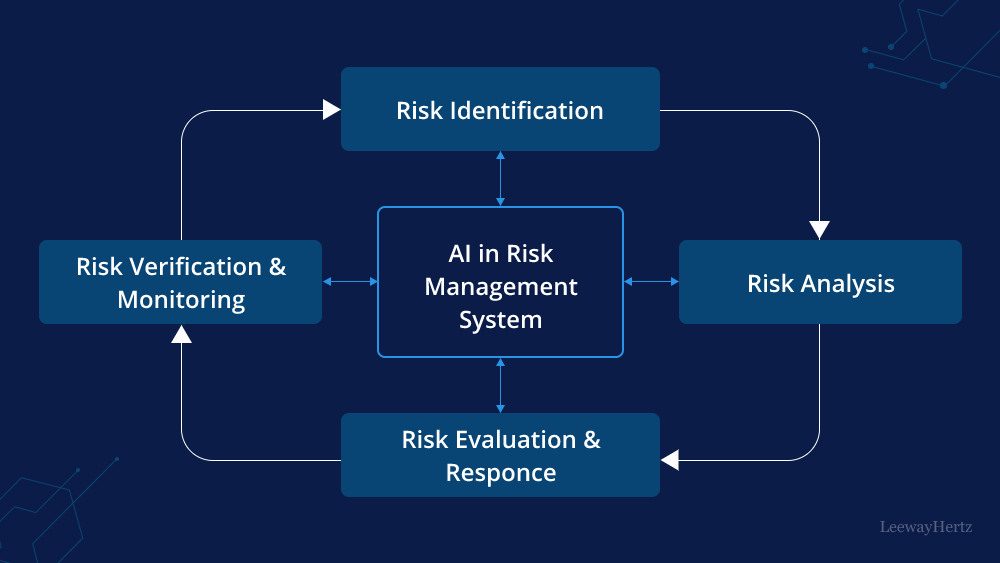
Step 5: Monitor, Review, Adapt
AI governance is not static. Models drift. Data changes. Business priorities shift. Schedule regular reviews tied to business metrics, not just compliance calendars.
Tools, Comparisons, and Practical Recommendations
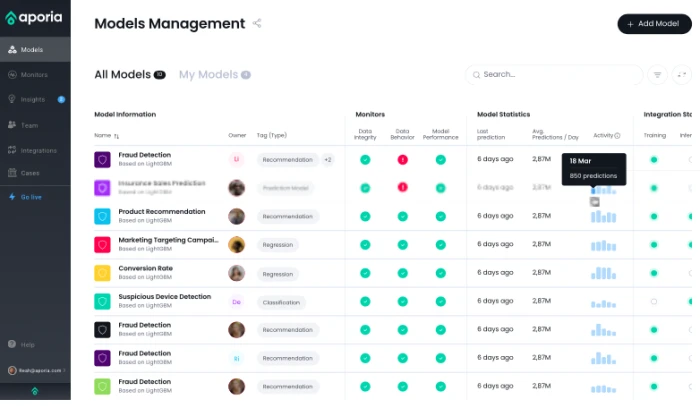

AI governance tooling has matured rapidly, but no tool replaces judgment. The goal is visibility, traceability, and control—not automation for its own sake.
Popular Tool Categories
Model monitoring platforms track drift, bias, and performance over time. Governance dashboards centralize AI inventories and risk classifications. Documentation tools help teams explain models in human language.
Some organizations also rely on vendor assessments from providers like OpenAI or enterprise AI platforms that bundle governance features directly.
Free vs Paid Options
Free tools are useful for early-stage governance—documentation templates, basic monitoring, internal registries. Paid platforms add automation, integration, and reporting needed at scale.
The trade-off is flexibility versus depth. Smaller teams benefit from lightweight tools. Large enterprises need integrated solutions that align with compliance, security, and data governance systems.
Expert Recommendation
Choose tools after defining your governance model. Tools should support your context—not dictate it.
Common AI Governance Mistakes and How to Fix Them
One of the most common mistakes is copying governance frameworks wholesale from other organizations. What works for a bank may cripple a startup.
Another frequent error is over-centralization. When every AI decision requires committee approval, teams bypass governance entirely.
Some organizations also underestimate cultural resistance. Governance imposed without explanation feels like control, not protection.
How to Fix These Issues
- Tailor governance rules to business impact
- Empower teams with guardrails, not roadblocks
- Communicate why governance exists, using real examples
- Treat governance as a partnership, not policing
When governance supports teams instead of slowing them down, adoption follows naturally.
Conclusion: Governance That Reflects Reality Wins
AI governance contextual business reality is not about perfection—it’s about alignment. Alignment between principles and practice. Between innovation and responsibility. Between speed and safety.
Organizations that succeed don’t chase abstract ideals. They build governance that fits their data, their people, their risks, and their goals. They accept that AI will evolve—and design governance that evolves with it.
If there’s one takeaway, it’s this: governance is not the opposite of innovation; it’s what makes sustainable innovation possible.
Start small, stay honest about your context, and treat governance as a living system. Your future AI initiatives—and your stakeholders—will thank you.
FAQS
What does AI governance contextual business reality mean?
It refers to designing AI governance frameworks that reflect real operational constraints, risks, and business goals rather than abstract principles alone.
Why is contextual AI governance important for enterprises?
Because enterprises operate across multiple risk levels, regulatory environments, and use cases, requiring flexible, context-aware governance.
How does AI governance affect innovation?
When done well, it accelerates innovation by clarifying boundaries and reducing uncertainty for teams.
Who should own AI governance in an organization?
Ownership should be distributed, with clear accountability assigned to specific roles for each AI system.
What industries benefit most from contextual AI governance?
Highly regulated and customer-facing industries like finance, healthcare, retail, and HR see the most immediate benefits.

Adrian Cole is a technology researcher and AI content specialist with more than seven years of experience studying automation, machine learning models, and digital innovation. He has worked with multiple tech startups as a consultant, helping them adopt smarter tools and build data-driven systems. Adrian writes simple, clear, and practical explanations of complex tech topics so readers can easily understand the future of AI.