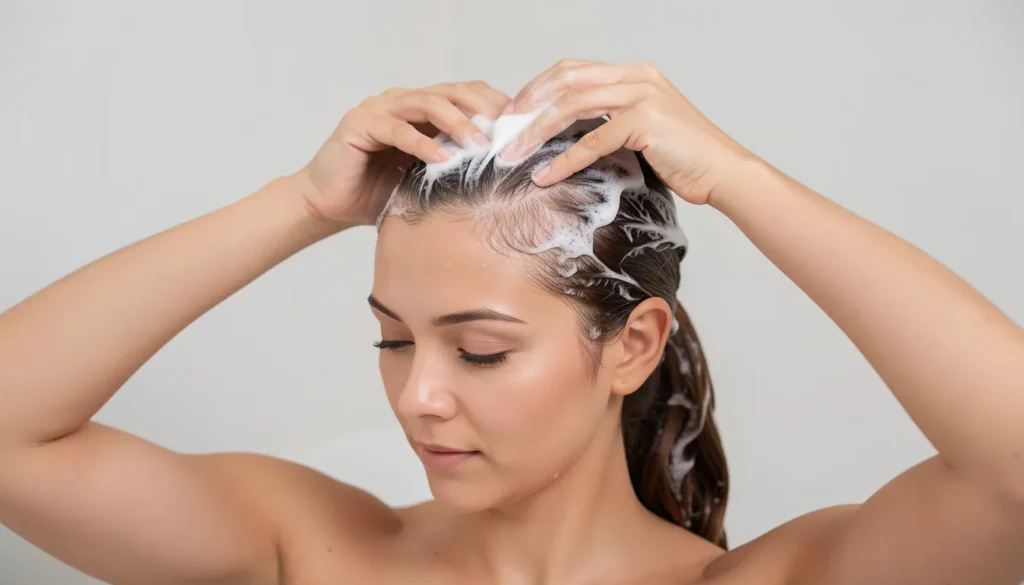
We all experience frustrating hair days. Sometimes, no matter how carefully you wash, dry, and style your strands, your hair feels heavy, looks inexplicably dull, and refuses to hold a shape. This often happens when styling creams, hard water minerals, and natural scalp oils accumulate over time. To fix this invisible barrier, you need a complete hair reset. Adding a high-quality clarifying shampoo to your regimen is the most effective way to deeply cleanse your scalp and bring your hair back to life.
If you have never used a deep-cleansing formula before, you might have questions. How often should you use it? Will it strip your hair of essential moisture? Does it work for color-treated hair?
This comprehensive guide covers everything you need to know about deep-cleansing formulas. You will learn how to identify product buildup, how to choose the right ingredients for your hair type, and how to use these powerful cleansers correctly for optimal scalp health.
What is a Clarifying Shampoo?
A clarifying shampoo is a specialized hair cleanser designed to cut through stubborn residue. Think of it as a heavy-duty detox for your scalp and strands. Regular daily shampoos focus on gently removing daily dirt and adding moisture back into the hair. In contrast, clarifying formulas contain higher concentrations of powerful cleansing agents called surfactants.
These heavy-duty surfactants break down the stubborn barriers that ordinary washes leave behind. They target synthetic silicones, dry shampoo powder, heavy conditioning waxes, and mineral deposits.
How It Differs From Your Regular Shampoo
Your standard shampoo acts like a gentle daily facial cleanser. It removes surface-level sweat and grime without disrupting the natural moisture barrier. A clarifying wash acts more like a deep exfoliating chemical peel. It provides a blank canvas.
Because of this intense cleaning power, you should never use a deep cleanser every single day. Overusing these products can lead to dryness and irritation. Instead, they serve as an occasional treatment to maintain a healthy scalp environment.
7 Signs You Need a Clarifying Treatment
How do you know when it is time to reach for a stronger cleanser? Your hair and scalp will usually send you clear warning signals. Look out for these seven common indicators of severe product buildup:
- Your hair feels permanently greasy: Even right after you step out of the shower, your roots look slick and feel heavy to the touch.
- Your styling products stop working: Your favorite volumizing mousse or curl cream suddenly leaves your hair flat and lifeless.
- You rely on dry shampoo: If you use dry shampoo multiple times a week, that invisible powder builds up on your scalp and clogs your hair follicles.
- Your hair lacks its usual shine: Buildup coats the hair cuticle, creating a matte, dull finish that reflects zero light.
- You swim frequently: Chlorine and saltwater leave harsh chemical and mineral deposits on your hair that normal shampoo cannot wash away.
- Your scalp feels itchy or flaky: Product buildup traps dead skin cells and bacteria against the scalp, leading to irritation and dandruff-like flakes.
- Your hair refuses to hold a curl: Heavy residue weighs the hair shaft down, making it impossible to hold volume or heat styling.
The Powerful Benefits of Deep Cleansing
Using a heavy-duty cleanser does more than just make your hair feel squeaky clean. Regular, properly timed clarifying treatments offer several long-term benefits for your hair health.
Removing Stubborn Product Buildup
Silicones are a common ingredient in modern hair care. They make hair feel incredibly soft and look shiny by coating the outer cuticle. However, many silicones are not water-soluble. Every time you condition or apply a serum, you add another layer of silicone. Eventually, this blocks moisture from penetrating the hair shaft. Clarifying removes this impenetrable plastic-like coating, allowing your hair to actually absorb water again.
Restoring Natural Volume and Bounce
Hair that is weighed down by old products falls flat against the scalp. By stripping away that heavy, invisible residue, your hair regains its natural texture and bounce. People with fine hair often notice a dramatic increase in root volume immediately after a deep cleanse.
Preparing Hair for Chemical Treatments
Professional hairstylists almost always clarify hair before performing a chemical service. Whether you are getting a perm, a keratin treatment, or a fresh color application, the hair must be completely bare. Buildup creates a barrier that prevents hair dye or chemical treatments from penetrating evenly. Clarifying ensures a flawless, uniform result.
Enhancing Hair Mask Efficacy
Deep conditioning masks are expensive. If you apply a premium hair mask over layers of old product, you are wasting your money. The nutrients simply slide off the hair shaft. A detoxified cuticle absorbs moisturizing masks and protein treatments instantly, yielding significantly better results.
How Hard Water Affects Your Hair
You might not use heavy styling creams, but you can still suffer from severe buildup due to your plumbing. Hard water contains high levels of dissolved minerals, specifically calcium and magnesium.
When you wash your hair in hard water, these minerals bind to the hair shaft. Over time, calcium buildup makes your hair feel brittle, dry, and rough like straw. It can also cause blonde hair to take on a brassy, orange, or green tint.
If you live in a hard water area, standard clarifying formulas might not be enough. You need to look for a specific type of clarifier known as a chelating shampoo. Chelating formulas contain specific ingredients (like EDTA) that attach to mineral deposits and drag them down the drain.
How to Use a Clarifying Shampoo Correctly
Because these formulas are intensely powerful, your technique matters. Improper use can strip your hair of necessary natural oils, leaving it vulnerable to breakage. Follow this professional step-by-step routine for a safe, effective detox.
Step 1: Thoroughly Wet Your Hair
Ensure your hair is completely saturated with warm water before applying the product. Warm water helps gently open the hair cuticle, making it easier for the surfactants to penetrate and dissolve trapped dirt.
Step 2: Focus on the Roots
Dispense a quarter-sized amount of shampoo into your hands and emulsify it by rubbing your palms together. Apply the product directly to your scalp and roots. This is where oil and product buildup concentrate the most.
Step 3: Massage the Scalp
Use the pads of your fingers (never your nails) to massage the cleanser into your scalp. Spend at least two minutes thoroughly working the product into your roots. You want to physically dislodge the dead skin cells and styling residue.
Step 4: Let It Sit
Unlike daily cleansers, clarifying formulas need time to break down heavy waxes and minerals. Leave the lather on your hair for one to two minutes before rinsing.
Step 5: Rinse and Protect the Ends
As you rinse, let the suds flow down the lengths of your hair. You do not need to aggressively scrub the fragile ends of your hair. The runoff lather is strong enough to cleanse the mid-lengths and tips without causing unnecessary friction or damage.
Post-Wash Care: Why Deep Conditioning is Crucial
This is the most critical step. After a deep detox, your hair cuticle is open and entirely stripped of its protective oils. If you skip conditioner, your hair will feel dry, tangled, and brittle. You must follow up with a rich, hydrating hair mask or a heavy deep conditioner. Leave the moisture treatment on for at least five to ten minutes to restore the hydration balance.
Who Should Use Clarifying Shampoos?
Every hair type can benefit from an occasional reset, but the frequency and specific product type vary wildly depending on your unique hair texture.
Fine and Oily Hair
If you have naturally fine hair and an oily scalp, buildup is your worst enemy. Even a small amount of residue makes fine hair look greasy and flat.
- Frequency: You can safely clarify once a week or once every two weeks.
- What to look for: Lightweight, gel-based formulas that prioritize oil control without leaving behind heavy moisturizing agents.
Thick, Curly, and Coily Hair
Curly and coily hair types tend to be naturally dry because scalp oils have a harder time traveling down the spiral hair shaft. People with these hair types also use heavy butters, creams, and gels to define their curls.
- Frequency: Clarify sparingly, about once a month or every six weeks.
- What to look for: Sulfate-free clarifying options. Look for formulas that use gentle cleansers alongside hydrating ingredients like aloe vera to prevent excessive moisture loss.
Color-Treated Hair Precautions
If you dye your hair, proceed with caution. Traditional deep cleansers are notorious for fading artificial hair color rapidly. The same powerful surfactants that strip away dirt will also strip away expensive hair dye.
- Frequency: Only prior to a fresh color application, or immediately after a swimming session to remove chlorine.
- What to look for: Look specifically for “color-safe clarifiers.” These formulas use milder cleansing agents that target mineral buildup without deeply penetrating the color-holding cuticle.
Ingredients to Look For (and Avoid)
Reading the ingredient label on the back of your hair care products is essential. Here is a quick guide to understanding what makes a clarifier effective.
Powerful Cleansers (The Heavy Lifters):
- Sodium Laureth Sulfate (SLES): A strong surfactant that cuts through severe grease and oil.
- Sodium Lauryl Sulfate (SLS): The strongest cleaning agent. It is highly effective but can be drying for sensitive scalps.
- Cocamidopropyl Betaine: A milder, coconut-derived cleanser often used in sulfate-free alternatives.
Chelating Agents (For Hard Water):
- Tetrasodium EDTA: The gold standard for removing mineral deposits, chlorine, and heavy metals from the hair shaft.
- Ascorbic Acid (Vitamin C): Helps break down hard water buildup gently.
Soothing Additives:
- Tea Tree Oil: Provides antibacterial properties to soothe itchy scalps and clear clogged hair follicles.
- Apple Cider Vinegar (ACV): Naturally balances the pH of the scalp and smooths the hair cuticle for intense shine.
- Aloe Vera: Adds a buffer of lightweight moisture to prevent the hair from feeling completely stripped.
Ingredients to Avoid in a Clarifier:
Avoid any product that lists heavy silicones (like Dimethicone) or thick waxes in the top five ingredients. A true detoxifying wash should not leave a synthetic coating behind.
Common Mistakes to Avoid When Detoxing Your Hair
Even with the best products, user error can lead to hair damage. Avoid these common pitfalls to maintain healthy strands.
Mistake 1: Over-washing
Using a detox shampoo daily will destroy your scalp’s natural lipid barrier. Your scalp will panic and overproduce oil to compensate, leaving you with even greaser hair. Stick to the recommended frequency for your hair type.
Mistake 2: Skipping the Detangler
Stripped hair tangles easily. Never try to brush your hair aggressively after a deep clean. Always use a wide-tooth comb while your deep conditioner is sitting in your hair to gently work through knots.
Mistake 3: Using Very Hot Water
Hot water feels great, but it causes the hair cuticle to swell excessively, leading to frizz and moisture loss. Always rinse your hair with lukewarm or cool water to seal the cuticle flat and lock in the deep conditioner.
Conclusion
Healthy hair starts at the scalp. Just as you routinely exfoliate your skin, you must periodically detoxify your hair to remove invisible barriers. A high-quality clarifying shampoo acts as a vital reset button, cutting through heavy styling creams, hard water minerals, and excess oils.
By understanding your hair type and using these powerful cleansers correctly—always followed by a rich hydration treatment—you can eliminate dullness and restore your hair’s natural bounce and shine. Assess your current hair care routine today, check for signs of product buildup, and consider adding a detox wash to your regimen. Your scalp will thank you.
Frequently Asked Questions (FAQs)
Q1: Will a clarifying shampoo fix my dandruff?
It depends on the cause. If your flaking is caused by severe product buildup irritating your scalp, a deep cleanse will help. However, if you have clinical dandruff caused by a fungal issue (Malassezia), you need a medicated anti-dandruff formula containing zinc pyrithione or ketoconazole.
Q2: Can I use apple cider vinegar instead of a store-bought clarifier?
Apple cider vinegar (ACV) is an excellent natural rinse for balancing scalp pH and adding shine. However, it does not contain surfactants. This means an ACV rinse cannot effectively break down synthetic silicones or heavy waxes the way a formulated shampoo can.
Q3: Does clarifying cause hair loss?
No, clarifying does not cause hair loss. In fact, clearing away heavy buildup unblocks hair follicles, which promotes a healthier environment for natural hair growth. However, if you skip conditioner and brush the hair roughly while it is stripped, you can cause mechanical breakage.
Q4: Can I use this type of shampoo on hair extensions?
Generally, you should avoid using harsh cleansers on the lengths of your extensions, as they do not receive natural oils from the scalp and dry out easily. You can carefully use it on your natural roots, but avoid the extension bonds, as harsh ingredients can dissolve the adhesive.
Q5: How do I know if I have hard water in my home?
Signs of hard water include white crusty buildup on your showerhead, soap that refuses to lather well, and glassware that comes out of the dishwasher with cloudy spots. If you experience these, your hair is likely suffering from mineral buildup.

Sofia Bennett is a fashion writer and style observer known for her clean sense of aesthetics and trend analysis. She has covered fashion shows, reviewed designer collections, and interviewed independent creators. Sofia specializes in connecting fashion with real-life lifestyle choices, helping readers understand what looks good — and why.