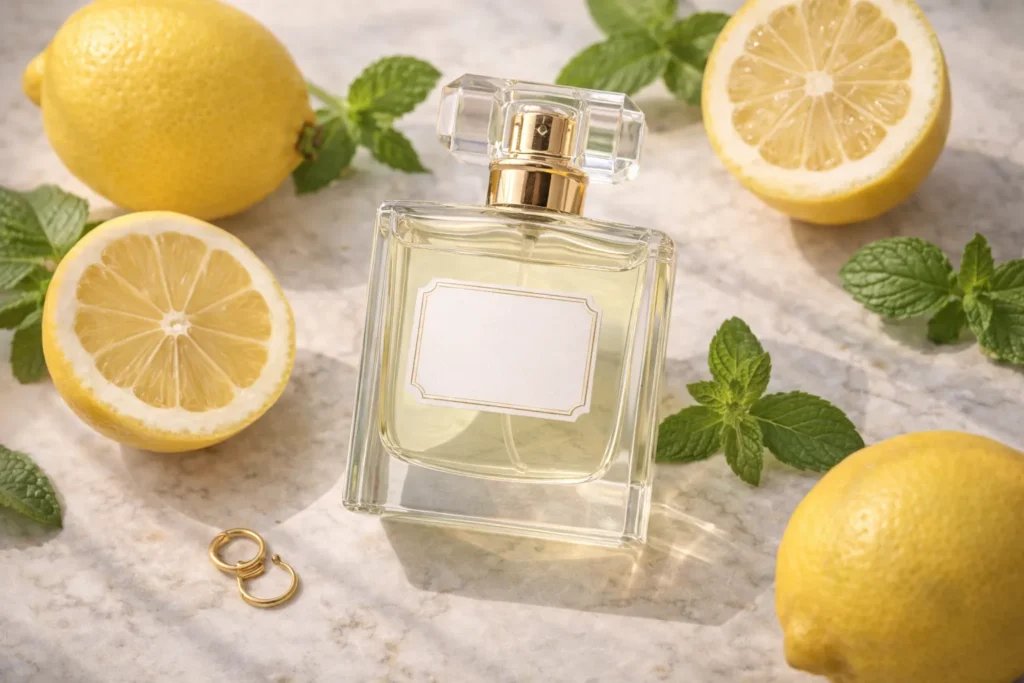
There is something undeniably captivating about a fresh scent perfume for women. Unlike heavy orientals or sugary gourmands that can sometimes feel overpowering, fresh fragrances act like a breath of crisp morning air. They are the olfactory equivalent of a white linen shirt—effortless, clean, and eternally chic. Whether you are heading to a high-stakes business meeting, a casual brunch, or a summer wedding, a fresh fragrance is rarely out of place.
But what exactly defines “fresh”? Is it the zest of a lemon, the smell of rain on pavement, or the crispness of cut grass? In this extensive guide, we will decode the world of fresh perfumery. We will explore the different olfactory families that fall under this umbrella, how to make these notoriously fleeting scents last longer, and help you discover the perfect signature scent that leaves a trail of invigoration wherever you go.
Defining the “Fresh” Fragrance Family
When we talk about a fresh scent perfume for women, we aren’t referring to a single note. “Fresh” is a broad category that encompasses several distinct sub-families. Understanding these nuances is the key to finding a perfume you truly love.
1. Citrus (Hesperidic)
This is perhaps the most recognizable category. Citrus scents are energetic, vibrant, and uplifting. They are often used as top notes because their molecules are light and evaporate quickly, providing that initial burst of brightness.
- Key Notes: Lemon, bergamot, grapefruit, mandarin, lime, and neroli.
- The Vibe: Sunny, optimistic, and energizing. Perfect for morning wear or hot summer days.
- Classic Examples: Jo Malone Lime Basil & Mandarin, Dolce & Gabbana Light Blue.
2. Aquatic (Marine / Oceanic)
Inspired by the sea, these scents are clean, salty, and airy. They often use a synthetic molecule called “Calone” to replicate the smell of sea breeze and water.
- Key Notes: Sea salt, algae, driftwood, water lily, and cucumber.
- The Vibe: Cool, calm, and meditative. These scents evoke the feeling of a spa day or a walk along the beach.
- Classic Examples: Giorgio Armani Acqua di Gioia, Issey Miyake L’Eau d’Issey.
3. Green
Green fragrances mimic the smell of nature—crushed leaves, fresh-cut grass, and stems. They are sharp, crisp, and sometimes slightly bitter (in a good way).
- Key Notes: Galbanum, violet leaf, tea leaves, mint, basil, and tomato leaf.
- The Vibe: Natural, grounded, and sophisticated. These are excellent for those who dislike sweet perfumes.
- Classic Examples: Elizabeth Arden Green Tea, Hermes Un Jardin Sur Le Nil.
4. Fruity (Non-Gourmand)
While many fruity scents fall into the “sweet” category, fresh fruity perfumes focus on the tart, juicy, and crisp aspects of fruit rather than the sugary, jammy side.
- Key Notes: Green apple, pear, peach skin, blackcurrant, and rhubarb.
- The Vibe: Playful, youthful, and juicy.
- Classic Examples: DKNY Be Delicious, Marc Jacobs Daisy.
Why Choose a Fresh Scent?
In a market saturated with intense oud, vanilla, and patchouli fragrances, choosing a fresh scent perfume for women is a deliberate style statement.
The Professional Advantage
In office environments, fragrance etiquette is crucial. Heavy, musky, or overly sweet perfumes can be distracting or even headache-inducing for colleagues in close quarters. Fresh scents are generally considered “safe” for the workplace. They project an image of cleanliness, organization, and efficiency without invading anyone’s personal space.
The Mood Booster
Scent is directly linked to the limbic system, the part of the brain that controls emotion. Citrus scents, in particular, are proven to reduce stress and improve mood. Wearing a lemon or bergamot-based fragrance can act as a subtle pick-me-up throughout a tiring day.
Versatility
Fresh perfumes are the chameleons of the fragrance world.
- Seasonality: While they shine in spring and summer, they cut through the cold air of winter beautifully, offering a reminder of brighter days.
- Occasion: They are light enough for the gym but elegant enough for a dinner date.
Top Picks: Iconic Fresh Perfumes
If you are looking to add a fresh scent perfume for women to your collection, here are some iconic contenders that have stood the test of time.
The Cult Classic: D&G Light Blue
Launched in 2001, this scent captures the essence of a Sicilian summer. With notes of Sicilian lemon, apple, cedar, and bamboo, it is the definition of a woody-citrus fresh scent. It is universally liked and incredibly easy to wear.
The Modern Minimalist: Byredo Blanche
This perfume smells exactly like its name suggests: white. It mimics the scent of clean skin and fresh laundry, with notes of white rose, pink pepper, and aldehyde. It is pure, simple, and innocent—perfect for the woman who doesn’t want to smell “perfumed.”
The Green Masterpiece: Chanel Cristalle Eau Verte
Chanel does fresh with typical French sophistication. This flanker to the original Cristalle is a magnolia-citrus blend that smells like a damp flower garden in the morning. It is elegant, sheer, and incredibly refined.
The Luxury Citrus: Acqua di Parma Colonia
Technically unisex, this fragrance has been around since 1916. It is a masterclass in citrus, blending Sicilian citrus fruits with lavender and rosemary. It smells expensive, timeless, and effortlessly groomed.
How to Make Fresh Scents Last Longer
The biggest complaint about the fresh fragrance family is longevity. Because citrus and aquatic molecules are light and volatile, they tend to evaporate from the skin faster than heavy base notes like vanilla or musk. However, you can extend the life of your perfume with these pro tips.
1. The Moisture Sandwich
Fragrance cannot cling to dry skin. Before applying your perfume:
- Apply an unscented body lotion or oil.
- Wait a moment for it to absorb slightly.
- Spray your perfume.
The lipids in the moisturizer will trap the scent molecules, slowing down their evaporation rate.
2. Spray Clothes and Hair
Skin chemistry breaks down perfume (thanks to heat and oils). Fabric does not.
- Hair: Perfume lasts for hours in hair. However, the alcohol can dry it out. Spray the perfume into the air and walk through the mist, or spray it on your hairbrush before brushing.
- Clothes: Natural fibers like cotton, wool, and linen hold scent remarkably well. A spritz on your scarf or the collar of your blazer can keep you smelling fresh all day. Note: Be careful with silk or white fabrics to avoid staining.
3. Layering
Many brands offer matching body washes and lotions for their popular scents. Layering the body wash, lotion, and then the eau de toilette builds a foundation of fragrance that persists longer than the spray alone. Alternatively, you can layer a simple molecule fragrance (like Escentric Molecules Molecule 01) underneath your fresh scent to act as a fixative and booster.
4. Pulse Points Strategy
Heat activates perfume. Apply your scent to your pulse points—wrists, neck, behind the ears, and inside the elbows.
- Important: Do not rub your wrists together. This friction generates heat that burns off the delicate top notes (the fresh citrusy parts) instantly, changing the scent profile.
The Chemistry of “Clean”
A sub-genre of fresh scent perfume for women that has exploded in popularity is the “clean” scent. These aren’t just citrusy; they replicate the smell of soap, rain, or shower steam.
This is achieved using Aldehydes. These are synthetic organic compounds that were made famous by Chanel No. 5. In modern perfumery, “fatty” aldehydes smell waxy, soapy, and citrusy, giving a fragrance that distinctive “sparkle” and lift. If you love the smell of expensive hotel soap, look for aldehydes in the note breakdown.
Another key component is White Musk. Unlike the animalic, dirty musks of the past, modern white musks (like Galaxolide) smell soft, powdery, and like fresh laundry. They are often used in the base of fresh perfumes to give them longevity without weighing them down.
Choosing a Scent by Season
While fresh scents are year-round staples, certain nuances work better in specific weather.
Spring: Floral Fresh
As nature wakes up, mirror it with your scent. Look for Lily of the Valley, Peony, or Freesia combined with green notes. These are dewy and delicate.
- Suggestion: Dior J’adore Eau de Toilette or Chloe Eau de Parfum.
Summer: Citrus and Aquatic
When the heat is oppressive, you want something that cuts through the humidity. Tart lemon, grapefruit, and salty marine notes are ideal. They provide a cooling effect.
- Suggestion: Guerlain Aqua Allegoria Herba Fresca (Mint & Green Tea).
Autumn: Woody Fresh
As the air gets crisper, you can transition to fresh scents that have a woody backbone. Vetiver, Cedar, and Juniper offer a fresh feeling that is dry and earthy rather than zesty.
- Suggestion: Jo Malone Wood Sage & Sea Salt.
Winter: Icy Fresh
Freshness in winter should be crisp and cold, like snow. Look for Mint, Eucalyptus, or metallic aldehydes that mimic the smell of cold air.
- Suggestion: MFK 724 or Frederic Malle L’Eau d’Hiver.
When shopping for a fresh scent perfume for women, you will see different concentrations listed on the bottles. This dictates the strength and longevity.
- Eau de Cologne (EDC): 2-4% fragrance oil. Very light, very volatile. Usually pure citrus. Lasts 1-2 hours. Great for a quick refresh.
- Eau de Toilette (EDT): 5-15% fragrance oil. The most common concentration for fresh scents. It emphasizes the sparkling top notes. Lasts 3-4 hours.
- Eau de Parfum (EDP): 15-20% fragrance oil. Richer and longer-lasting. However, because it contains less alcohol and more oil, the “lift” of the top notes might be slightly more muted than in an EDT. Lasts 5-8 hours.
Pro Tip: For fresh scents, an EDT is often superior if you want that massive projection of citrus freshness, even if it means reapplying. An EDP might last longer but could smell “heavier” and less airy.
Clean Beauty and Natural Perfumery
A growing trend in the fragrance world is the demand for “clean” and natural perfumes—free from phthalates, parabens, and synthetic dyes.
Because fresh scents rely heavily on nature (fruits, flowers, herbs), this category is well-served by natural brands. Essential oils like bergamot, lemongrass, and peppermint are naturally potent.
- Pros: You get the true aromatherapeutic benefits of the plants.
- Cons: Natural citrus oils can be photosensitive (cause reactions in the sun) and tend to fade faster than synthetics.
Brands like Skylar, Phlur, and Clean Reserve are leading the charge here, creating sustainable, hypoallergenic fresh fragrances that are safe for sensitive skin.
Conclusion: Finding Your Signature Freshness
The search for the perfect fresh scent perfume for women is a personal journey. It requires testing on your skin, letting the alcohol evaporate, and living with the scent for a few hours to see how it evolves.
Don’t be afraid of the fleeting nature of these fragrances. Their ephemerality is part of their beauty. They are designed to be a momentary burst of joy, a ritual of refreshment that you can repeat throughout the day. Whether you lean towards the zest of a lemon grove, the salt of the ocean, or the soapiness of a bubble bath, there is a fresh scent waiting to become your invisible signature.
Invest in a scent that makes you feel awake, capable, and clean. In a chaotic world, smelling like a breath of fresh air is a quiet power move.
FAQs
Q: Why does my fresh perfume fade so quickly?
A: Fresh perfumes rely on top notes like citrus and light florals, which consist of small, volatile molecules that evaporate rapidly. Unlike heavy base notes (woods, vanilla), they don’t have the molecular weight to cling to the skin for 12+ hours.
Q: Can I wear fresh scents in the evening?
A: Absolutely. While traditionally seen as daywear, a fresh scent in the evening can be unexpected and chic. Look for fresh scents with a base of musk, amber, or cedarwood to add a bit of evening sophistication and longevity.
Q: What is the difference between “clean” and “fresh” scents?
A: “Fresh” usually refers to nature-inspired scents like citrus, green leaves, or water. “Clean” usually refers to scents that mimic soap, laundry detergent, or cotton, often using aldehydes and white musks. However, there is a lot of overlap.
Q: Are fresh perfumes unisex?
A: The fresh category is the most gender-neutral of all fragrance families. Citrus, water, and green notes have no inherent gender. Many “women’s” fresh scents can be worn by men, and vice versa. Focus on the smell, not the marketing.
Q: What does “ozonic” mean in perfume?
A: Ozonic notes mimic the smell of fresh air, particularly the air after a thunderstorm (petrichor). They are airy, watery, and slightly metallic, adding a sense of vast open space to a fragrance.

Sofia Bennett is a fashion writer and style observer known for her clean sense of aesthetics and trend analysis. She has covered fashion shows, reviewed designer collections, and interviewed independent creators. Sofia specializes in connecting fashion with real-life lifestyle choices, helping readers understand what looks good — and why.