
There’s something quietly reassuring about knowing exactly what to wear. On those mornings when time is short, energy is low, or inspiration feels out of reach, having one reliable outfit can change everything. For many women, that reliable piece is a white dress.
It doesn’t scream for attention. It doesn’t demand complicated styling. And yet, time and time again, it delivers. The white dress has a way of making you feel finished without feeling overdone a rare balance in modern fashion.
This article explores why the white dress continues to be a wardrobe essential, how it functions in everyday life, how to choose one that truly works for you, and how to wear it with confidence in real-world situations rather than just curated moments online.
Why the White Dress Works So Well in Daily Life
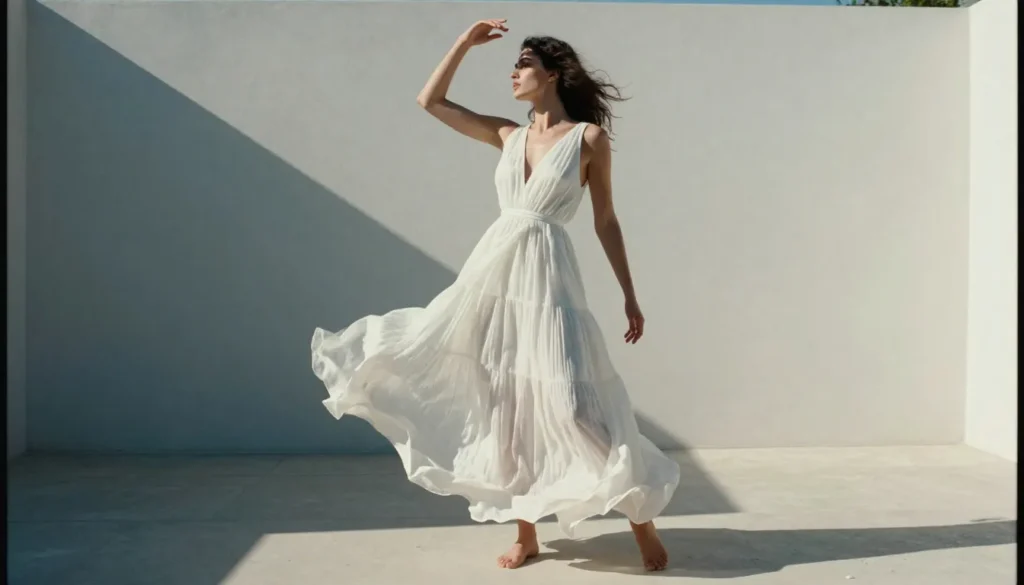
The power of the white dress lies in its neutrality. White sits at the intersection of simplicity and intention. Unlike bold colors or prints, it doesn’t dominate your look; it enhances it.
From a visual standpoint, white creates space. It allows the eye to focus on shape, movement, and proportion. This is why designers often start with white when developing silhouettes if it works in white, it works anywhere.
From a lifestyle perspective, white dresses are surprisingly practical. They transition smoothly from day to evening, casual to refined, relaxed to structured. With one change shoes, outerwear, or accessories the same dress can fit multiple parts of your day.
This adaptability is what makes the white dress more than just a seasonal trend. It becomes part of a functional wardrobe.
The Role of the White Dress in a Modern Capsule Wardrobe
Capsule wardrobes prioritize fewer pieces that work harder. Within this framework, the white dress plays a crucial role.
It pairs easily with neutral layers like beige coats, denim jackets, black blazers, and grey knits. It complements nearly every shoe color and works across different textures leather, suede, canvas, or raffia.
Because white doesn’t clash with other colors, it allows you to build outfits intuitively. This reduces decision fatigue and increases outfit consistency, especially for busy professionals, parents, or travelers.
A single well-chosen white dress can replace multiple “occasion-only” pieces, saving both space and money.
Understanding White: Not All Whites Are the Same

One common mistake is assuming all white dresses look the same. In reality, white exists on a spectrum.
Bright optic white feels crisp, modern, and bold. It’s often used in structured dresses and minimalist designs. Soft white and ivory feel warmer and more romantic, blending beautifully with natural fabrics like linen and cotton. Creamy whites tend to feel more forgiving and luxurious, especially on textured fabrics.
Understanding which shade of white complements your skin tone and wardrobe makes a noticeable difference. Warmer undertones often pair better with ivory or cream, while cooler undertones suit bright white. That said, confidence matters more than rules — wear what feels right.
Choosing a White Dress That You’ll Actually Wear
Many white dresses end up hanging in closets unworn because they don’t fit real life. Avoid this by being honest about your routine.
If your days involve movement, commuting, or long hours, prioritize comfort. Breathable fabrics, flexible fits, and practical lengths matter more than dramatic designs.
If you attend formal events or work in professional environments, structured white dresses with clean tailoring are ideal. They provide polish without stiffness.
Pay close attention to construction. Lining, seam placement, and fabric weight matter more in white than in darker colors. High-quality white dresses feel intentional, not fragile.
When possible, tailor your dress. Even small adjustments elevate the entire look and make the dress feel custom-made.
How to Style a White Dress Without Overthinking It
White dresses don’t need elaborate styling to look good. In fact, they look best when styling feels natural.
For casual wear, simple sandals, loafers, or white sneakers create a relaxed aesthetic. Adding a denim jacket or light cardigan makes the look approachable.
In work or formal settings, layering with structured pieces brings balance. A tailored blazer or waistcoat immediately sharpens the look. Neutral tones keep it timeless.
For evenings, a white dress becomes a blank canvas for personality. One statement piece — bold earrings, sleek heels, or a textured bag is often enough.
The goal isn’t perfection. It’s ease.
The Confidence Factor: Why People Feel Better in White Dresses
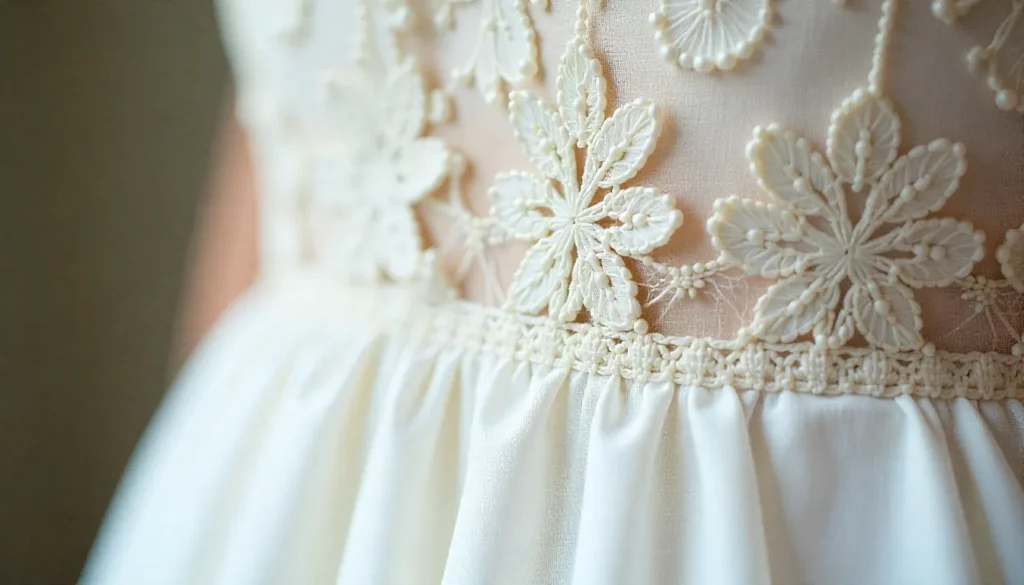
White dresses often change how people move and carry themselves. There’s a subtle psychological shift that happens when you wear something clean and uncomplicated.
White is associated with clarity and intention. It encourages mindfulness you become slightly more aware of posture, movement, and presence. This awareness often translates into confidence.
Unlike trend-heavy garments that can feel performative, white dresses feel grounded. You don’t feel like you’re wearing a costume. You feel like yourself.
That authenticity is what people notice most.
White Dresses in Real Life, Not Just Inspiration Photos
In real life, white dresses are worn to grocery stores, school events, coffee meetings, casual dinners, and weekend walks not just destination weddings or curated vacations.
They’re especially loved by travelers because they pack easily, pair with multiple accessories, and photograph beautifully in different settings.
Entrepreneurs and content creators often choose white dresses for branding photos because they don’t distract from messaging. White communicates clarity, trust, and professionalism without formality.
In everyday moments, white dresses offer a sense of calm that busy schedules often lack.
How to Care for a White Dress Without Stress
Maintaining a white dress doesn’t have to be intimidating. The key is consistency, not perfection.
Wash in cold water with mild detergent and avoid mixing with dark colors. Skip harsh bleach it can weaken fibers and cause discoloration over time. Air drying preserves brightness and structure.
Storage matters, too. Keep white dresses in breathable spaces and avoid prolonged exposure to direct sunlight.
Most importantly, wear your white dress often. Fabric that’s regularly washed and cared for usually lasts longer than items saved “for later.”
Common Reasons People Avoid White Dresses (And Why They Shouldn’t)
Fear of stains is the most common reason people avoid white. But stains happen on all colors they’re just more visible on white. With quick treatment and mindful care, this fear becomes manageable.
Another reason is transparency. This is solved through better fabric choices, proper lining, and nude undergarments.
Finally, some believe white isn’t “for them.” In reality, there’s a white dress for every body, style, and lifestyle the challenge is finding the right one, not avoiding the color.
White Dress vs Trend Pieces: A Smarter Investment
Trend-driven dresses often feel exciting at purchase but limited in use. They date quickly and require specific styling to work.
A white dress, on the other hand, adapts. It evolves with trends rather than being replaced by them. This makes it a more sustainable and cost-effective choice for long-term wardrobes.
In a fashion cycle that moves fast, the white dress slows things down in a good way.
Final Takeaway: The White Dress as an Everyday Essential
The white dress doesn’t promise transformation. It offers something better reliability.
It shows up when you don’t know what to wear. It adapts when plans change. It supports your style rather than overpowering it.
In choosing a white dress, you’re choosing simplicity, versatility, and quiet confidence. And in today’s world, that might be the most powerful style statement of all.
Frequently Asked Questions
Can white dresses be worn casually?
Yes. Casual fabrics, relaxed silhouettes, and simple styling make white dresses perfect for everyday wear.
Do white dresses suit all ages?
Absolutely. Style, length, and fabric can be adjusted to suit any age or lifestyle.
Are white dresses hard to style?
No. White is one of the easiest colors to style due to its neutrality.
What footwear works best with a white dress?
Almost everything sneakers, sandals, boots, heels depending on the occasion.

Sofia Bennett is a fashion writer and style observer known for her clean sense of aesthetics and trend analysis. She has covered fashion shows, reviewed designer collections, and interviewed independent creators. Sofia specializes in connecting fashion with real-life lifestyle choices, helping readers understand what looks good — and why.