I still remember standing in front of my closet the night before my first gala, surrounded by clothes yet convinced I had nothing to wear. The invitation promised an elegant evening dinner, speeches, music, the works but my excitement was tangled up with uncertainty. I wasn’t worried about fashion trends or designer labels. I was worried about getting it right. About walking into a room full of well-dressed people and feeling like I belonged there.
If you’ve ever asked yourself what to wear to a gala and felt that same knot of doubt, this guide is for you.
Gala dressing doesn’t have to be intimidating or exclusive. With the right understanding, it becomes a surprisingly empowering experience. This article is designed to help you navigate gala attire in a way that feels natural, realistic, and genuinely helpful. We’ll talk through dress codes in plain language, explore outfit choices that work for real bodies and real lives, and share practical tips that make the entire process smoother and more enjoyable.
What Makes a Gala Different from Other Formal Events?
A gala isn’t just a fancy party it’s a formal gathering with purpose. Most galas are tied to charitable causes, cultural institutions, or milestone celebrations. Think museum fundraisers, nonprofit benefits, industry award nights, or large-scale cultural events like the Met Gala, which while extreme sets the tone for what the word “gala” implies.
Because galas often raise funds or honor achievements, the dress code plays a role in creating an atmosphere of importance and respect. Dressing well is part of participating in that atmosphere. It signals that you understand the significance of the occasion and are showing up thoughtfully.
How to Decode a Gala Dress Code Without Stress
The invitation is your best guide, and the dress code printed on it is there to help not confuse you. Once you understand the intent behind the terminology, your outfit choices become much clearer.
Black tie is the most common gala dress code. For women, this traditionally means a floor-length evening gown made from a formal fabric such as silk, satin, velvet, chiffon, or crepe. While fashion has evolved and some modern interpretations allow for very elevated alternatives, a long gown remains the safest and most universally accepted option. For men, black tie requires a tuxedo with a formal shirt and bow tie.
Black tie optional introduces flexibility while maintaining a formal tone. Women can choose between a gown and a refined cocktail or midi dress that clearly reads as eveningwear. Men may wear a tuxedo or opt for a dark, well-tailored suit. This dress code is common for charity galas and corporate fundraisers where hosts want elegance without pressure.
Creative black tie keeps the structure of black tie but invites individuality. This is where you’ll see bold colors, interesting textures, dramatic silhouettes, and statement accessories. These galas often have an artistic or fashion-forward angle, and while creativity is encouraged, formality should still be respected.
White tie is the rarest and most formal dress code you’re likely to encounter. It’s reserved for state dinners, royal occasions, and the most prestigious events. For women, white tie calls for a full ball gown, often paired with opera gloves and fine jewelry. For men, it requires a tailcoat, white waistcoat, and white bow tie. If you ever receive a white tie invitation, tradition matters more than interpretation.
Choosing an Outfit That Flatters You and Fits the Occasion
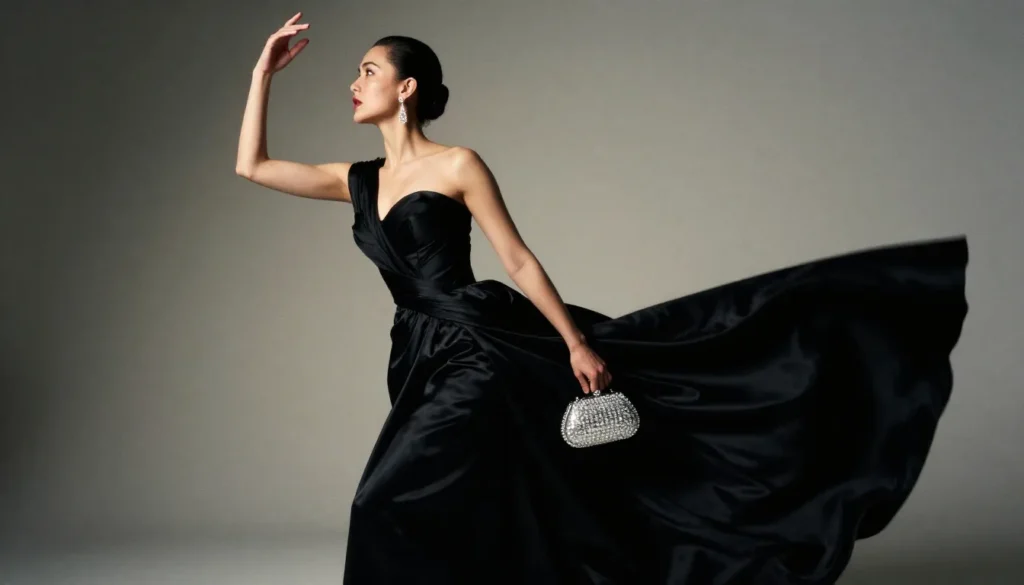
Once you understand the dress code, the focus shifts to choosing an outfit that works for your body, your comfort level, and the event itself. Gala dressing shouldn’t feel like wearing a costume. The most elegant looks are the ones where the wearer feels at ease.
Silhouette is a key factor. A-line gowns are popular because they define the waist and flow gently over the body, making them flattering and comfortable. Column or sheath dresses offer a sleek, modern look and are ideal for minimalist styles. Ball gowns are dramatic and memorable, best suited for very formal galas where grandeur is expected. Mermaid and trumpet styles hug the body and flare near the hem, creating a glamorous, red-carpet-inspired effect.
Fabric choice is what truly elevates an outfit. Eveningwear is defined by its materials. Silk and satin reflect light beautifully and feel luxurious. Velvet adds richness and depth, making it perfect for fall and winter galas. Chiffon and organza provide movement and softness, ideal for spring and summer events. Casual fabrics like cotton, linen, or jersey rarely belong at a gala, even in elegant cuts.
Color also influences how formal an outfit feels. Black is timeless and always appropriate. Jewel tones like emerald, sapphire, burgundy, and amethyst are rich and flattering under evening lighting. Metallics bring drama and celebration. Pastels can work for daytime or warm-weather galas when styled with polish and restraint.
Modern Alternatives to the Traditional Gala Gown
While the floor-length gown remains the classic choice, modern gala attire has expanded to include elegant alternatives particularly for black tie optional and creative black tie events.
A formal evening jumpsuit can be a striking option when done correctly. Look for wide-leg silhouettes, structured bodices, and luxurious fabrics. When paired with elegant heels and refined accessories, a jumpsuit can look just as formal as a gown while offering comfort and contemporary appeal.
Tailored tuxedo suits for women are another powerful alternative. Inspired by the work of Yves Saint Laurent, the women’s tuxedo blends sharp tailoring with femininity. Fit is crucial here. A well-tailored jacket and precisely hemmed trousers instantly elevate the look and ensure it feels intentional rather than casual.
Accessories That Pull the Look Together
Accessories are often what separate a good gala outfit from a great one. The key is balance.
Evening bags should be small and elegant. A clutch or minaudière in satin, velvet, metal, or crystal is ideal. It should hold only the essentials, which keeps the overall look refined.
Shoes deserve careful consideration. Heels are traditional because they enhance posture and how formalwear drapes, but comfort matters. A lower heel or block heel can be just as elegant if it allows you to move comfortably throughout the evening. Embellished flats can work when heels aren’t an option, but they should clearly read as eveningwear.
Jewelry should complement your outfit rather than compete with it. If your dress has a dramatic neckline or embellishment, simpler jewelry often works best. If your outfit is minimal, statement earrings or a bold necklace can add interest. Fine jewelry is ideal, but high-quality costume pieces can look equally stunning.
Outerwear is often overlooked but important. A tailored coat, elegant wrap, cape, or faux fur stole keeps you warm without undermining your outfit. Casual jackets can undo an otherwise polished look.
Hair and Makeup That Feel Polished, Not Overdone
Gala beauty should look intentional and long-lasting. Hairstyles like low chignons, classic updos, or smooth waves pair beautifully with formal attire. Even sleek ponytails can work when styled with precision.
Makeup typically leans more dramatic than daytime looks, but balance is key. Choose one focal point defined eyes or a bold lip and keep the rest refined. Long-wear products help ensure your look lasts through dinner, speeches, and dancing.
Seasonal and Venue Considerations
Context plays a significant role in deciding what to wear to a gala. Winter galas allow for heavier fabrics, deeper colors, and long sleeves. Summer galas benefit from lighter materials, breathable silhouettes, and softer palettes.
The venue also provides clues. A historic ballroom often calls for classic elegance, while a modern art museum or rooftop venue may welcome more contemporary styling. Let the setting guide your final choices without overriding the dress code.
Renting vs. Buying: Making Smart, Stylish Decisions
Formalwear can be a significant investment, especially if you don’t attend galas often. That’s why rental services like Rent the Runway have become so popular. Renting allows you to wear high-end pieces for a fraction of the cost, experiment with styles, and avoid storing outfits you may only wear once.
Buying makes sense if you attend formal events regularly or want a timeless piece you can rewear. A classic black gown or a well-tailored suit can serve you for years with thoughtful styling updates.
Common Gala Dressing Mistakes to Avoid
One of the most common mistakes is underdressing. A dress that works for a cocktail party may not be formal enough for a gala. Another frequent issue is fit. Even the most beautiful outfit can fall flat if it doesn’t fit properly, which is why tailoring is often worth the effort.
Over-accessorizing is another pitfall. When everything is a statement, nothing stands out. In formal settings, restraint often reads as confidence.
Conclusion:
Understanding what to wear to a gala isn’t about memorizing fashion rules or chasing trends. It’s about making thoughtful choices that respect the event and support how you want to feel. When you choose quality fabrics, prioritize fit, and style with intention, your outfit becomes a source of confidence rather than stress.
A gala is an opportunity to step into a more polished version of everyday life. When your clothing aligns with the occasion, you’re free to enjoy the experience—connecting with people, supporting a cause, and celebrating something meaningful. Elegance, at its core, is simply confidence paired with care.
Frequently Asked Questions (FAQs)
Can I wear the same gala outfit more than once?
Yes. Rewearing formalwear is practical and stylish. Changing accessories, shoes, or hair and makeup can make the outfit feel new.
Is it acceptable to wear white to a gala?
In most cases, yes. Avoid white only if the gala is connected to a wedding or the invitation specifies otherwise.
Are pants appropriate for a gala?
They can be, as long as they’re part of a formal outfit such as a tailored tuxedo suit or an evening jumpsuit made from luxurious fabric.
How far in advance should I plan my gala outfit?
Ideally two to four weeks in advance. This allows time for shopping, rentals, alterations, and coordinating accessories without stress.
Do I need designer brands to look elegant at a gala?
No. Fit, fabric, and styling matter far more than labels. Well-chosen high-street or rental pieces can look just as refined.
What matters most when deciding what to wear to a gala?
Appropriateness, comfort, and confidence. When those align, your outfit will always feel right.

Sofia Bennett is a fashion writer and style observer known for her clean sense of aesthetics and trend analysis. She has covered fashion shows, reviewed designer collections, and interviewed independent creators. Sofia specializes in connecting fashion with real-life lifestyle choices, helping readers understand what looks good — and why.