
Introduction
If you’ve ever tried to register an engineering firm, bid on a government tender, apply for industry certification, or simply explain what your company actually does to a bank or investor, you’ve probably hit an unexpected wall: business classification. On paper, it sounds dull. In real life, it can decide whether you win contracts, qualify for tax benefits, or get rejected before your proposal is even opened.
Engineering firms business classification criteria matter far more than most founders realize. I’ve seen brilliant engineering teams lose opportunities because they were misclassified, lumped into the wrong sector, or unable to prove what kind of engineering business they actually were. On the flip side, firms that understood classification early positioned themselves more clearly, attracted the right clients, and scaled faster.
In this guide, we’re going deep—but in plain language. You’ll learn what business classification really means for engineering firms, how different criteria are applied across industries and regions, why it affects revenue and compliance, and how to classify your firm correctly step by step. This isn’t theory. It’s practical, real-world guidance written for engineers, founders, consultants, and decision-makers who want clarity instead of bureaucracy-induced headaches.
By the end, you’ll know exactly how to define, defend, and optimize your engineering firm’s business classification with confidence.
Understanding engineering firms business classification criteria
At its core, engineering firms business classification criteria are the formal rules and frameworks used to categorize an engineering company based on what it does, how it operates, and who it serves. Think of classification as the label the business world uses to understand you quickly and consistently.
A useful analogy: imagine a library. Every book has a genre, subgenre, and shelf location. Without that system, finding anything would be chaos. Business classification works the same way. Governments, regulators, clients, and financial institutions need a standardized method to group firms so they can apply the right rules, expectations, and opportunities.
For engineering firms, classification is rarely based on a single factor. Instead, it usually considers a mix of:
- Primary engineering discipline (civil, mechanical, electrical, software, environmental, etc.)
- Core services provided (design, consulting, construction management, testing, R&D)
- Industry focus (infrastructure, energy, manufacturing, IT, healthcare, defense)
- Revenue model (consulting fees, project-based contracts, retainers)
- Company size and structure
What makes engineering firms tricky to classify is their hybrid nature. A firm might design systems, manage projects, provide advisory services, and oversee construction—all under one roof. Classification criteria force you to answer a deceptively simple question: what is your main business activity?
This matters because classification affects everything from tax codes and labor regulations to which tenders you’re allowed to bid on. Misunderstand it, and you risk being invisible to the right opportunities or exposed to compliance issues you didn’t plan for.
Why business classification matters for engineering firms
Business classification isn’t just paperwork; it’s leverage. When engineering firms understand and apply the right classification criteria, they unlock advantages that directly affect growth and stability.
First, classification determines eligibility. Many government and corporate projects are restricted to specific categories of engineering firms. If you’re misclassified, you might never even see the opportunity. I’ve worked with firms that wondered why competitors kept winning bids—until they realized their classification excluded them from entire procurement lists.
Second, it impacts legal and tax obligations. Engineering firms classified as consultancies may face different licensing requirements than firms classified as contractors or manufacturers. The same goes for VAT, sales tax, withholding tax, and cross-border services. A wrong classification can mean overpaying taxes or triggering audits.
Third, classification shapes perception. Clients use classification as a shortcut to trust. A firm clearly classified as an “engineering consulting firm specializing in infrastructure” sends a stronger signal than a vague “technical services company.” Investors and banks also rely on classification to assess risk and growth potential.
Finally, it affects scalability. As firms grow, expand services, or enter new markets, classification determines how smoothly that transition happens. Firms that proactively manage classification adapt faster, while others scramble to re-register, re-license, or restructure.
In short, engineering firms business classification criteria quietly influence revenue, compliance, credibility, and long-term strategy. Ignore them, and they’ll still affect you—just not in your favor.
Core criteria used to classify engineering firms
Although classification systems vary by country and authority, most rely on a consistent set of core criteria. Understanding these helps you anticipate how your firm will be evaluated and where ambiguity might arise.
Primary engineering discipline is usually the starting point. Authorities look at whether your firm primarily operates in civil, mechanical, electrical, chemical, software, or multidisciplinary engineering. This is often determined by your main deliverables, not your team’s degrees.
Service type comes next. Are you providing advisory and design services, or are you executing physical works? Engineering consulting firms are classified differently from EPC (engineering, procurement, construction) firms, even if both employ engineers.
Revenue source is another key factor. If most of your income comes from professional fees, you’re more likely classified as a professional services firm. If revenue is tied to materials, equipment, or construction output, classification shifts accordingly.
Client and industry focus also matter. Firms serving public infrastructure, energy, defense, or healthcare may fall under specialized classifications with additional compliance requirements.
Finally, organizational structure plays a role. Sole proprietorships, partnerships, and incorporated entities may face different classification thresholds, especially when professional licensing is involved.
The challenge is that no single criterion stands alone. Classification is usually based on the dominant activity—what you do most, earn most from, and market yourself as. Clarity and consistency across documents are critical here.
Common types of engineering firm classifications
Most engineering firms fall into a handful of broad classification categories, even though labels differ by jurisdiction. Understanding where you fit helps you position your business accurately.
Engineering consulting firms focus on advisory, design, analysis, and planning. They typically don’t execute construction but may oversee it. This classification often emphasizes professional licensing and intellectual output.
Engineering contracting firms are involved in execution. They may design systems but are primarily responsible for building, installing, or manufacturing them. These firms face stricter safety, labor, and insurance requirements.
EPC firms combine design, procurement, and construction into a single offering. Classification here often requires meeting multiple regulatory frameworks simultaneously.
Specialized engineering service providers focus on testing, inspection, certification, or niche technical services. These firms are often regulated based on industry standards rather than broad engineering codes.
Technology-driven engineering firms blur lines further, especially those offering software engineering, automation, or digital twins alongside traditional engineering services. Classification here often depends on whether engineering or software development is the dominant activity.
Choosing the right classification isn’t about aspiration; it’s about reality. Regulators and clients look at what you actually deliver, not what sounds impressive.
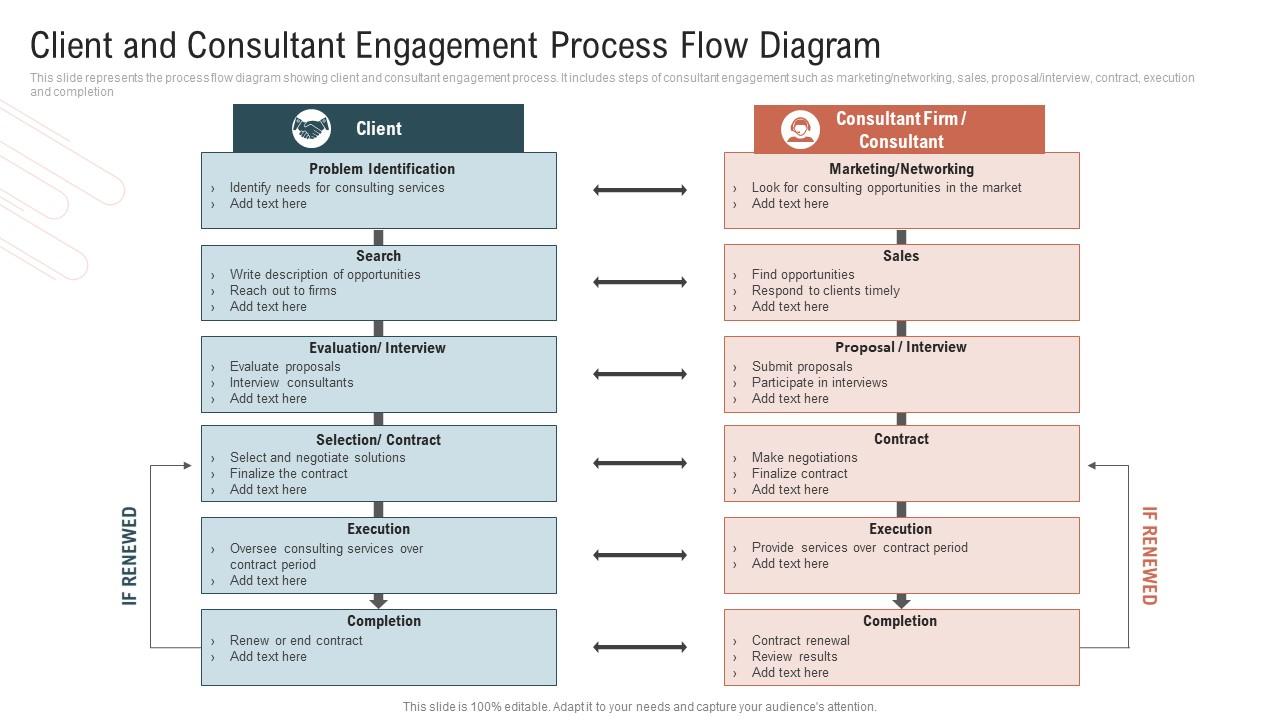

Benefits and real-world use cases of correct classification
When engineering firms apply the correct business classification criteria, the benefits show up quickly—and measurably.
One major benefit is smoother access to contracts. Correctly classified firms appear in the right vendor databases, prequalification lists, and industry directories. This reduces friction in bidding and increases win rates.
Another benefit is regulatory clarity. Firms know exactly which licenses, certifications, and audits apply to them. This reduces compliance risk and unexpected costs. I’ve seen firms save months of legal back-and-forth simply by aligning their classification with their actual operations.
Financial advantages also emerge. Banks and investors prefer clearly classified firms because risk assessment becomes easier. Insurance providers price policies more accurately, often lowering premiums for firms with well-defined scopes.
From a strategic standpoint, classification supports positioning. Marketing messages become sharper, sales conversations more focused, and partnerships easier to form. Clients understand what you do without guessing.
Real-world use cases include:
- A civil engineering consultancy reclassifying itself correctly to qualify for international donor-funded projects
- A multidisciplinary firm splitting into two entities to optimize classification and compliance
- A startup engineering firm choosing consulting classification to reduce early-stage regulatory burden
Correct classification doesn’t limit growth—it enables it.
Step-by-step guide to classifying your engineering firm correctly
Classifying your engineering firm doesn’t have to be intimidating if you approach it methodically.
Start by mapping your actual activities. List every service you provide and estimate the percentage of revenue each generates. Be honest—this data drives everything else.
Next, identify your primary activity. This is usually the service generating the highest revenue and consuming the most resources. Secondary activities can often be listed as additional services.
Then, research applicable classification systems in your jurisdiction. These might include national industry codes, professional registries, or procurement categories. Focus on definitions, not just labels.
Align your documentation. Your website, proposals, registration documents, and tax filings should all describe your business consistently. Inconsistencies are red flags.
Consult professionals when needed. Accountants, legal advisors, and industry bodies can clarify gray areas, especially for hybrid firms.
Finally, review classification periodically. As your firm evolves, your classification may need updating. Treat it as a living decision, not a one-time task.
This process saves time long-term and builds a solid foundation for growth.
Tools, frameworks, and resources for classification decisions
Several tools and frameworks can help engineering firms navigate classification more confidently.
Government business registries often provide searchable classification databases with definitions and examples. These are essential starting points.
Industry associations publish guidance tailored to engineering disciplines. These resources often explain how regulators interpret classifications in practice.
Accounting and compliance software sometimes includes built-in classification prompts, especially during business setup. While not perfect, they help surface key questions early.
Paid advisory services offer deeper analysis. Consultants specializing in engineering firms can assess operations and recommend optimal structures, especially for complex or multinational firms.
Free resources are best for early-stage firms with simple models. Paid expertise becomes valuable when regulatory exposure, revenue, or complexity increases.
The key is not the tool itself but how thoughtfully you apply it.


Common mistakes engineering firms make—and how to fix them
One of the most common mistakes is choosing a classification based on prestige rather than reality. Firms label themselves as EPC providers while operating purely as consultants, inviting regulatory scrutiny.
Another mistake is copying competitors blindly. Just because a rival uses a certain classification doesn’t mean it’s right for your structure or jurisdiction.
Inconsistency is also a major issue. Firms describe themselves differently across platforms, triggering audits or disqualification from tenders.
Some firms never update their classification as they grow, leading to compliance gaps and missed opportunities.
Fixes are straightforward but require discipline:
- Base classification on actual revenue and operations
- Document decisions and rationale
- Align all public and legal descriptions
- Review annually or after major changes
Mistakes happen, but proactive correction builds credibility rather than damaging it.
How classification impacts growth, scaling, and international expansion
As engineering firms scale, classification becomes a strategic tool rather than an administrative detail.
Expansion into new services may require secondary classifications or even new legal entities. Planning this early avoids disruption.
International expansion introduces multiple classification systems. Firms must decide whether to mirror home-country classification or adapt locally.
Mergers and partnerships also hinge on classification compatibility. Misalignment can delay deals or reduce valuation.
Forward-thinking firms treat classification as part of business architecture. They design structures that support flexibility while maintaining compliance.
Growth doesn’t mean abandoning classification—it means mastering it.
The future of engineering firms business classification
Classification systems are evolving. Digital engineering, sustainability services, and AI-driven design don’t fit neatly into old categories.
Regulators are slowly adapting, but firms often lead the way by clearly articulating what they do and why it matters.
Firms that invest in clarity—internally and externally—will shape how future classifications are defined. Those that wait will be forced to react.
The future favors firms that understand classification not as a constraint, but as a language of business.
Conclusion
Engineering firms business classification criteria may not be glamorous, but they are powerful. They influence who finds you, who trusts you, and what opportunities you can access.
By understanding how classification works, aligning it with your real operations, and revisiting it as you grow, you turn a bureaucratic necessity into a strategic advantage.
If you take one thing away from this guide, let it be this: clarity compounds. The clearer your classification, the easier everything else becomes.
If you’re unsure where your firm fits today, now is the perfect time to review, refine, and future-proof your position.
FAQs
What are engineering firms business classification criteria?
They are formal rules used to categorize engineering firms based on services, discipline, revenue model, and operations.
Why is correct classification important for engineering firms?
It affects legal compliance, eligibility for contracts, taxation, and market positioning.
Can an engineering firm have multiple classifications?
Yes, but one primary classification usually dominates, with secondary activities listed separately.
How often should an engineering firm review its classification?
At least annually or whenever services, revenue mix, or markets change significantly.
Does classification affect international projects?
Yes. Many international contracts require specific classifications aligned with local regulations.

Michael Grant is a business writer with professional experience in small-business consulting and online entrepreneurship. Over the past decade, he has helped brands improve their digital strategy, customer engagement, and revenue planning. Michael simplifies business concepts and gives readers practical insights they can use immediately.