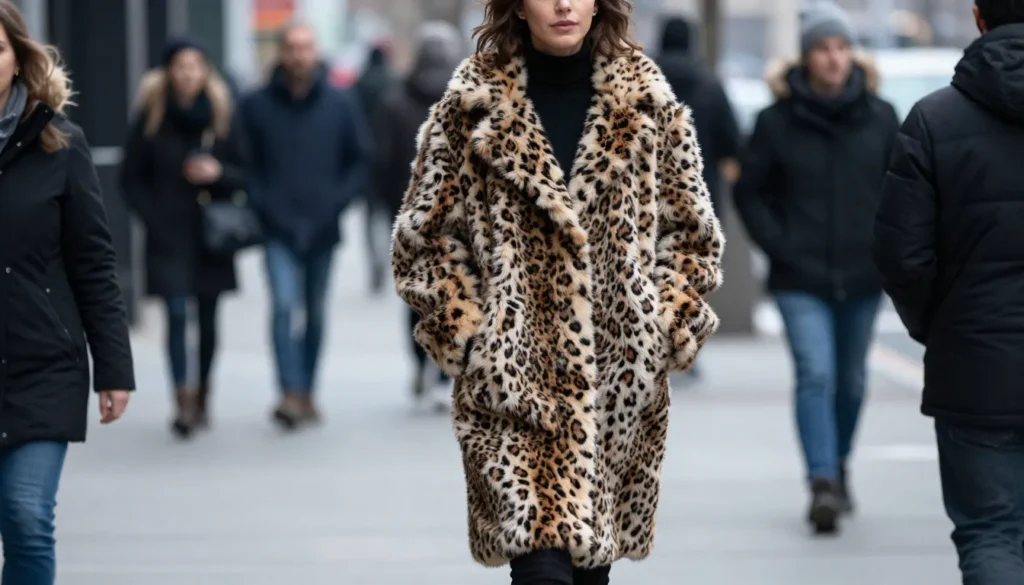
For decades, fur has been a symbol of luxury and status, but a powerful shift has taken place in the fashion world. The glamour once associated with real fur has been challenged and largely replaced by a more conscious, innovative, and equally luxurious alternative. Welcome to the era of faux fur fashion. No longer a cheap imitation, modern synthetic fur has become a statement of both style and principle. As designers and consumers alike embrace ethical choices, high-quality vegan fur has proven that you don’t have to compromise on glamour to support animal welfare.
This guide will explore the complete world of faux fur, from its technological advancements to its celebrity endorsements. We will break down how to style these statement pieces, what to look for when shopping, and how to care for them so they last a lifetime. Prepare to see how this ethical alternative has become a cornerstone of the modern winter wardrobe.
The Rise of Faux Fur: More Than Just a Trend
The move towards faux fur is not a fleeting trend; it’s a fundamental change in the fashion industry’s value system. This evolution has been driven by several key factors, transforming faux fur from a niche product into a mainstream powerhouse.
Ethical Considerations and Animal Welfare
The primary driver behind the faux fur movement is ethics. Growing public awareness, fueled by animal rights organizations and powerful documentaries, has shed light on the cruelty inherent in the fur trade. As a result, consumers have begun demanding alternatives that do not involve animal harm. This consumer pressure has led to a ripple effect, with major fashion houses making bold statements.
High-profile brands that have gone fur-free include:
- Gucci
- Versace
- Prada
- Burberry
- Chanel
When these titans of luxury renounce real fur, it sends a clear message: the future of high fashion is ethical.
Technological Advancements in Textiles
Today’s faux fur is a world away from the coarse, obviously fake materials of the past. Thanks to incredible innovations in textile technology, modern synthetic fur can mimic the look and feel of real fur with astonishing accuracy.
- Softer Fibers: Manufacturers now use finer, more sophisticated acrylic and modacrylic fibers that are incredibly soft to the touch.
- Realistic Textures: Advanced techniques allow for the creation of varied textures that replicate different types of fur, from the dense undercoat of a mink to the long, silky hairs of a fox.
- Vibrant, Lasting Color: Unlike real fur, which is difficult to dye in bright colors, faux fur can be produced in any shade imaginable, from realistic browns to bold neon pinks.
How to Spot High-Quality Faux Fur
With its popularity comes a wide range of quality. Knowing what to look for can mean the difference between a coat that lasts one season and one that becomes a treasured piece of luxury outerwear.
Check the Base Fabric
Part the fibers of the garment and look at the fabric base. High-quality faux fur will be stitched onto a dense, flexible backing. A flimsy or sparse base indicates a lower-quality product that is more likely to shed.
Feel the Texture
Good faux fur should feel soft and silky, not rough or plastic-like. Run your hand over it. The fibers should move smoothly and have a pleasant feel against your skin. A high-end piece will often have varying fiber lengths to create a more natural, dense appearance.
Test for Shedding
Gently pull on a small section of the fur. While a few loose fibers are normal on a new garment, excessive shedding is a red flag. A well-made faux fur coat should have minimal shedding, ensuring it won’t leave a trail of fluff on your other clothes.
Styling Faux Fur: From Casual to Couture
The beauty of faux fur fashion lies in its versatility. It can elevate a simple outfit or be the centerpiece of a glamorous ensemble.
The Statement Coat
A faux fur coat is the ultimate winter wardrobe staple. It can be thrown over virtually any outfit to add instant drama and warmth.
- Casual Chic: Pair a leopard-print faux fur coat with a simple black turtleneck, straight-leg jeans, and ankle boots. The coat does all the talking, transforming a basic look into a fashion-forward statement.
- Evening Glamour: For a night out, wear a long, black faux fur coat over a silk slip dress or a tailored jumpsuit. This creates a timeless, old Hollywood vibe.
- Colorful Fun: Don’t be afraid of color. A bright blue, pink, or emerald green faux fur coat adds a playful and unexpected pop to a monochrome outfit.
Faux Fur Vests and Gilets
A faux fur vest is a fantastic layering piece, perfect for transitional weather in fall and spring.
- Boho Vibe: Layer a shaggy, cream-colored faux fur vest over a floral maxi dress and pair with suede boots for a 70s-inspired look.
- Urban Edge: Wear a sleek black faux fur gilet over a leather jacket. This combination of textures adds depth and a modern edge to your outfit.
Faux Fur Accessories
If a full coat feels too bold, accessories are the perfect way to incorporate the trend into your look.
- Collars and Scarves: A detachable faux fur collar can be added to a wool coat or denim jacket to give it a fresh, luxurious update. A faux fur scarf or stole adds warmth and a touch of elegance.
- Bags and Shoes: Faux fur-trimmed bags, from totes to clutches, add a playful texture to your ensemble. Similarly, boots or loafers with faux fur lining or accents are both stylish and cozy.
Caring for Your Faux Fur Garments
Proper care is essential to keeping your faux fur looking plush and luxurious for years to come. Unlike real fur, faux fur is relatively easy to maintain, but it does require some special attention.
Washing and Cleaning
- Spot Cleaning: For small spills, spot clean immediately with a damp cloth and a mild detergent. Gently blot the area; do not rub.
- Hand Washing: The safest method is to hand wash in cold water with a gentle detergent. Submerge the garment, gently agitate it, and let it soak for about 15-20 minutes. Rinse thoroughly with cold water.
- Machine Washing: Some faux fur items are machine washable. If so, always use the delicate cycle with cold water and turn the garment inside out. It’s best to place it in a large mesh laundry bag to protect it.
- Professional Cleaning: For heavily soiled or structured coats, professional dry cleaning is recommended. Make sure to find a cleaner experienced with handling faux fur.
Drying and Storage
NEVER put faux fur in the dryer. The high heat will melt the synthetic fibers, causing them to mat and become permanently damaged.
- Remove Excess Water: Gently squeeze out the water. Do not wring or twist the garment.
- Air Dry: Hang the garment on a sturdy, padded hanger and let it air dry completely. Keep it away from direct sunlight or heat sources.
- Fluff it Up: Once dry, use a wide-tooth comb or a pet brush with widely spaced bristles to gently brush the fibers and restore their fluffiness.
- Storage: Store your faux fur in a cool, dry place with plenty of space to avoid crushing the fibers. Use a breathable garment bag, not a plastic one.
The Future of Faux Fur and Sustainable Fashion
The conversation around faux fur is evolving. While it is undoubtedly a more ethical choice than real fur, discussions about its environmental impact are becoming more prominent.
The Sustainability Debate
Most faux fur is made from petroleum-based synthetic polymers like acrylic and polyester, which are essentially plastics. This raises concerns about microplastic pollution and the use of non-renewable resources.
The Rise of Bio-Based Furs
In response, the fashion industry is innovating once again. Brands are now developing faux fur made from plant-based and recycled materials.
- KOBA®: This is a groundbreaking bio-based fur made using corn byproducts. It is both recyclable and uses significantly less energy to produce than traditional faux fur. Stella McCartney has been a pioneer in using this material.
- Recycled Materials: Some companies are creating faux fur from recycled plastic bottles, turning waste into a wearable luxury product.
These innovations show that the industry is working towards a future where fashion can be both cruelty-free and environmentally sustainable.
Conclusion
Faux fur fashion has successfully shed its “cheap imitation” label to become a symbol of modern luxury and conscious consumerism. It offers the warmth, glamour, and versatility of its traditional counterpart without the ethical burden. With incredible technological advancements creating softer and more realistic textures, there has never been a better time to embrace this trend.
Whether you opt for a classic statement coat, a chic vest, or playful accessories, faux fur allows you to express your personal style while making a compassionate choice. By learning how to identify quality pieces and care for them properly, you can build a stylish and sustainable winter wardrobe that looks good and feels even better.
Frequently Asked Questions (FAQs)
Q: Is faux fur as warm as real fur?
A: High-quality, dense faux fur can be incredibly warm. While real fur has natural insulating properties, modern faux furs are designed with dense fibers and wind-resistant backings that provide excellent protection against the cold.
Q: Does faux fur shed a lot?
A: Lower-quality faux fur is prone to shedding. However, a well-made garment should have minimal shedding after the first few wears. To minimize this, you can gently brush it before wearing to remove any loose fibers.
Q: Can I wear faux fur in the rain?
A: It is best to avoid getting faux fur soaking wet. Light rain is generally fine, but a downpour can cause the fibers to mat. If it does get wet, let it air dry completely and then gently brush it to restore its texture.
Q: Is faux fur considered vegan?
A: Yes, faux fur is a key component of vegan fashion because it is made from synthetic materials and does not involve any animal products. It is a staple for anyone following a vegan or cruelty-free lifestyle.
Q: How has the perception of faux fur changed over time?
A: In the mid-20th century, faux fur was seen as a cheap alternative for those who couldn’t afford real fur. Today, it is a deliberate choice celebrated for its ethical and creative possibilities. Many top designers now exclusively use faux fur, positioning it as a luxury item in its own right.

Sofia Bennett is a fashion writer and style observer known for her clean sense of aesthetics and trend analysis. She has covered fashion shows, reviewed designer collections, and interviewed independent creators. Sofia specializes in connecting fashion with real-life lifestyle choices, helping readers understand what looks good — and why.