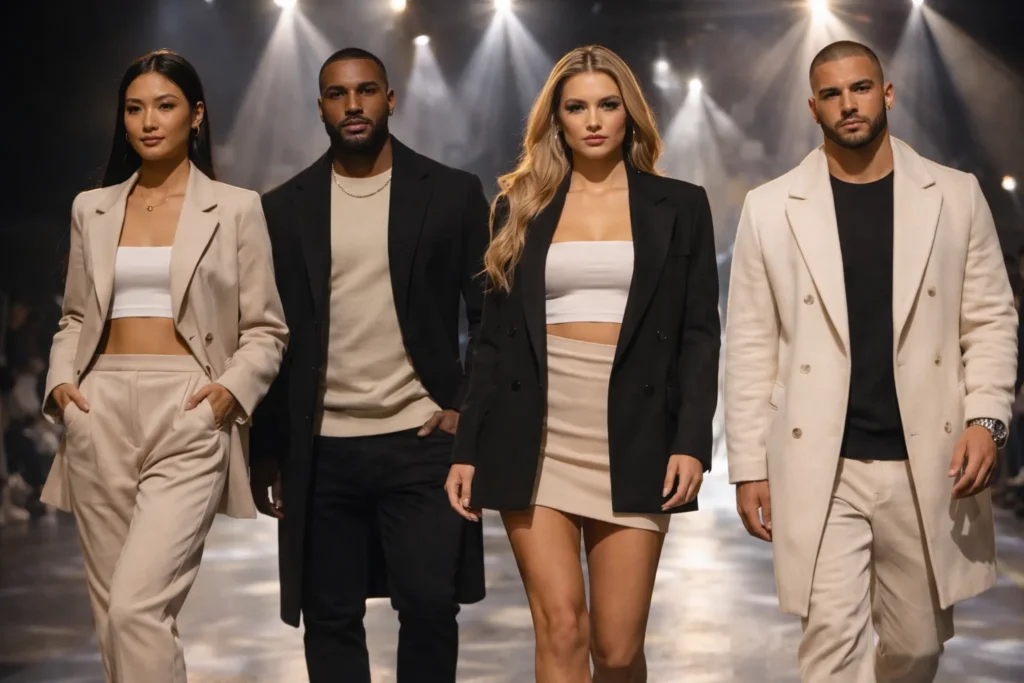
An outfit fashion show is more than just models walking in clothes; it is a powerful, kinetic form of storytelling. It’s where fabric, music, light, and movement converge to create an unforgettable experience that launches collections, builds brands, and captivates audiences. Whether you are an emerging designer unveiling your first line, a boutique owner showcasing seasonal arrivals, or a school/organization planning a charity event, producing a successful fashion show is a complex but deeply rewarding endeavor. This ultimate guide will walk you through every critical phase of planning and executing a professional outfit fashion show. We’ll cover everything from developing a compelling theme and curating a cohesive collection to the nuts and bolts of model casting, runway design, and post-show marketing. By transforming your vision from concept to catwalk, you can create a powerful platform for your fashion narrative.
Phase 1: The Foundation – Concept and Planning
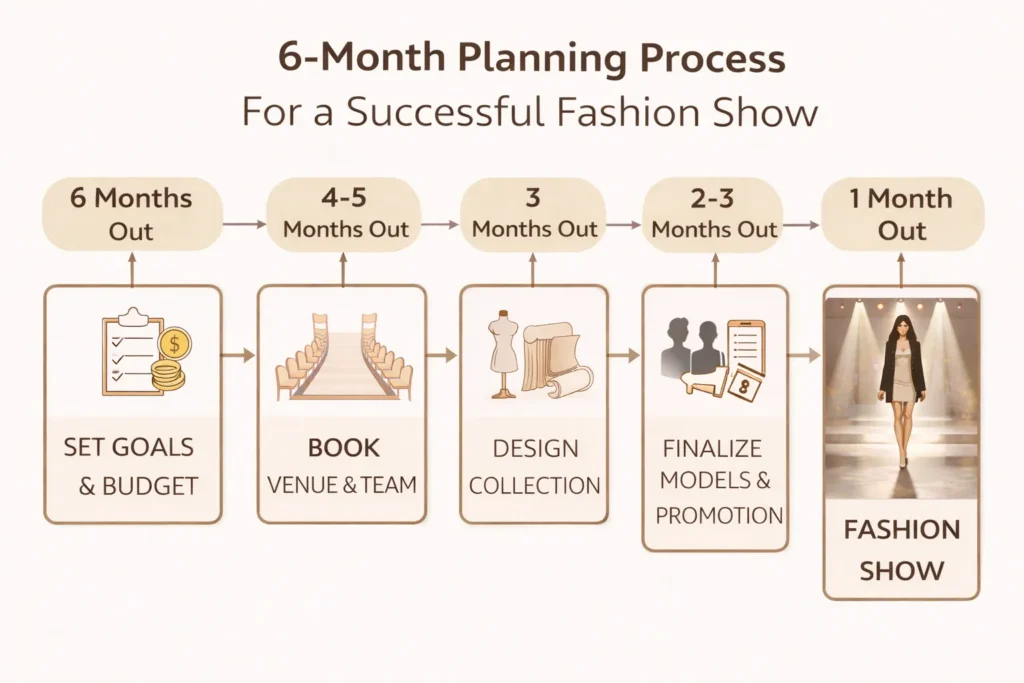
Every iconic show starts with a strong foundational idea. This phase is about defining your “why” and building a framework for success.
Defining Your Show’s Purpose and Theme
Your show’s purpose is its engine. Its theme is the aesthetic fuel.
- Clarify Your Objective:
- Is it to launch a new collection for a designer or brand?
- Is it a retail event for a boutique to drive sales?
- Is it a charity fundraiser or a school/college showcase of student work?
- Is it a cultural or thematic presentation (e.g., sustainable fashion, vintage revival)?
- Develop a Compelling Theme: The theme provides creative direction for every element.
- Examples: “Neo-Romanticism,” “Urban Architecture,” “Cyber Garden,” “Decade: Rewind (90s).”
- Brainstorming Questions: What story are the outfits telling? What emotion do you want to evoke? What is the visual world of this show?
Building Your Team and Budget
A fashion show is a collaborative marathon. You cannot run it alone.
- Core Team Roles:
- Creative Director/Producer: The visionary who oversees the entire production.
- Show Director/Choreographer: Manages model pacing, walking styles, and runway formations.
- Backstage Manager: The commanding officer of backstage chaos, responsible for outfit changes, model lineup, and timing.
- Stylist: Ensures each model’s look is perfect, with the right accessories, fit, and attitude.
- Volunteer Coordinators: For tasks like ushering, dressing assistance, and setup.
- Creating a Realistic Budget: Itemize every potential cost.
- Venue Rental & Permits
- Model Fees (or gifts for volunteer models)
- Lighting & Sound Equipment/Technicians
- Runway Construction (rental or build)
- Hair & Makeup Artists
- Marketing & Photography
- Catering/Backstage Supplies
- Contingency Fund (always add 10-15% for unexpected costs)
Phase 2: The Creative Core – Curating the Collection and Casting
This is where your theme meets reality. The selection of outfits and the people who bring them to life are the heart of the show.
Curating the Outfit Lineup and Sequencing
The order in which outfits appear is a narrative in itself.
- The Art of Curation: Select outfits that collectively express your theme. There should be a visual flow—a conversation between pieces.
- Mastering the Runway Lineup (The Line Sheet):
- Opening Look: Sets the tone. Often a strong, iconic piece from the collection.
- Building the Middle: Group outfits in mini-chapters (e.g., all daytime looks, then evening wear). Vary silhouettes and colors to maintain audience interest.
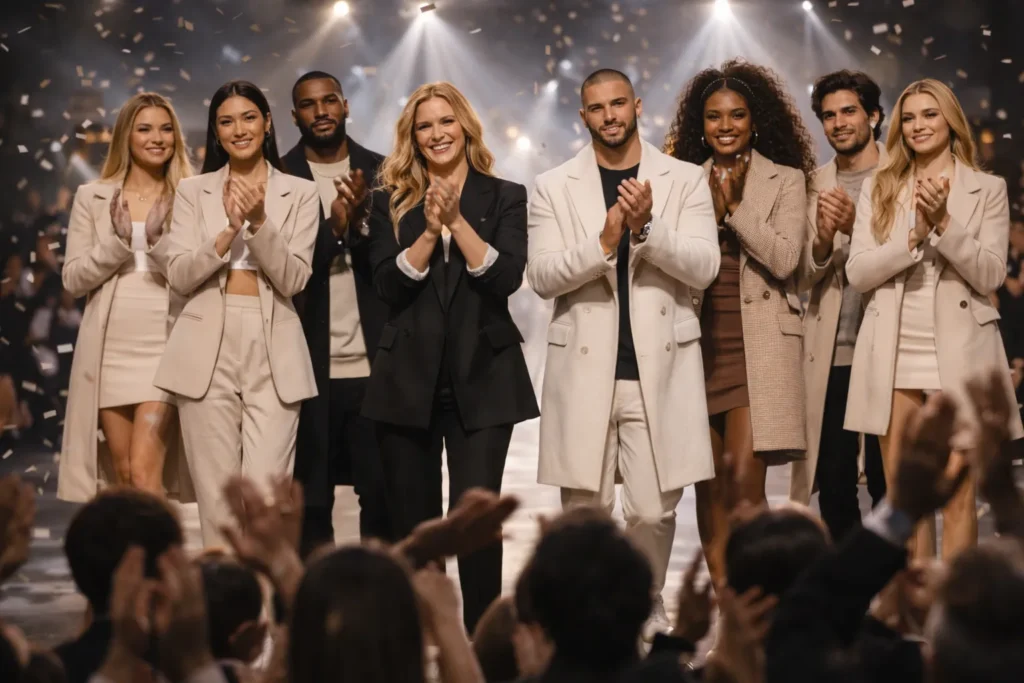
- The Finale & Walk-Outs: The finale is the climax, often featuring the most spectacular outfit (like a bridal gown or avant-garde piece). This is typically followed by a collective walk-out with all models, often led by the designer.
Model Casting and Choreography
The models are the performers of your story. Cast for personality and walk, not just measurements.
- Holding a Casting Call:
- Seek diversity in size, height, and ethnicity to showcase the clothes on different bodies.
- Look for models who can embody the attitude of your theme.
- Have them walk. Confidence and posture are more important than a perfect runway strut for a local show.
- Basic Runway Choreography:
- The Walk: Decide on the walking style—fast-paced, slow and dramatic, with pauses?
- Poses & Turns: Where will models pause and pose (at the end of the runway)? What kind of turn will they use (simple pivot, dramatic spin)?
- Rehearsal is Non-Negotiable: Conduct at least one full dress rehearsal with music. This synchronizes models, backstage crew, and tech operators.
Phase 3: The Production – Venue, Runway, and Atmosphere
The environment you create is the stage for your story. Technical production transforms a space into an experience.
Choosing the Perfect Venue
The venue must serve both the audience’s experience and the backstage logistics.
- Key Considerations:
- Space: Adequate room for a runway (minimum 30-40 feet long), front-row seating, and a spacious backstage area for quick changes.
- Lighting & Sound Control: Can the space be darkened? Are there built-in sound/light systems?
- Accessibility: Easy load-in/load-out for equipment, and accessibility for guests.
- Atmosphere: Does the venue’s existing aesthetic complement your theme? A raw warehouse suits an urban theme; a ballroom suits elegance.
Designing the Runway and Set
Your runway is the literal path your vision will take.
- Runway Configurations:
- Traditional Straight Runway: The classic “T” shape extending into the audience. Best for clear, direct viewing.
- Circular or 360-Degree Runway: Creates an immersive experience but is more complex to stage and view.
- Installation-Based: Models move through a designed set or art installation rather than a traditional catwalk.
- Set Design & Props: Enhance, don’t distract. A few well-chosen props (e.g., minimalist geometric shapes, draped fabric) can amplify your theme without competing with the fashion show outfits.
The Power of Music, Lighting, and Tech
These elements are the unsung heroes that elevate emotion.
- Music: Work with a DJ or create a playlist that matches the energy of each segment. The music should have a clear beginning, middle, and crescendo for the finale.
- Lighting: Use lighting to create mood. Spotlights follow models, colored washes set the scene, and dramatic blackouts can punctuate segments.
- Tech Rehearsal: A full technical rehearsal with sound, lights, and models is essential to work out all cues.
Phase 4: Behind the Scenes – The Engine Room
What happens backstage determines the smoothness of what the audience sees.
Backstage Organization: Military Precision
Chaos is the enemy. Organization is your weapon.
- The Dressing Area: Organized by model or by outfit sequence. Each model should have a labeled rack and a station with their name and lineup.
- The Line-Up: The backstage manager must have the master lineup and ensure models are ready 3-4 looks before their turn.
- Dressers & Volunteers: Assign specific helpers to specific models. Clear communication is key.
Hair, Makeup, and Styling
The final polish that brings the head-to-toe look together.
- Briefing the Team: Provide mood boards, outfit photos, and a clear schedule to hair and makeup artists well in advance.
- The Styling Kit: Backstage must have a fully stocked kit: double-sided tape, safety pins, lint rollers, needle/thread, clear straps, steamer/iron, and extra accessories.
Phase 5: The Audience Experience and Beyond
The show is also about the guests. Their experience begins with the invitation and extends long after the final walk.
Marketing, Invitations, and Seating
Create anticipation and ensure a smooth guest experience.
- Promotion: Use social media teasers, email marketing, and local press. Create a compelling event page.
- The Invitation & Ticket: Reflects the show’s theme and sets expectations.
- Seating Chart: A well-planned seating chart is crucial. Reserve front rows for VIPs, press, and buyers.
Capturing and Leveraging Content
The show’s lifespan is extended through high-quality content.
- Hire Professional Photographers & Videographers: This is not the time for smartphone photos. You need high-resolution images for press, social media, and your portfolio.
- Social Media Integration: Consider a dedicated hashtag. Have someone live-post behind-the-scenes stories and key moments.
The Post-Show Strategy
The final curtain is not the end.
- Thank You’s: Send thank-you emails to models, crew, sponsors, and VIP attendees.
- Content Distribution: Share photos and videos across all platforms. Send a press pack to relevant media outlets.
- Sales & Follow-Up: If it’s a retail show, have a clear path for customers to purchase the outfits they saw. For a designer, follow up with buyers and press.
Conclusion:
Producing a successful outfit fashion show is a monumental task that blends art, logistics, and sheer willpower. It is the tangible culmination of a creative vision, a live performance where fashion transcends the static page or screen. While the path involves meticulous planning, relentless problem-solving, and collaborative effort, the reward is unparalleled: the collective gasp of an audience, the flash of cameras capturing a perfect moment, and the profound satisfaction of having told a compelling story through style. By following this structured guide from nurturing the initial spark of a theme to executing the final post-show strategy you equip yourself to navigate the complexities and create not just an event, but an experience that resonates. The runway awaits your vision.
FAQs: Your Outfit Fashion Show Questions, Answered
Q1: How long should a local/boutique fashion show be?
A: For a non-industry, audience-focused show, brevity is key. Aim for 20-30 minutes of actual runway time, featuring 20-40 outfits. Including time for arrivals, mingling, and a post-show reception, the total event should not exceed 1.5 to 2 hours.
Q2: How many models do I need for a show?
A: A good rule of thumb is to have 1.5 to 2 times the number of outfits. If you have 30 outfits, you’ll need 15-20 models. This allows for quick changes and gives each model 2-3 looks. Fewer models mean faster, more stressful changes.
Q3: What’s the most common mistake first-time show producers make?
A: Underestimating the importance of rehearsal and backstage organization. A show with stunning outfits can fall apart if models are late to the runway, music is out of sync, or changes are chaotic. Invest time in a full dress/tech rehearsal.
Q4: How can I make my show stand out on a small budget?
A: Creativity trumps budget. Focus on a strong, clear theme. Use inventive, low-cost set design (projected visuals, clever lighting, simple props). Cast enthusiastic models who believe in the project. Compelling music and confident styling can make a minimal budget look intentional and avant-garde.
Q5: Do I need special insurance for a fashion show?
A: Yes, you absolutely should investigate event liability insurance. It protects you in case of accidents (e.g., a model falls, equipment damages the venue). Many venues will require you to provide a certificate of insurance. It’s a critical part of professional risk management.

Sofia Bennett is a fashion writer and style observer known for her clean sense of aesthetics and trend analysis. She has covered fashion shows, reviewed designer collections, and interviewed independent creators. Sofia specializes in connecting fashion with real-life lifestyle choices, helping readers understand what looks good — and why.