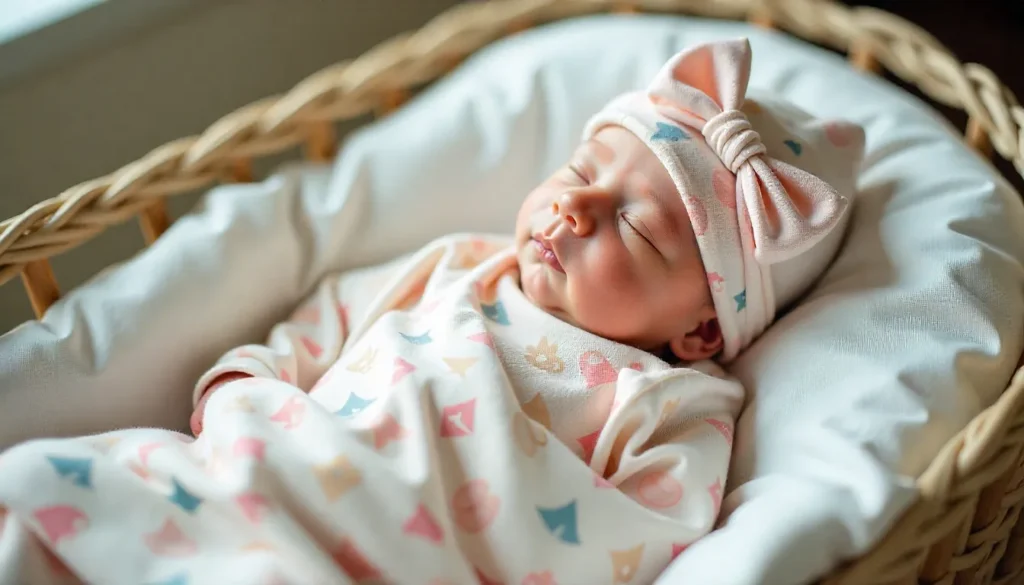
The first time you dress a baby girl, it feels surprisingly emotional. You’re holding something impossibly small, choosing fabric and colors while wondering if she’ll be comfortable, warm enough, or fuss because the outfit feels wrong. Many parents expect this part to be easy, only to realize that picking the right baby girl outfit is a mix of love, learning, and trial and error.
This guide is written for real parents living real days, not just picture-perfect moments. It’s meant to help you understand how to choose baby girl outfits that feel good on your baby, work with your routine, and still look beautiful. Whether you’re preparing for a newborn, shopping for a growing infant, or buying a gift, this article walks you through the process in a calm, practical, and genuinely helpful way.
What a Baby Girl Outfit Really Represents
A baby girl outfit is more than clothing. It’s warmth, protection, and a small expression of care. In the early months, outfits support sleep, feeding, movement, and bonding. As babies grow, clothing becomes part of how they explore the world—crawling, pulling up, and eventually walking.
Modern baby girl outfits have moved far beyond stiff dresses and decorative pieces. Today’s parents value comfort-first designs, soft fabrics, and versatile styles that transition easily from naps to outings. Style still matters, but it no longer comes at the cost of practicality.
Understanding this shift helps parents shop smarter and avoid filling drawers with clothes that look nice but never get worn.
Comfort Always Comes First (and Why It Matters)
Babies experience the world physically before anything else. If an outfit scratches, squeezes, or traps heat, your baby will let you know usually by crying or refusing to settle. Comfort directly affects sleep quality, feeding routines, and overall mood.
Natural fabrics such as organic cotton, bamboo, and muslin are widely preferred because they are breathable and gentle on sensitive skin. These materials help regulate body temperature and reduce the risk of irritation or rashes. Stretch is another key factor. Babies move constantly, even when sleeping, so outfits need flexibility.
Design details also play a big role. Flat seams prevent rubbing, tagless labels reduce itchiness, and soft elastic waistbands avoid leaving marks. These features may seem minor, but they often determine which outfits parents reach for every day.
Everyday Baby Girl Outfit Essentials You’ll Rely On
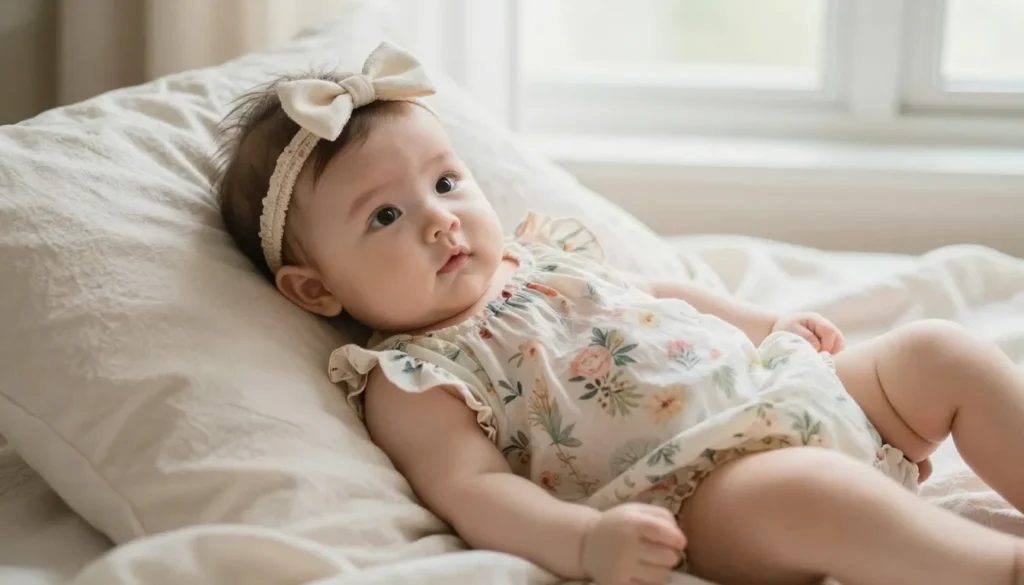
When parents look back, they often realize that a small group of simple pieces made up most of their baby’s wardrobe. These are the items that get worn, washed, and worn again.
Bodysuits form the foundation of almost every baby girl outfit. They stay in place, layer easily, and work in all seasons. Having a mix of short-sleeve and long-sleeve bodysuits allows flexibility as temperatures change. Neutral colors combined with soft prints offer variety without overwhelming your options.
Rompers and one-piece outfits are another daily favorite. They remove the need to coordinate separate pieces while still looking put together. Many parents prefer styles with snap closures or two-way zippers because they make diaper changes faster and less disruptive.
Soft leggings and pants add warmth and style without restricting movement. These pieces pair easily with bodysuits, tunics, and dresses, making them incredibly versatile.
Sleepers and footed pajamas are often the most-used baby girl outfit in the early months. Babies sleep frequently, and soft sleepers keep them cozy day and night without the need for constant outfit changes.
Dressing a Baby Girl by Season Without Stress
Seasonal dressing doesn’t have to be complicated. The goal is to keep your baby comfortable, not to follow strict fashion rules.
In warm weather, lightweight and breathable fabrics are essential. Cotton dresses, rompers, and short-sleeve bodysuits allow airflow and prevent overheating. Loose silhouettes are often more comfortable than tight-fitting clothes.
In colder months, layering is safer than heavy single outfits. A bodysuit under a dress, paired with leggings and a soft cardigan, provides warmth without bulk. Babies should feel snug but still be able to move freely.
During transitional seasons like spring and fall, flexibility is key. Long-sleeve rompers, lightweight jackets, and cotton sweaters allow you to adapt to temperature changes throughout the day.
Special Occasion Baby Girl Outfits That Still Feel Right
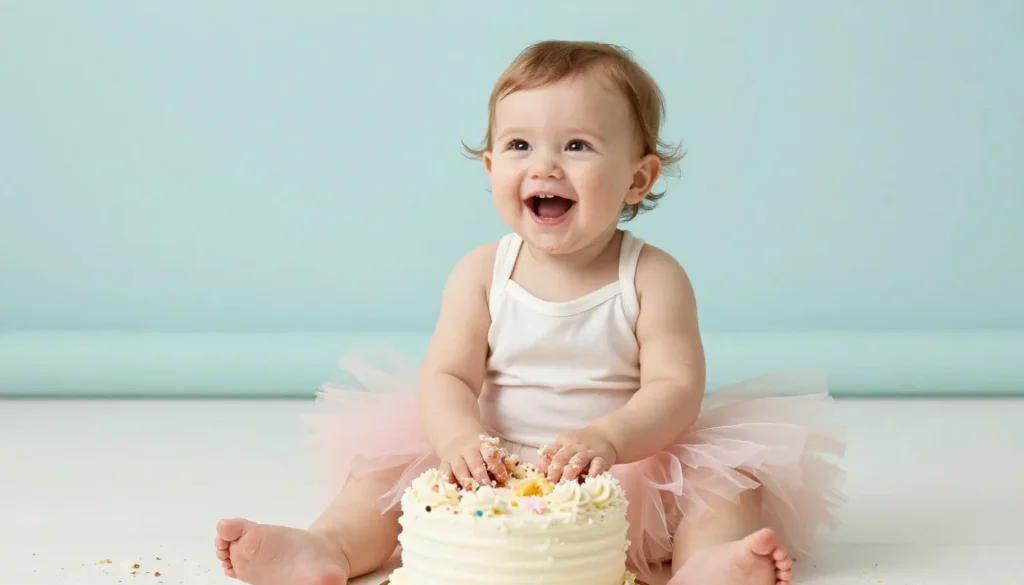
Special moments deserve special outfits, but comfort should never be sacrificed. The best occasion outfits are designed with soft fabrics and practical construction.
A coming-home outfit is often chosen with great care. Many parents select a knotted gown or a soft romper with a matching bow or hat. These outfits are gentle on newborn skin and photograph beautifully.
For first birthdays and cake smash celebrations, outfits should be festive but easy to clean. Simple bodysuits paired with tutus or ruffled bloomers strike a balance between style and practicality.
At weddings or formal events, breathable fabrics and flexible waistbands matter more than elaborate details. Babies need to be held, fed, and sometimes nap during events, so outfits should support that reality.
Accessories: Enhancing a Baby Girl Outfit Without Overdoing It
Accessories can add charm, but they should never interfere with comfort or safety. Soft headbands, bows, and hats are popular because they add personality without changing the outfit itself.
Stretchy headbands made from soft nylon or cotton blends are often preferred because they don’t apply pressure. Lightweight bows and clips should always be used under supervision, especially with younger babies.
Tights and knee-high socks add warmth and polish during cooler months, especially with dresses. Soft-soled shoes and booties are useful for warmth and photos, but structured shoes aren’t necessary until walking begins.
Everyday Reality vs. Social Media Expectations
Social media often shows babies dressed in flawless outfits at all times, but real life is different. Babies spit up, have diaper leaks, and fall asleep unexpectedly. Outfits need to handle all of that.
Many experienced parents keep a few “photo outfits” for special moments while relying on comfortable basics for daily wear. This approach reduces stress and laundry while keeping babies happier.
The most successful baby girl outfit is one you don’t have to think about. If it supports your routine instead of complicating it, it’s doing its job.
Choosing Baby Girl Outfits as Gifts
Clothing is one of the most common baby gifts, and when chosen thoughtfully, it’s also one of the most appreciated. The safest approach is to size up and choose versatile designs.
Rompers, two-piece sets, and dresses with bloomers work well because they adapt to different situations. Neutral colors and classic prints make it easier for parents to incorporate the outfit into their existing wardrobe.
Many parents trust brands such as Carter’s, Hanna Andersson, and Burt’s Bees Baby for their focus on soft fabrics, durability, and baby-safe designs.
Practical Habits That Make Baby Clothing Easier
You don’t need special tools to manage baby clothes, but a few habits can simplify daily life. Organizing clothes by size rather than type helps you transition smoothly as your baby grows.
Washing baby clothes with fragrance-free detergent reduces the risk of irritation. Treating stains quickly and avoiding high heat drying helps outfits last longer.
Keeping a spare outfit in your diaper bag is another simple habit that saves many outings from unexpected messes.
Common Baby Girl Outfit Mistakes to Avoid
One of the most common mistakes is choosing outfits based on appearance alone. Tight waistbands, stiff fabrics, and heavy embellishments often lead to discomfort.
Another mistake is buying too many clothes in one size. Babies grow unpredictably, and some sizes are outgrown very quickly. A mix of sizes prevents waste.
Ignoring climate and lifestyle needs can also lead to unworn outfits. A wardrobe should reflect where you live and how you spend your days, not just what looks cute online.
Trends That Actually Work for Baby Girl Outfits
Some trends last because they’re practical. Earthy neutrals, soft florals, and vintage-inspired designs remain popular because they combine style with comfort.
Minimalist designs with gentle colors and simple patterns are also widely loved. These pieces mix easily and age well as babies grow.
Trends that rely on stiff fabrics or excessive decoration tend to be short-lived, especially for everyday wear.
Building a Sustainable Baby Girl Wardrobe
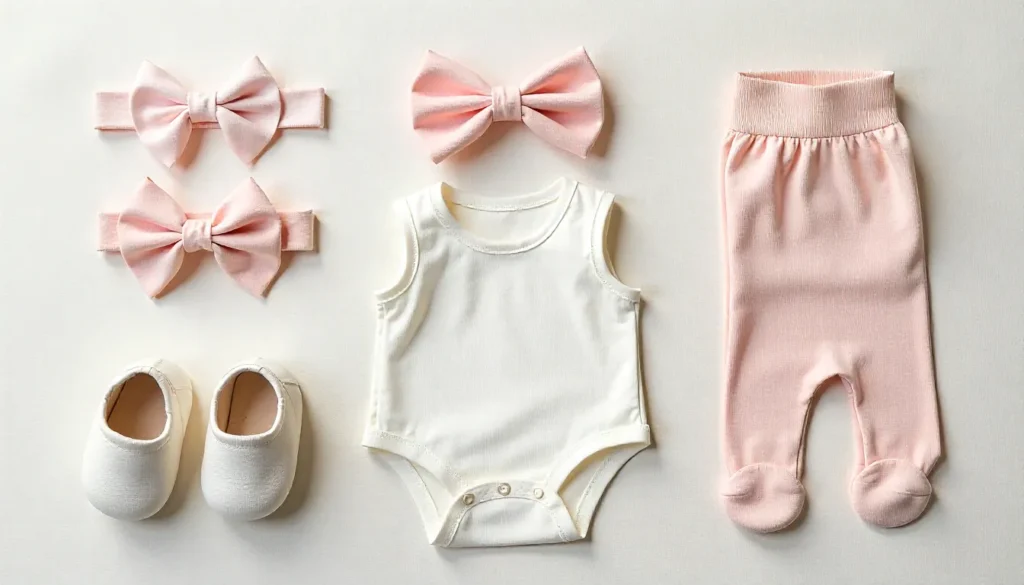
Many parents are becoming more conscious of sustainability. Choosing high-quality pieces that can be reused, resold, or passed down reduces waste and saves money over time.
Neutral colors and classic silhouettes are easier to reuse and adapt across seasons. Buying fewer but better-made outfits often leads to a calmer, more intentional wardrobe.
Conclusion:
The perfect baby girl outfit isn’t about perfection. It’s about comfort, confidence, and care. When your baby feels comfortable, everything else becomes easier—sleep improves, outings feel smoother, and moments feel more joyful.
You don’t need a massive wardrobe or constant trend updates. A thoughtful collection of soft, practical, and beautiful clothes is more than enough. Trust your instincts, prioritize comfort, and remember that your baby’s happiness matters far more than how an outfit looks.
Frequently Asked Questions (FAQs)
How many baby girl outfits are enough per size?
Most families find that 7 to 10 everyday outfits per size are sufficient when laundry is done regularly.
What fabric is best for baby girl clothing?
Organic cotton, bamboo, and muslin are excellent choices because they are breathable, soft, and gentle on sensitive skin.
Is it better to buy baby clothes slightly bigger?
Yes, sizing up is usually safer. Babies grow quickly, and slightly larger clothes are more comfortable and last longer.
Do baby girls need shoes before walking?
No. Soft socks or booties are enough until walking begins. Structured shoes can wait.
Are dresses practical for everyday wear?
They can be, especially when paired with leggings or bloomers. Soft, flexible dresses work best for daily use.
What’s the safest baby girl outfit to gift?
Rompers, two-piece sets, or dresses with bloomers in a larger size are safe and widely appreciated gift options.

Sofia Bennett is a fashion writer and style observer known for her clean sense of aesthetics and trend analysis. She has covered fashion shows, reviewed designer collections, and interviewed independent creators. Sofia specializes in connecting fashion with real-life lifestyle choices, helping readers understand what looks good — and why.